


The Revival of a National Trauma
The 1978 kidnapping and murder of siblings Geeta and Sanjay Chopra—commonly known as the Ranga-Billa case—remains one of the most haunting chapters in Indian criminal history. Nearly five decades later, the release of the Amazon Prime series Raakh, directed by Prosit Roy, has brought this tragedy back into the public eye. While the series aims to dramatize the investigation, it has sparked significant debate regarding the ethical boundaries of ‘true crime’ storytelling.
Narrative Imbalance
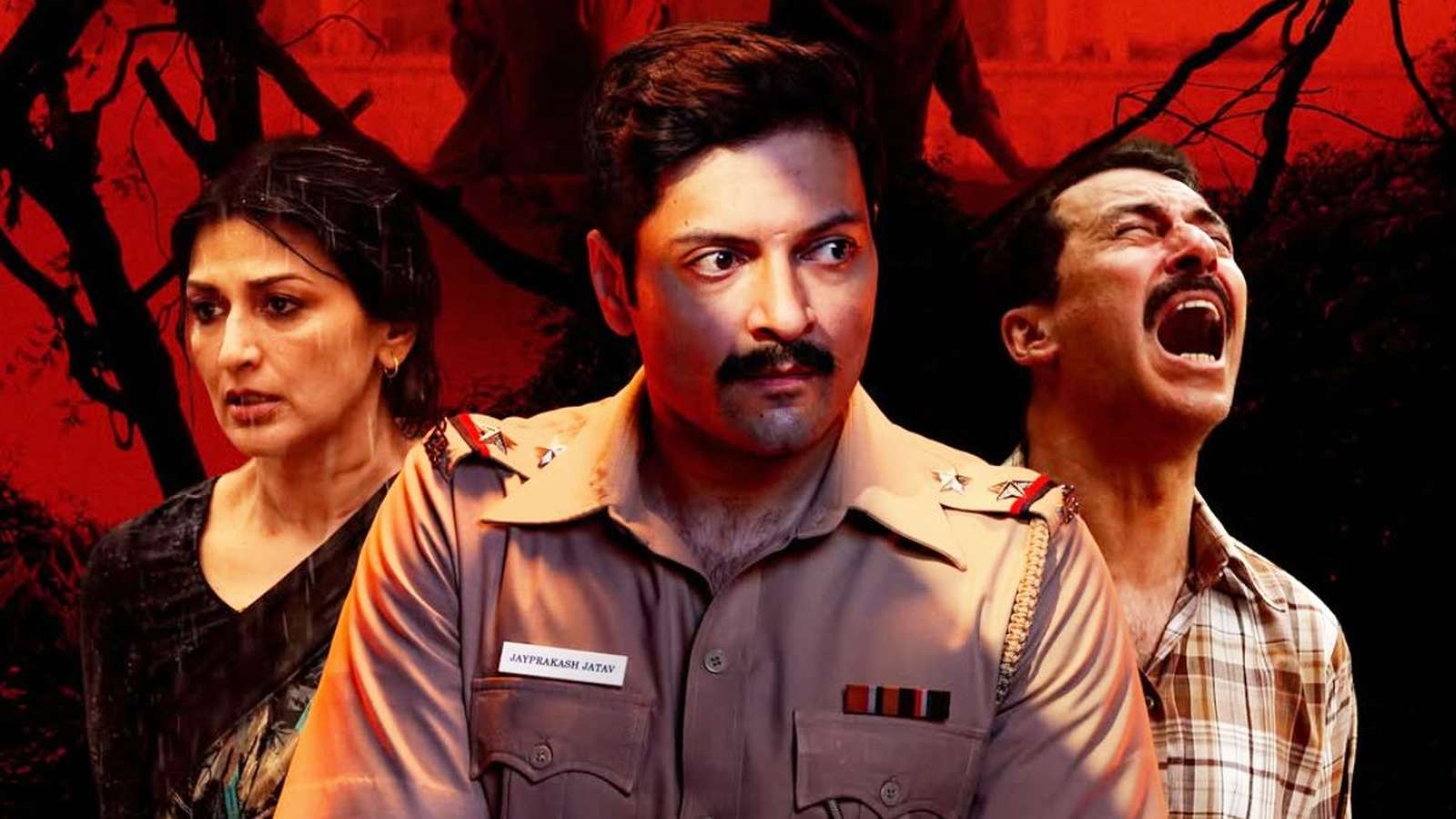
Critics and viewers have noted a stark narrative disparity in the eight-episode series. While the show features performances by Aamir Bashir and Sonali Bendre as the grieving parents, much of the screen time is dedicated to the perpetrators—Kuljeet Singh (Ranga) and Jasbir Singh (Billa)—and a police procedural subplot led by Ali Fazal. According to reviews, including those from BollySpice, the series risks humanizing the sociopathic nature of the killers while marginalizing the profound loss experienced by the Chopra family.
The Stakes of True Crime
The Ranga-Billa case was a watershed moment that altered India’s sense of urban safety. The brutal nature of the crime, which ultimately led to the execution of both men in Tihar Jail in 1982, left a lasting psychological scar on a generation. By choosing to focus on the ‘why’ behind the criminals’ actions, Raakh enters a contentious space. The ethical question remains: does exploring the psyche of heinous offenders provide insight, or does it inadvertently grant them a platform at the expense of the victims’ dignity?
Analysis of the Procedural Choice
Beyond the moral implications, Raakh faces criticism for its procedural pacing. By stretching a singular historical event into eight episodes, the narrative relies on fictionalized subplots—such as a police-journalist romance—that some critics argue dilute the gravity of the actual events. As the industry continues to capitalize on the popularity of the ‘true crime’ genre, Raakh serves as a reminder of the delicate balance required when adapting real-life tragedies that continue to resonate with the public consciousness.