


Quick Read
- ICE detained 30 workers during a factory raid in Kings Mountain, N.C. on Wednesday.
- The raid signals a resurgence of workplace immigration enforcement.
- Detainees face lengthy processes: detention, court hearings, or deportation.
- Immigration attorneys warn Latino communities to stay cautious.
- Advocates emphasize the importance of legal representation and document preparedness.
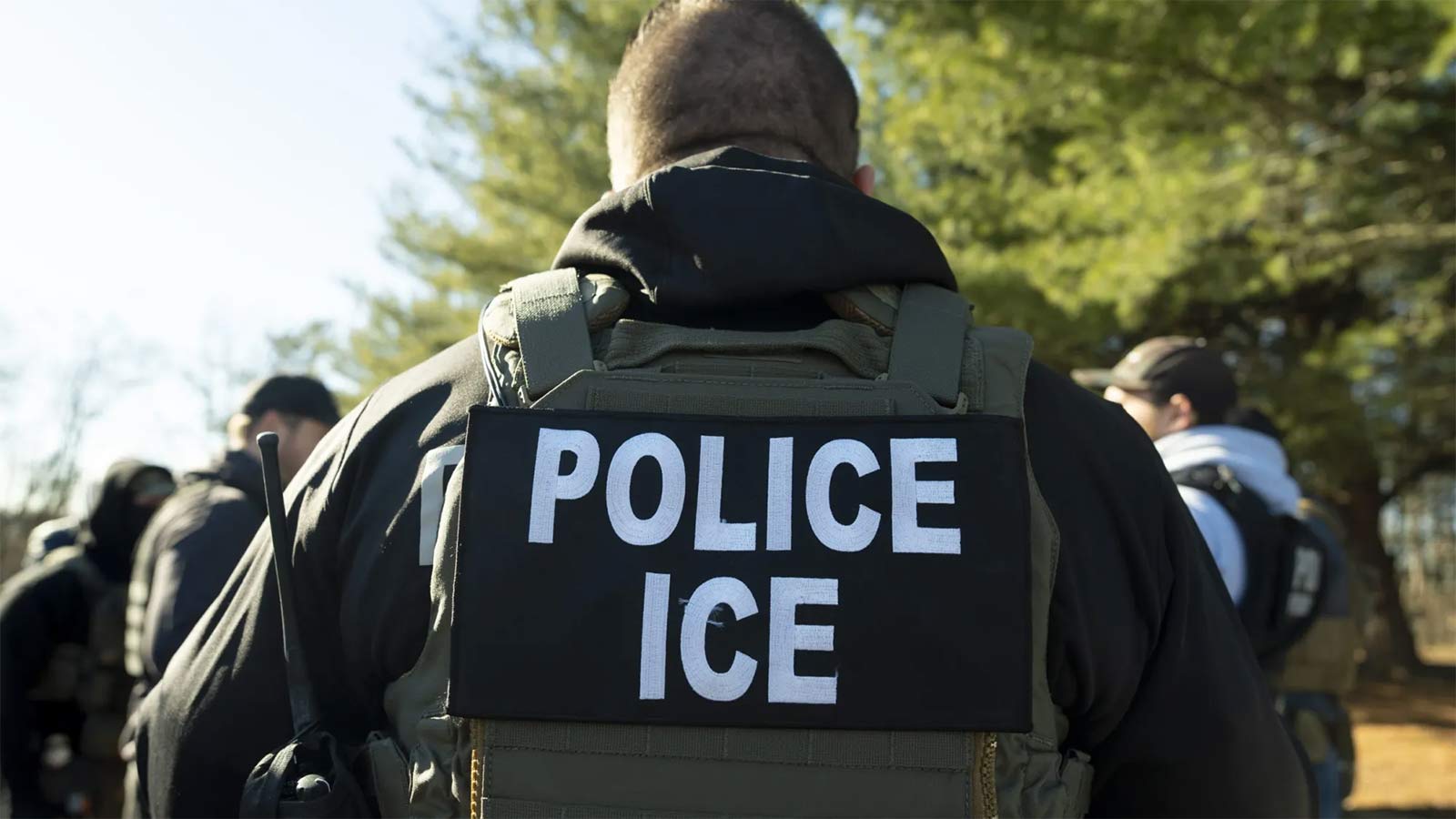
Men in tactical gear, faces masked, and badges gleaming under fluorescent lights. That was the surreal sight that greeted workers at a fire extinguisher plant in Kings Mountain, North Carolina, on a quiet Wednesday morning. By the end of the Immigration and Customs Enforcement (ICE) raid, 30 undocumented immigrants were in custody, their lives thrown into a churn of uncertainty.
A Sudden Turn in Immigration Enforcement
This wasn’t an everyday scene for Buckeye Fire employee Eric Pinon, who described being corralled into a room and questioned. “They put us in a little room for a whole hour,” Pinon told reporters, recalling the methodical checks ICE officers conducted. The agents asked pointed questions like, ‘Are you a U.S. citizen?’ Pinon, who had never experienced such an event, said the atmosphere was one of silent unease.
According to Qcnews, the raid involved personnel from the Department of Homeland Security and the Justice Department, who worked out of makeshift tents set up near the plant. This operation signals a revival of workplace immigration raids, a tactic that had largely fallen out of use in recent administrations.
What Happens After Detention?
For the 30 individuals detained, their journey through the system is just beginning. Immigration attorney Italia Lima, from the Charlotte-based firm Diener Law, explained the procedure to Myfox8. Detainees are typically transferred to a local holding facility, like the Alamance County jail in this case, before being moved to an immigration detention center.
Once in custody, detainees are fingerprinted and their criminal histories are reviewed. Their fate then hangs in the balance: some may be released with court dates, while others face prolonged detention or immediate deportation. Lima pointed out that recent trends show authorities are increasingly unwilling to release detainees without bond, adding another layer of hardship to an already grim process.
Ripple Effects on Families and Communities
The impact of such raids extends far beyond the individuals detained. Families are often left scrambling, unsure of how to navigate the labyrinth of immigration laws. Community advocates and legal professionals emphasize the importance of preparedness. “This is a time to prioritize safety above anything,” Lima told Qcnews, urging individuals to minimize movement and designate someone to contact a lawyer if needed.
She also advised against signing any documents without fully understanding their implications. “You don’t know if you’re signing a deportation order or waiving your rights,” she explained. Legal counsel, though critical, remains an uphill battle for many detainees, as immigration law does not guarantee a court-appointed attorney.
The Broader Context: Economy and Policy
Workplace raids like the one in Kings Mountain have a ripple effect on local economies. Many industries, especially agriculture and manufacturing, rely heavily on immigrant labor. Immigration attorneys like Lima argue that such raids create uncertainty not just for workers, but also for employers and the broader community. “We are really seeing the effects in the economy,” Lima noted, referencing the broader implications of stepped-up enforcement.
As reported by FlaglerLive, this raid is part of a broader surge in ICE activity under current immigration policies. Over 26,000 arrests have been made this year alone, with nearly 67,000 immigrants placed in detention centers. Critics argue these numbers signal a shift in priorities, one that leans heavily on punitive measures rather than comprehensive reform.
Where Do We Go from Here?
The raid at Kings Mountain is not an isolated incident but part of a pattern that raises questions about the balance between law enforcement and human rights. Advocates are calling for a deeper examination of how these policies affect vulnerable populations and local communities. For the families waiting for word on their detained loved ones, the stakes couldn’t be higher.
In the shadows of industrial plants and under the fluorescent glare of makeshift tents, lives are being upended—not by choice, but by policy.