


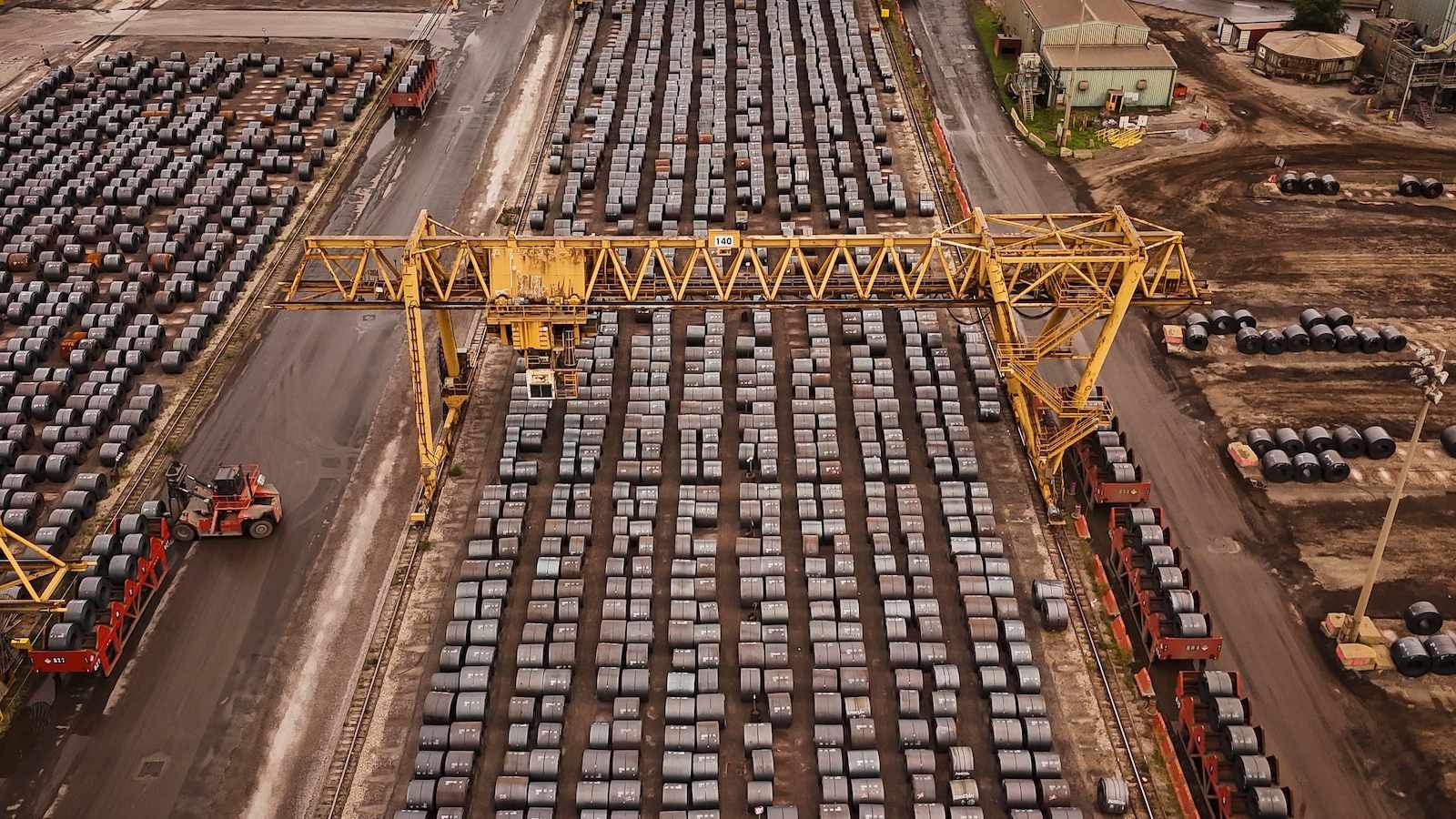
According to an Associated Press report, Trump promised that charging higher taxes on foreign goods would spur a domestic manufacturing renaissance in the United States. However, workers and economists point out that the import levies have disrupted supply chains for companies that rely on overseas parts, leading to layoffs rather than job growth.
Human Cost and Plant Closures in Michigan and Iowa
Nelson Vandermeer, a 62-year-old product designer from Zeeland, Michigan, voted Republican for decades but grew skeptical of Trump’s trade policies. Last year, his premonition materialized when Howard Miller, a century-old clockmaker relying on imported components, closed its factory, sold its inventory, and laid off nearly 200 workers.
“So much for bringing jobs back,” Vandermeer said. He noted that although the company had broadened offerings beyond traditional grandfather clocks to include bar carts and consoles, those items also depended on glass and parts from abroad. “I could still have a job, but now I don’t because of tariffs. It was like taking a knife to the back.”
Vandermeer lives in Michigan’s 4th Congressional District, represented by Republican Rep. Bill Huizenga, who is running for a ninth term in the November 3 election. Huizenga previously defended the administration’s trade approach, telling reporters before the implementation of the broadest tariffs that while the transition might not be easy, it was the right path. A spokesperson for Huizenga stated last week that the congressman sees a role for tariffs in boosting domestic manufacturing while recognizing the necessity of addressing broader economic effects.
Similar disruptions emerged in Iowa. Tracy Chew, a 55-year-old former employee at backhoe manufacturer Case in Burlington, Iowa, lost her job in April after the company announced plans to shutter its plant. Layoffs subsequently affected her daughter, husband, and son-in-law over a span of weeks. Chew, who voted for Trump in 2016 and Democratic candidates in subsequent elections, expressed frustration with the administration’s execution. “I’m furious he isn’t doing enough,” she said. “Tariffs are not targeting the right companies, the right amount.”
Industrial and Economic Ripple Effects Across the Midwest
The economic fallout extends to other regional employers. Winnebago Industries cut 200 jobs last year after import costs for aluminum, steel, and electronics rose by tens of millions of dollars. Michael Happe, the company’s chief executive, described the operational environment as a “day to day battle.”
In Kansas, appliance maker Vornado Air laid off more than 70 factory workers in February, citing higher prices for imported parts. Cole Hoppock, the company’s chief executive, stated that Trump’s tariffs “impacted virtually everything.” Furthermore, Canadian jet manufacturer Bombardier, which employs over 1,000 people in Kansas and purchases parts from 2,800 companies across 47 states, faces potential sales bans if it does not shift all production to the United States.
Meanwhile, the White House maintains that industrial policy is working. Taylor Rogers, a White House spokeswoman, insisted that a factory construction boom is underway, pointing to increased manufacturing output and nonresidential construction activity. “Factory construction jobs of today mean more manufacturing jobs down the road once those factories come online,” she said.
Political Stakes and Electorate Divisions Ahead of November
Polling data indicates broader public skepticism regarding the administration’s trade strategy. A September poll by The Associated Press-NORC Center for Public Affairs Research showed that roughly 3 in 10 U.S. adults approve of Trump’s handling of trade negotiations, down from 4 in 10 in March. The Supreme Court also ruled against the administration’s emergency declaration for the initial rollout of tariffs in February, contributing to ongoing trade uncertainty.
Despite the friction, political analysts note that tariffs alone may not automatically translate into Democratic victories. Ernie Goss, an economist at Creighton University in Nebraska, suggested that some voters continue to believe that trade barriers will yield long-term benefits. In Pennsylvania, union leader Wendell Young of United Food and Commercial Workers Local 1776 observed mixed reactions among workers experiencing layoffs at Post Holdings and Trivium Packaging, noting that some staunch party supporters remain loyal despite economic pressures.
As voters prepare to cast ballots, the tension between long-term protectionist goals and immediate operational costs remains a central dynamic in competitive congressional races across Michigan, Kansas, Iowa, and Ohio.