


The Shifting Understanding of Weight in Aging
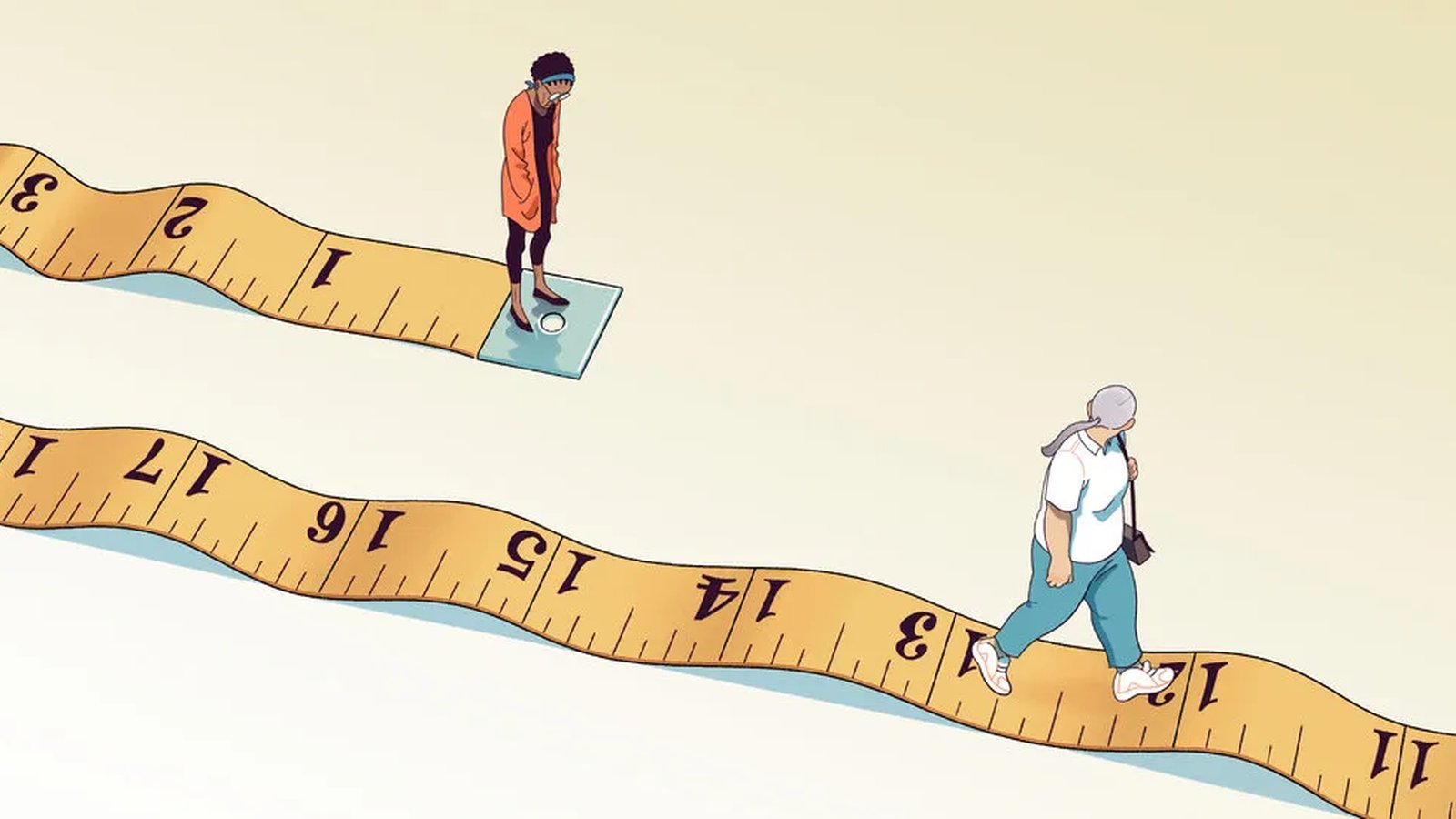
Research published on November 14, 2026, has provided fresh evidence that the conventional medical understanding of body weight may not apply equally to all age groups. While public health messaging has long emphasized the dangers of being overweight, data indicates that for individuals over the age of 65, a Body Mass Index (BMI) slightly above the “normal” range may actually be linked to improved survival outcomes, a phenomenon often described by experts as the “obesity paradox.”
Bryan Blissmer, a health researcher at the University of Rhode Island and co-author of a study published in the Journal of the American Geriatrics Society, reported that once people pass the age of 65, maintaining a higher BMI is frequently associated with greater longevity. According to SSB Crack, the study, which tracked approximately 6,900 individuals over 14 years, found that men classified as overweight or in lower obesity categories were about 50 percent less likely to die during the study period compared to those with a normal BMI. Among women, the association was also notable, with a 27 percent lower mortality rate observed in the overweight group.
Clinical Context and the Limitations of BMI
Despite these findings, medical professionals caution against interpreting the results as a license to disregard healthy habits. BMI, which is calculated based strictly on height and weight, does not distinguish between muscle mass, bone density, or the distribution of body fat. Sei Lee, a geriatrician at the University of California, San Francisco, noted that BMI provides only a limited picture of a patient’s overall health, as it fails to account for where fat is stored.
The location of fat is a critical factor in determining health risks. Research highlighted by the New York Times indicates that abdominal fat—often measured via waist circumference—remains strongly linked to inflammation, insulin resistance, and an increased risk of Type 2 diabetes. In the University of Rhode Island study, participants with waist measurements exceeding 40 inches for men and 35 inches for women faced higher mortality risks, regardless of their BMI score.
Why the Paradox Exists
Researchers have proposed several theories to explain why extra weight might be protective for older adults. One leading hypothesis is that excess body weight provides essential nutritional reserves, which can help older individuals better withstand the physiological stress of serious illnesses or medical procedures. Another explanation relates to survivorship: individuals who were more susceptible to obesity-related complications may have passed away at younger ages, leaving a population of older adults who are naturally more resilient to the effects of excess weight.
However, the protective effect is not universal. Studies consistently show that extreme obesity—defined as a BMI above 40—continues to pose significant health risks. Conversely, being underweight (a BMI below 18.5) is often identified as the greatest weight-related risk for the elderly, as it may signal frailty or the presence of underlying chronic diseases.
Practical Guidance for Older Adults
For many, the findings provide a sense of relief from the persistent pressure to maintain a youthful physique. Glenna Ganster, a 72-year-old resident of Tucson, shared that learning about the survival advantage of being slightly overweight helped alleviate concerns about her own BMI of 25.7. Her physician has discouraged her from pursuing weight-loss medications, confirming that her current size is not a health detriment.
Experts emphasize that the focus for older adults should remain on quality of life, physical activity, and balanced nutrition rather than strict adherence to standardized BMI charts. The Lancet Commission has recommended that clinicians use comprehensive measures, such as waist circumference, in conjunction with BMI to get a more accurate assessment of a patient’s health. As researchers continue to study the relationship between weight and quality of life, the primary takeaway for patients is to consult with their doctors to determine what is healthy for their specific physiological profile rather than relying on outdated or overly generalized metrics.