


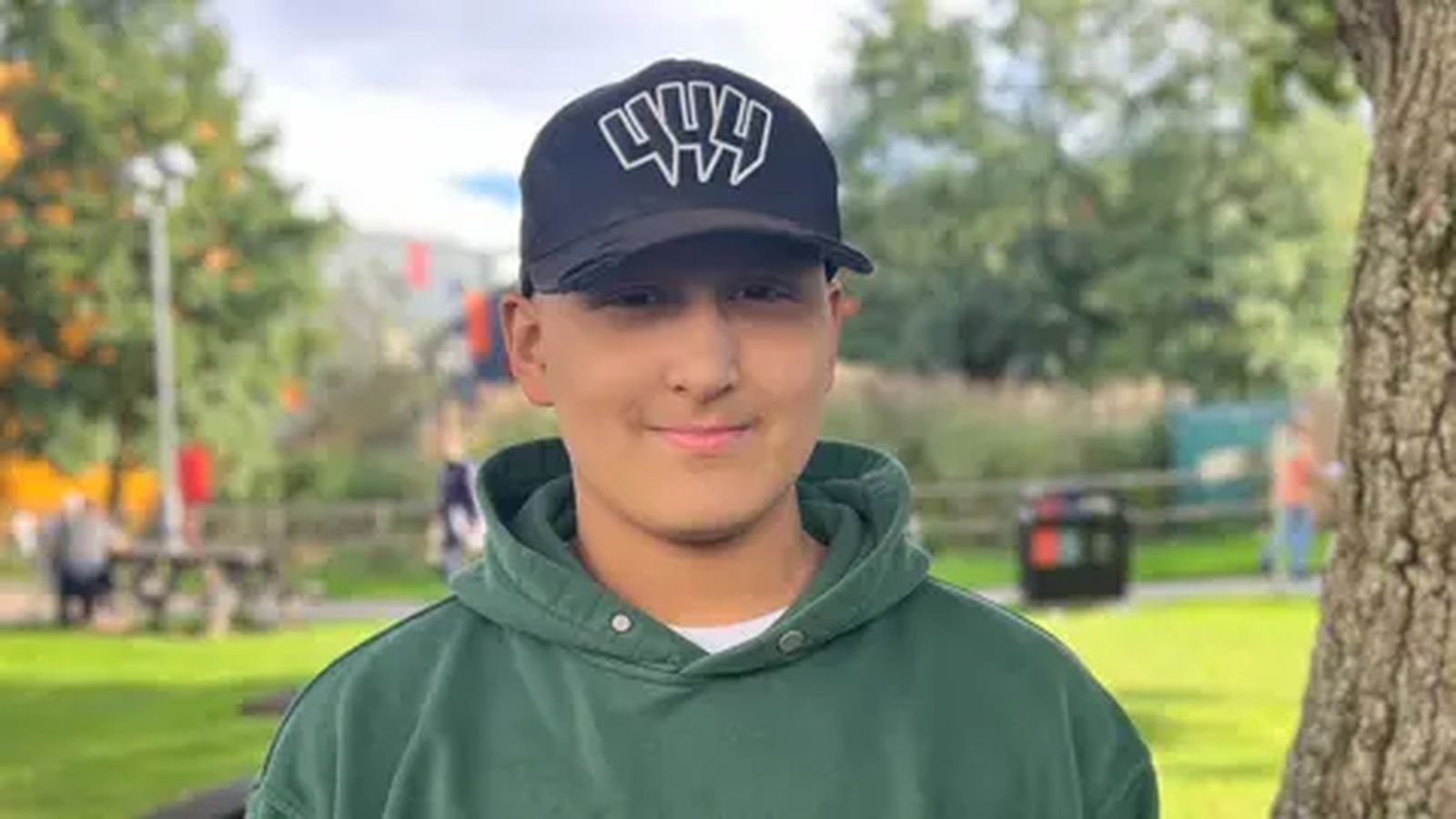
A Relapse Just Weeks After Celebration
Fourteen-year-old Ethan Griffiths from Maesteg has returned home cancer-free in September following an intensive clinical trial at Bristol Royal Hospital for Children, as reported by BBC. The sports and gaming-enthused teenager was initially diagnosed with stage-three Burkitt lymphoma—a fast-growing type of non-Hodgkin lymphoma—in January 2025. After enduring months of chemotherapy, he rang the bell at Noah’s Ark Children’s Hospital in May to celebrate being declared cancer-free. He enjoyed a brief two-week window of normality, returning to school part-time and visiting the gym, before experiencing severe stomach pain and a distended abdomen caused by fluid build-up on his lungs.
Medical tests revealed that the aggressive cancer had returned just two weeks after he came home from initial treatment. According to BBC reporting, his father, Lloyd Griffiths, described the frantic drive back to the hospital as horrendous. The sudden recurrence plunged the family into immeasurable stress, forcing them to seek alternative interventions as standard post-remission monitoring gave way to a new medical crisis.
Joining a UK-Wide Clinical Trial in Bristol
Faced with an aggressive relapse, Ethan was accepted onto a UK-wide clinical trial operating across Bristol, Birmingham, and Manchester. The specialized trial evaluates two newly developed targeted drugs administered alongside modified chemotherapy specifically for children and young people with B-cell non-Hodgkin lymphoma that has either relapsed or failed to respond to initial therapies. Doctors informed the family that the experimental protocol carried roughly a 50% chance of success.
Ethan underwent intensive chemotherapy paired with the trial drugs, followed by a stem-cell transplant utilizing cells harvested earlier in his treatment process. This demanding regimen required him to spend several weeks confined to protective isolation in the hospital. Reflecting on the period, Ethan noted that while knowing what to expect made parts of the physical process familiar, the mental toll of wondering when the ordeal would end proved considerably heavier.
Coping Strategies and Family Resilience
Throughout the grueling nine-month ordeal, Ethan adopted a stoic approach, often tuning out the stress by listening to music through his earphones and trying to sleep. His father Lloyd, a 56-year-old project manager who is himself a cancer survivor, encouraged his son to view himself as a passenger on the journey who could not control the ultimate outcome, advising him to detach from the illness mentally. Lloyd noted that his son managed to detach himself almost entirely, an attitude he found deeply inspiring.
Community support played a vital role during the crisis, with Bridgend Athletic RFC establishing a fundraiser to assist the family while Ethan’s mother, Rusanne, and his older sisters stayed in nearby hospital accommodation.
The Road to Recovery
Now back home in Maesteg as of September, Ethan is navigating a gradual recovery process. He reports still experiencing significant fatigue during simple tasks like walking and acknowledges that returning to rugby will require sustained physical rehabilitation. His immediate focus is on rebuilding his strength slowly and catching up on schoolwork through online lessons before eventually transitioning back to part-time classroom attendance.
Clinical Context and Evaluation Protocols
The UK-wide trial operating across Bristol, Birmingham, and Manchester specifically targets pediatric and young adult patients facing B-cell non-Hodgkin lymphoma relapses. Because aggressive malignancies like Burkitt lymphoma can rapidly develop resistance to standard frontline chemotherapy regimens, specialized protocols combining targeted therapeutics with adapted conditioning regimens represent a critical avenue for patients who have exhausted traditional lines of care. Medical oncologists designed these trials to evaluate whether novel biological agents can enhance disease-free survival rates without exacerbating long-term toxicities in younger cohorts.
For Ethan and his family, navigating this complex therapeutic landscape meant weighing statistical probabilities against the immediate necessity of intervention. With clinical staff outlining a success probability estimated at approximately fifty percent, the decision to enter the trial underscored the high-stakes environment surrounding relapsed pediatric hematological malignancies. The integration of autologous stem-cell transplantation further compounded the physiological burden, requiring rigorous inpatient management and specialized infection-control protocols during his weeks in protective isolation.
Broader Implications for Pediatric Oncology Trials
The successful outcome in Ethan’s case highlights the indispensable role that multi-center clinical trials play in advancing pediatric cancer care across the United Kingdom. Specialized pediatric hubs such as Bristol Royal Hospital for Children coordinate closely with national networks to provide patients access to innovative compounds that are otherwise unavailable outside of formal clinical investigation. These studies not only offer immediate life-saving interventions for individuals facing dire prognoses but also generate essential empirical data that helps refine future treatment algorithms for refractory and relapsing B-cell lymphomas.
Furthermore, the logistical and emotional demands documented throughout Ethan’s treatment underscore the profound impact that such diagnoses exert on family units. The necessity of maintaining extended hospital stays, supported by localized family accommodation and community-led fundraising initiatives like those organized by Bridgend Athletic RFC, illustrates the vital synergy between institutional medical care and broader social support networks. As Ethan continues his slow transition back toward academic and athletic normalcy, his case remains a prominent example of resilience within modern clinical oncology.