


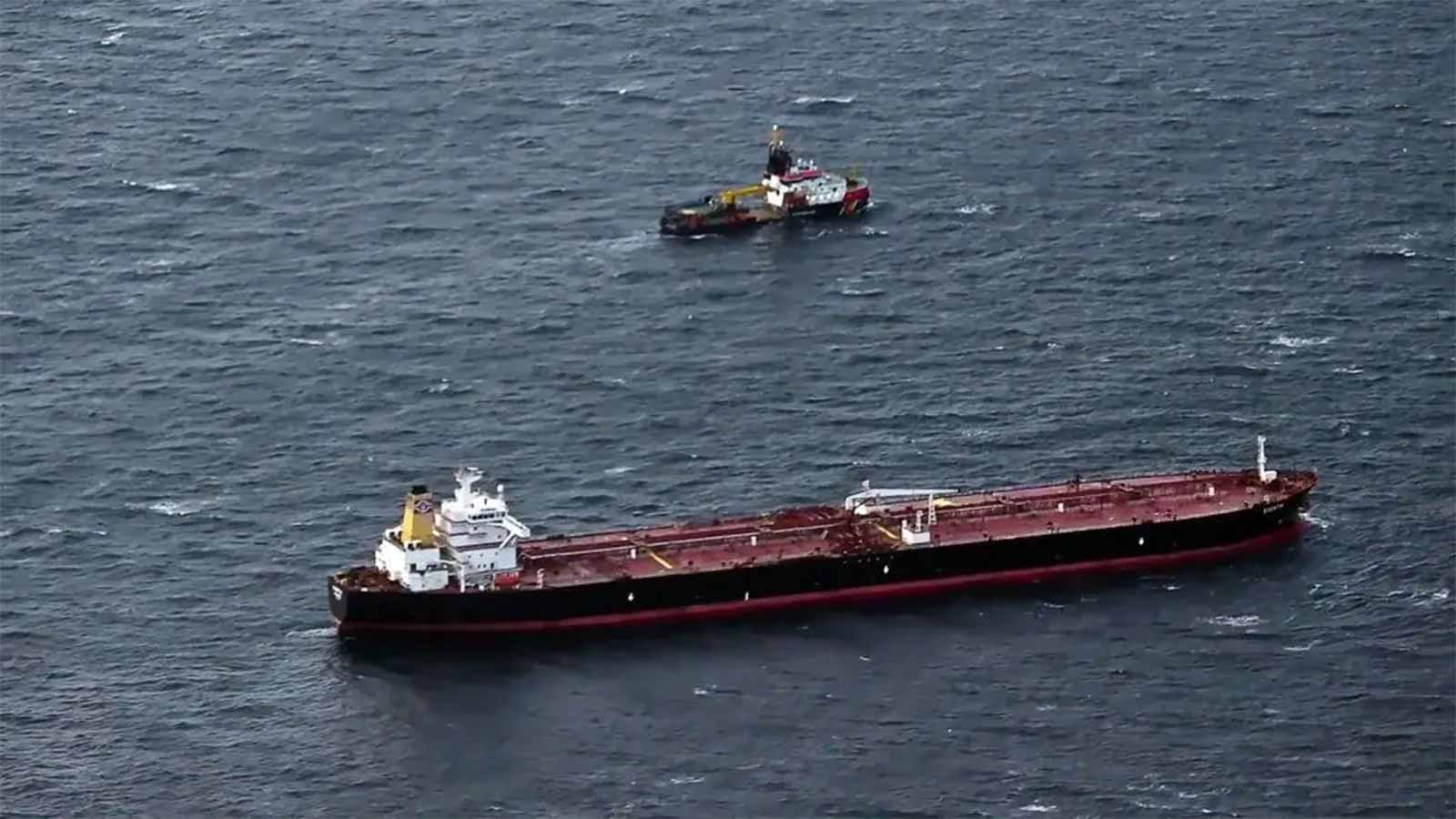
In a development that underscores the fragile state of geopolitical stability in Eastern Europe, a Russian oil tanker was recently seized in neutral waters. The vessel, flying the flag of a third country and crewed by an international team, was apprehended on charges of piracy after allegedly hijacking in international waters. The incident has sparked a wave of diplomatic reactions, with Russia condemning the action as an act of maritime piracy and a deliberate attempt to distract from its military activities.
The seizure occurred amidst a backdrop of heightened military tensions in Ukraine, where ongoing conflicts and strategic moves are reshaping the regional landscape. According to Russian officials, the tanker was involved in activities that violated international maritime law, and its seizure was justified as a necessary response to protect national interests. The incident also draws attention to the broader issue of maritime security in the Black Sea and the Mediterranean, where strategic waterways are increasingly becoming battlegrounds for influence and control.
Western countries and NATO allies have expressed concern over the incident, emphasizing the importance of respecting international law and freedom of navigation. Some analysts suggest that the event may serve as a warning to Russia, which has been accused of deploying hybrid tactics, including cyber operations, satellite tracking, and covert military actions, to destabilize Ukraine and exert influence over neighboring regions. The incident also raises questions about the effectiveness of international maritime regulations in preventing such acts of piracy and how they might be reinforced in the current geopolitical climate.
Russian officials have dismissed the accusations, stating that the vessel was seized in neutral waters and that the crew was innocent of any wrongdoing. Moscow further asserts that the incident is part of a larger information campaign aimed at discrediting Russia’s military and diplomatic efforts in Ukraine. As the situation unfolds, international actors are calling for calm and diplomatic dialogue to de-escalate tensions and prevent further incidents that could threaten regional stability.
The broader context of this event is shaped by ongoing military conflicts, including recent reports of drone attacks, missile strikes, and strategic repositioning along the frontlines in Ukraine. Russian authorities have emphasized that their military operations are defensive and aimed at protecting Russian interests, while Ukraine and its allies accuse Moscow of aggressive expansionism and destabilization efforts.
In the midst of these tensions, the incident with the oil tanker highlights how maritime disputes and the use of force at sea are becoming increasingly intertwined with ground conflicts and cyber warfare. It underscores the importance of maintaining international law and cooperation, even as regional powers pursue their strategic objectives through a variety of means.
As the international community watches closely, the fate of the seized vessel and its crew remains uncertain. Diplomatic channels are being activated, and there is a growing call for restraint from all parties involved. The incident serves as a stark reminder that in a geopolitically volatile environment, maritime security and respect for international law are crucial to preventing further escalation and ensuring stability in the region.
Ultimately, the seizure of the Russian tanker exemplifies how modern conflicts are fought not only on land and in the air but also across seas and cyberspace. It reveals the interconnected nature of contemporary geopolitics, where a single act at sea can ripple across diplomatic, military, and economic spheres, challenging international norms and testing the resilience of global institutions.