


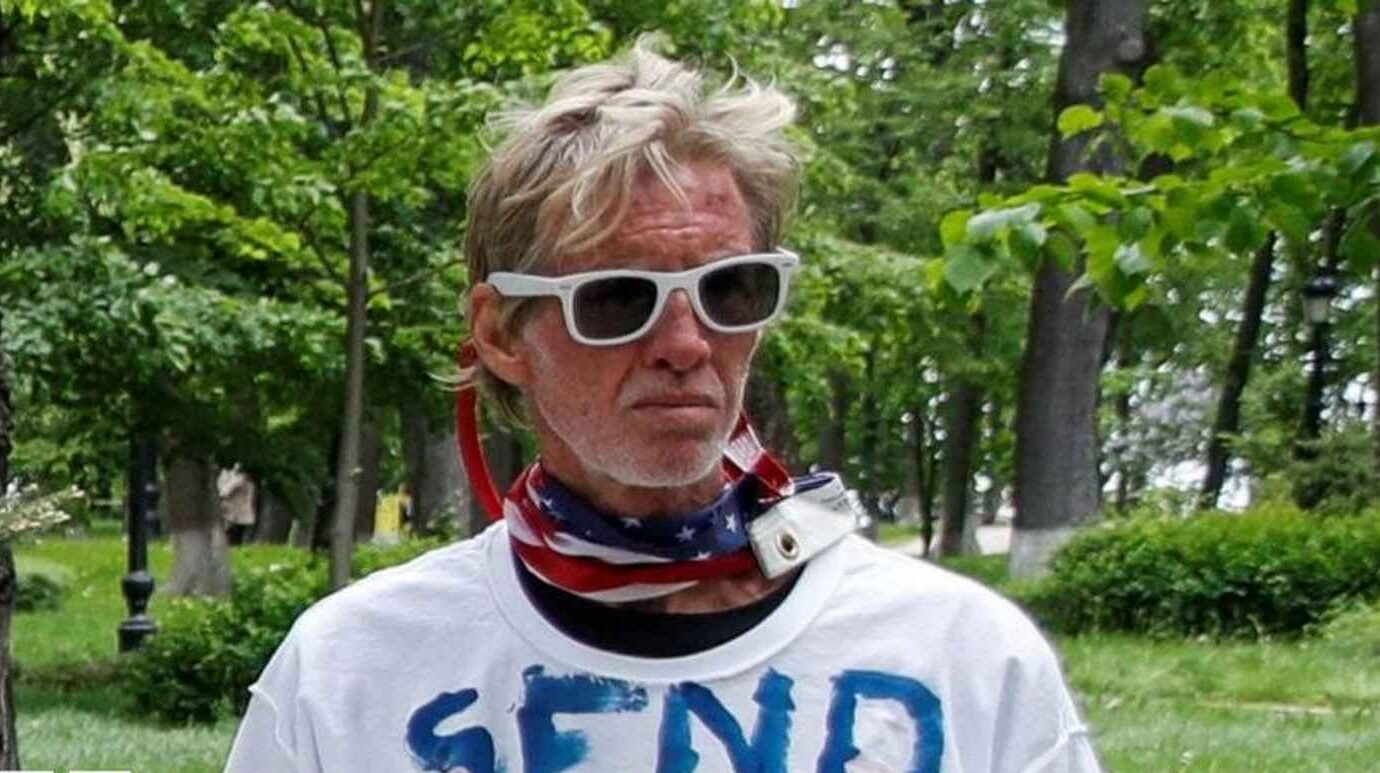
Ryan Routh’s Guilty Verdict Marks a Stark Moment in America’s Political Landscape
It began as a sunny day on the manicured greens of Trump International Golf Club in West Palm Beach, Florida, but it ended with a courtroom drama that sent shockwaves far beyond the fairways. On September 23, 2025, Ryan Routh—a 59-year-old former Trump supporter, ex-Hawaii resident, and father of three—was found guilty on all counts for attempting to assassinate Donald Trump last year during one of the most closely watched political campaigns in recent memory.
The Plot Unfolds: Meticulous Preparation and a Narrow Escape
According to federal prosecutors, Routh’s plan was anything but impulsive. In the weeks leading up to September 15, 2024, Routh constructed a makeshift “sniper’s nest” in the dense shrubbery near the sixth green of Trump’s golf course. FBI Special Agent Kimberly McGreevy detailed how investigators pieced together Routh’s movements using call logs, text messages, bank records, and surveillance footage. Cellphone records from multiple burner phones showed Routh in the vicinity for hours at a time, scoping out Trump’s schedule and even searching for “Trump’s upcoming rallies” and “Palm Beach traffic cameras.”
His digital footprint also revealed a calculated getaway plan—Google searches for flights to Mexico, directions to the Miami airport, and instructions on “how to make a tourniquet.” Just before the alleged attempt, Routh sent heartfelt texts to his children, suggesting a man preparing for a final act. The prosecution argued that these details, combined with the arsenal found at the scene—a semiautomatic rifle with a scope and extended magazine—painted a picture of obsessive intent.
Courtroom Drama: Self-Representation and Emotional Turmoil
Routh’s decision to represent himself added layers of unpredictability to an already volatile trial. Throughout the two-week proceedings at the federal courthouse in Fort Pierce, Judge Aileen Cannon repeatedly admonished him for straying into irrelevant territory—from references to historical figures and global events to bizarre requests, such as access to a putting green and challenging Trump to a game of golf. The judge’s patience was tested as Routh attempted to steer the narrative away from evidence and toward philosophical musings on the “common man.”
After closing arguments—where Routh claimed, “If the attempted assassination was not taken, it is not an attempt”—the verdict arrived swiftly. Jurors took less than three hours to convict him on all five charges: attempted assassination of a major presidential candidate, assaulting a federal officer, possession of a firearm and ammunition as a felon, and possession of a firearm with an obliterated serial number. As the verdict was read, chaos erupted. Routh tried to stab himself in the neck with a pen, prompting marshals and bailiffs to intervene. His daughter, Sarah, screamed, “Dad, don’t hurt yourself,” while his son Adam called out, “We love you dad,” as Routh was led away in handcuffs, offering a wink to his children—a haunting image of a family fractured by violence.
The Evidence: Witnesses, Motive, and Missed Shots
Over the course of the trial, federal prosecutors presented a mountain of evidence. Thirty-eight witnesses testified, including eyewitness Tommy McGee, who spotted Routh fleeing the scene and helped authorities track down his black Nissan Xterra. Secret Service agents described discovering Routh with a rifle barrel poking out of the bushes, ready to fire as Trump played his round. Although Routh never fired a shot, the jury was shown notes he left—one addressed “To the World,” stating plainly, “This was an assassination attempt on Donald Trump.”
Routh’s defense, limited to three witnesses—including two friends and a former Marine sniper—argued that the SKS rifle found at the scene jammed after firing only one shot, implying technical ineptitude rather than murderous intent. Prosecutors challenged this narrative, emphasizing that intent does not require completion: “Nobody has to be shot,” said prosecutor John Shipley, echoing the legal standard for attempted crimes.
The defendant’s children were left grappling with the fallout. Sarah Routh told CNN, “I feel like he really didn’t have another choice. After seeing how rigged it is, why would he put himself in that position, you know, that would be stupid. It’s obviously all rigged and it’s all bullsh*t.”
Political Violence and a Nation on Edge
The Routh verdict arrives in the shadow of another attempt on Trump’s life earlier that year in Pennsylvania, and against a backdrop of rising anxieties about political violence in the United States. Attorney General Pam Bondi underscored the gravity of the case, declaring, “This attempted assassination was not only an attack on our President, but an affront to our very nation itself.” Trump, for his part, celebrated the conviction on social media, praising law enforcement and calling Routh “an evil man with an evil intention.”
Judge Cannon, herself appointed by Trump, presided over proceedings marked by tension and unpredictability. Routh’s clashes with his court-appointed attorneys, his insistence on self-representation, and his courtroom theatrics all contributed to an atmosphere fraught with uncertainty. Yet, the facts laid bare a chilling reality: meticulous planning, emotional farewells, and a narrowly averted tragedy.
Routh will be sentenced on December 18, facing the prospect of life in federal prison. His case serves as a stark reminder of the volatility that can accompany political fervor, and the thin line between dissent and violence.
As the echoes of this trial reverberate, one truth becomes clear: the Routh case is not just about one man’s descent but a reflection of an American moment where political passions threaten to spill into deadly conflict. The verdict stands not only as justice served but as a sobering call for vigilance against the corrosive effects of polarization and extremism.