


NAIROBI (Azat TV) – The World Rally Championship (WRC) Safari Rally Kenya has been hit by significant disruptions as extreme weather conditions forced organizers to cancel the third stage of the prestigious event. Heavy overnight rain transformed the route into a hazardous mud bath, rendering sections of the course inaccessible to essential medical and technical intervention vehicles.
Weather Impacts on Safari Rally Kenya Performance
The decision to cancel the 24.35km Camp Moran stage followed a deteriorating trend in road conditions, which the FIA confirmed in an official statement. The severity of the rutting and water accumulation made safe competition impossible, marking a stark contrast to the initial stages of the rally. Despite these challenges, Toyota’s Oliver Solberg established a commanding lead early in the event, showing remarkable resilience in conditions that left rivals, including reigning world champion Sebastien Ogier and the Hyundai team, struggling with visibility and grip.
Operational Challenges and Driver Safety
The Safari Rally is renowned for its unforgiving terrain, but the current weather cycle has pushed teams to their limits. While the competition remains intense, the focus has shifted toward navigating the logistics of a shortened program. The rally is expected to resume with the Loldia stage, as teams attempt to recover from the chaos caused by the unpredictable climate. The cancellation highlights the inherent risks of the Safari format, where even minor changes in weather can fundamentally alter the safety profile of the route.
The Dual Nature of the Safari Experience
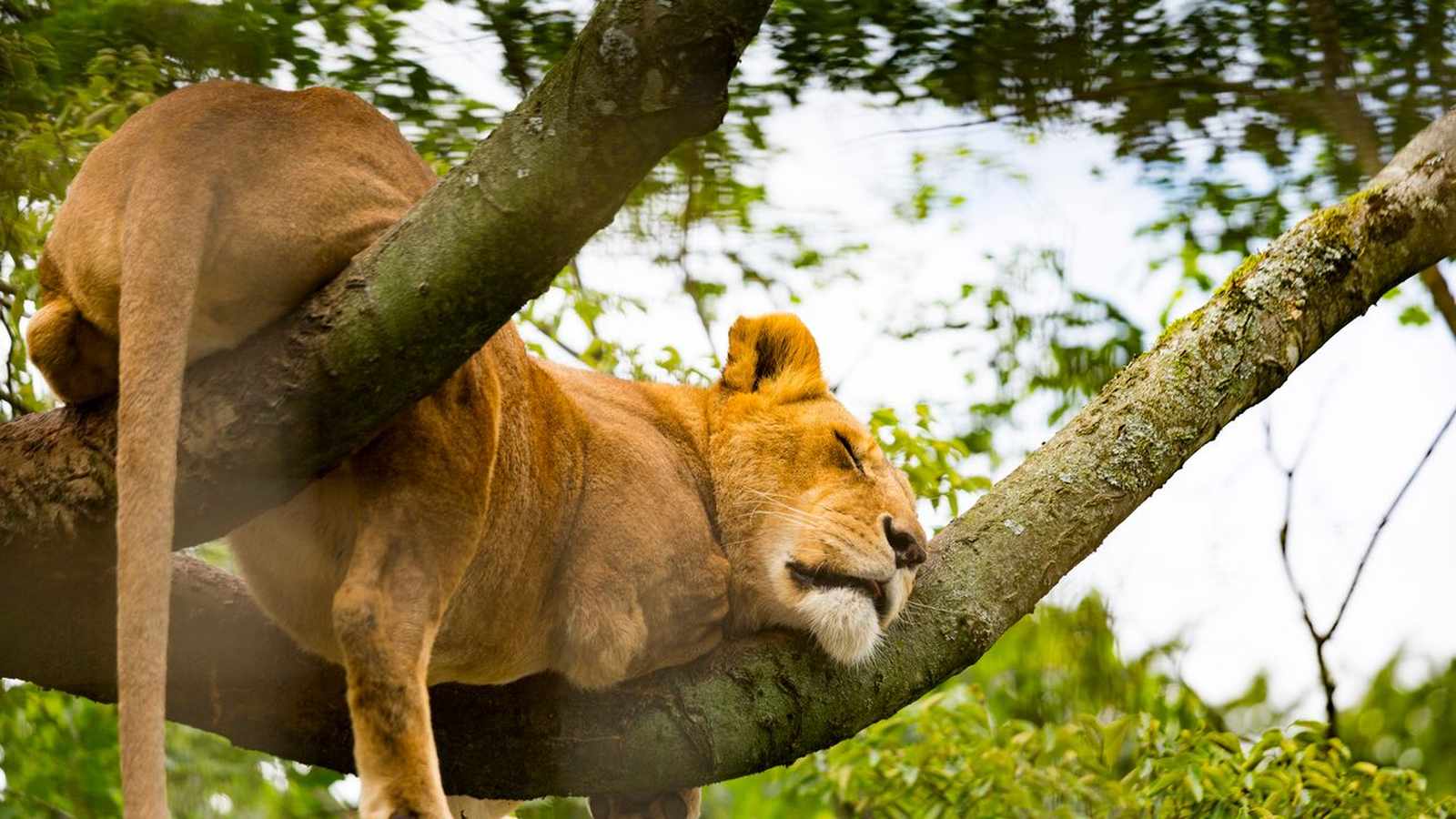
While the rally faces high-stakes pressure, the broader concept of the “safari” continues to serve as a unique environment for human recovery. Recent reports from South African wildlife reserves suggest that the natural rhythms of the bush—characterized by silence, fresh air, and predictable routines—provide a powerful, if unintentional, remedy for modern sleep issues. Experts note that the feeling of safety provided by professional guides, coupled with a lack of artificial light, can help reset circadian rhythms. This starkly contrasts with the high-adrenaline environment of the WRC, yet both demonstrate how profoundly the safari landscape influences human behavior, whether through the exhaustion of extreme sport or the restorative calm of the wilderness.
The disruption of the Safari Rally Kenya serves as a reminder that even in highly controlled motorsport environments, the unpredictability of the natural landscape remains the ultimate arbiter of success, mirroring the way nature forces a recalibration of human pace in both competitive and restorative contexts.