


Polling Stations Open Across Serbia in High-Stakes Vote
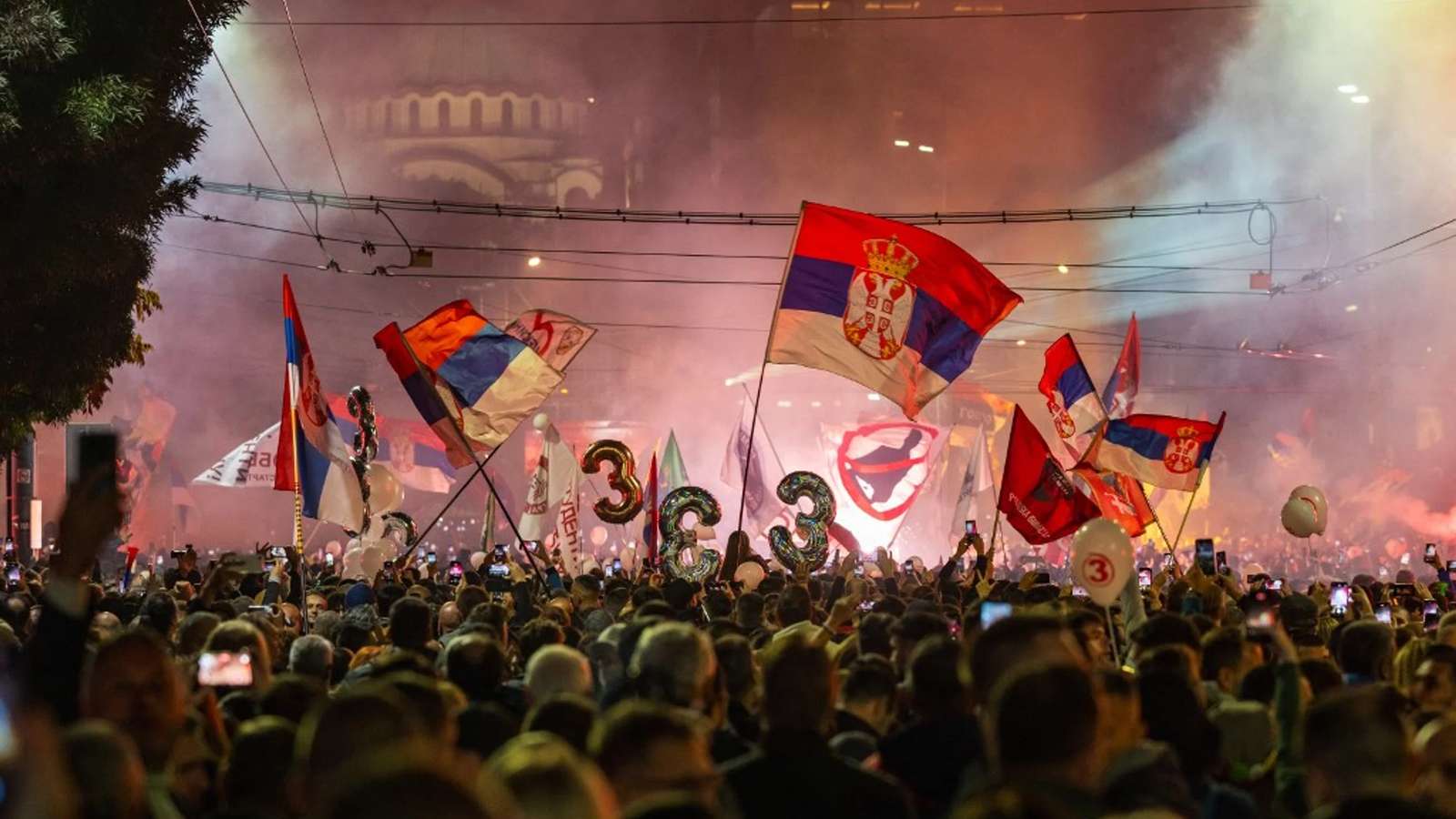
Serbians began casting ballots on Sunday, October 25, 2026, in snap parliamentary elections that represent the most severe political challenge to longtime leader Aleksandar Vučić in more than a decade. Al Jazeera reported that voters formed unusually long lines at polling stations in Belgrade and Novi Sad before voting commenced at 7 a.m. local time. The election was called by Vučić in September following nearly two years of mass demonstrations organized by students demanding accountability, transparency, and institutional reform.
The current political crisis was ignited by the tragic deaths of 16 people in 2024 when a concrete canopy collapsed at the railway station in Novi Sad. The disaster galvanized widespread public anger, with protesters blaming government corruption and systemic negligence for the tragedy. In the aftermath, the student-led movement expanded into a broad coalition incorporating university professors, actors, and farmers, challenging the dominance of Vučić and his ruling Serbian Progressive Party (SNS).
Incumbent Strength Versus Anticorruption Agenda
Vučić, who stepped down as president in September to run as prime minister, remains a formidable incumbent. Reporting by the Kyiv Post notes that many voters credit him with steering Serbia away from economic stagnation through sustained modernization efforts, including new infrastructure, schools, and hospitals. During the intense campaign, Vučić promised increased pensions, higher public sector wages, healthcare investment, and financial subsidies for young families.
On the international front, Vučić has maintained a delicate diplomatic balance, cultivating ties with China and securing natural gas from Russia while keeping Serbia’s formal bid for European Union membership open. However, relations with Brussels have deteriorated significantly. EU officials have repeatedly criticized Belgrade over delayed judicial reforms, rule-of-law deficiencies, and persistent corruption. Additionally, a Council of Europe delegation warned this month of aggressive rhetoric directed against political opponents.
The Student List Strategy and Electoral Outlook
The opposition campaign, spearheaded by cardiologist Ilija Srdanovic and running under the banner of the Student List, has focused strictly on domestic governance. The movement’s 250 candidates have emphasized dismantling corruption and reforming education while deliberately remaining ambiguous on complex foreign policy questions such as EU accession and relations with Kosovo. Jelena Vasiljevic, a senior research associate at the University of Belgrade, observed that the political dynamic has shifted from the ground up, mobilizing youth groups that were historically politically disengaged.
Opinion polls have indicated a remarkably tight race. An Ipsos survey published prior to the vote projected the SNS leading with 47 percent of the vote compared to 40 percent for the student-backed coalition, though other surveys placed the opposition ahead. Turnout is widely viewed as the decisive factor, with the opposition needing to mobilize undecided voters and habitual nonvoters to overcome the disciplined clientelist network of the ruling party. Polling stations are scheduled to close at 8 p.m. local time, with initial verified results anticipated approximately two hours later.