


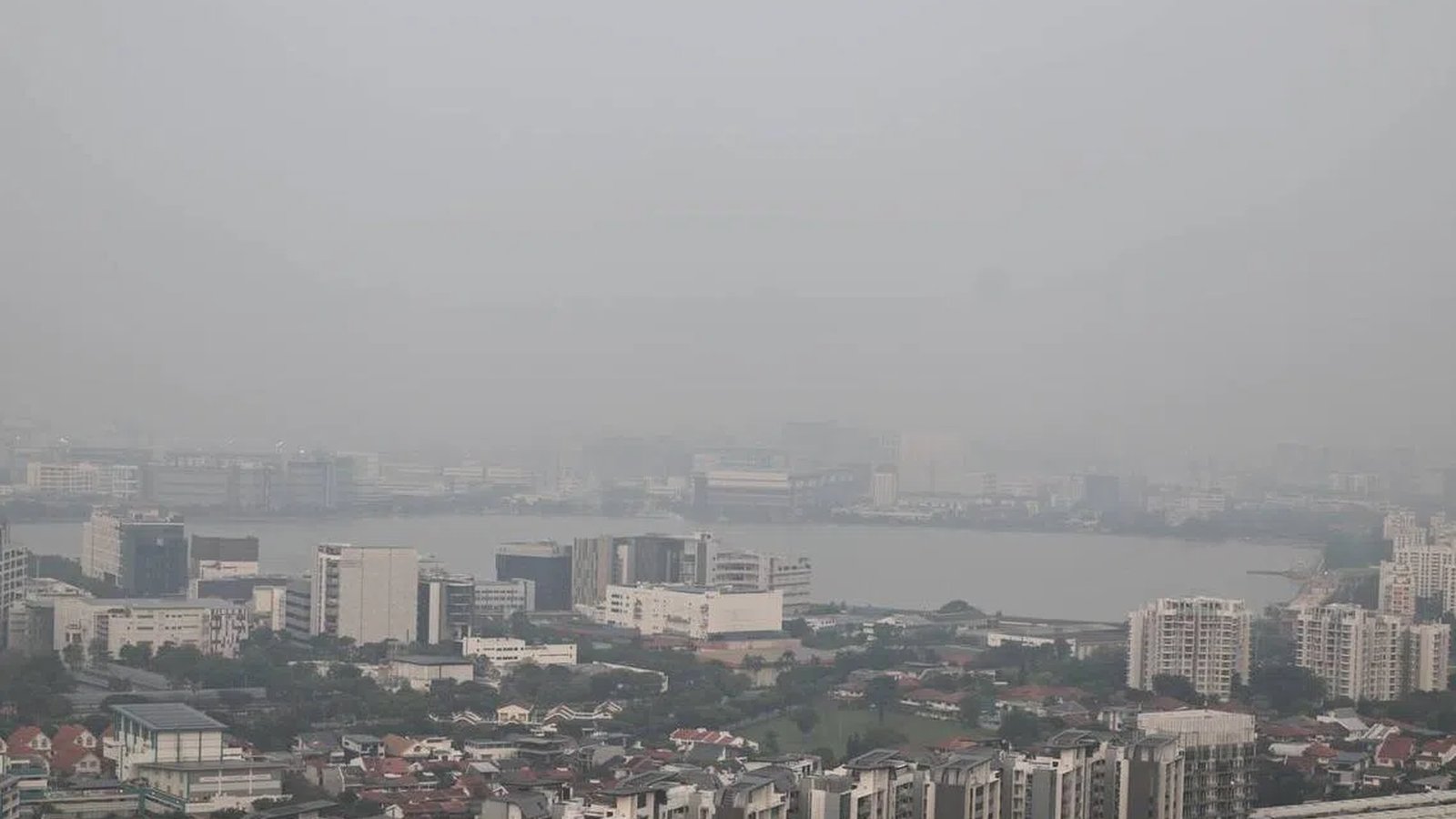
Air Quality Declines Across Singapore
Air quality across Singapore has deteriorated significantly, with the National Environment Agency (NEA) reporting that the 24-hour Pollutant Standards Index (PSI) remained in the unhealthy range for most of the island as of Tuesday morning, Oct 6. By 9am, readings in central (128), western (114), eastern (113), and northern (107) Singapore all exceeded the 101 threshold, which marks the start of the unhealthy category. Only the southern region recorded a reading of 96, placing it in the moderate range.
The current situation marks a continuation of a downward trend that intensified on Monday evening, when all five regions of the country simultaneously recorded unhealthy PSI levels by 9pm. The central region has been particularly affected, recording a peak PSI of 136 at midnight on Oct 4 and consistently maintaining high readings throughout the current haze event. According to the Straits Times, the central and western regions have now remained within the unhealthy range for at least 24 consecutive hours.
Source of the Haze and Regional Stakes
The National Environment Agency attributed the persistent haze to moderate to dense smoke plumes drifting from fires in southern Sumatra and Kalimantan, Indonesia. Data from the ASEAN Meteorological Centre indicated a significant spike in fire hotspots in Kalimantan, which surged from 175 to 533 on Oct 4. The prevailing south-easterly and east-south-easterly winds are expected to continue carrying these smoke plumes toward Singapore, as dry conditions persist in the affected Indonesian regions.
This year’s haze event is intensified by a “Godzilla” El Nino phenomenon, which meteorologists warn is likely to delay the arrival of the rainy north-east monsoon season. While the dry south-west monsoon typically tapers off by September, the Meteorological Service Singapore (MSS) suggests that the current strong El Nino could delay the transition to wetter conditions until late October or early November. This creates a risk of prolonged smoke exposure, as the dry conditions make the peatlands and forests in the region highly flammable.
Public Health Guidance
The NEA advises residents to monitor one-hour PM2.5 concentration levels when planning immediate outdoor activities. While the 24-hour PSI is used for daily planning, the one-hour PM2.5 reading provides a more current snapshot of air quality. As of 9am on Oct 6, the central region was the only area with PM2.5 levels in the elevated band (57), while the other four regions had returned to the normal range.
For those in affected areas, officials recommend that healthy individuals reduce strenuous outdoor activity if PM2.5 levels reach the elevated band. Vulnerable populations—including the elderly, pregnant women, and those with chronic heart or lung conditions—are advised to avoid such activity entirely when concentrations are high.