


Strategic Investment and Editorial Independence
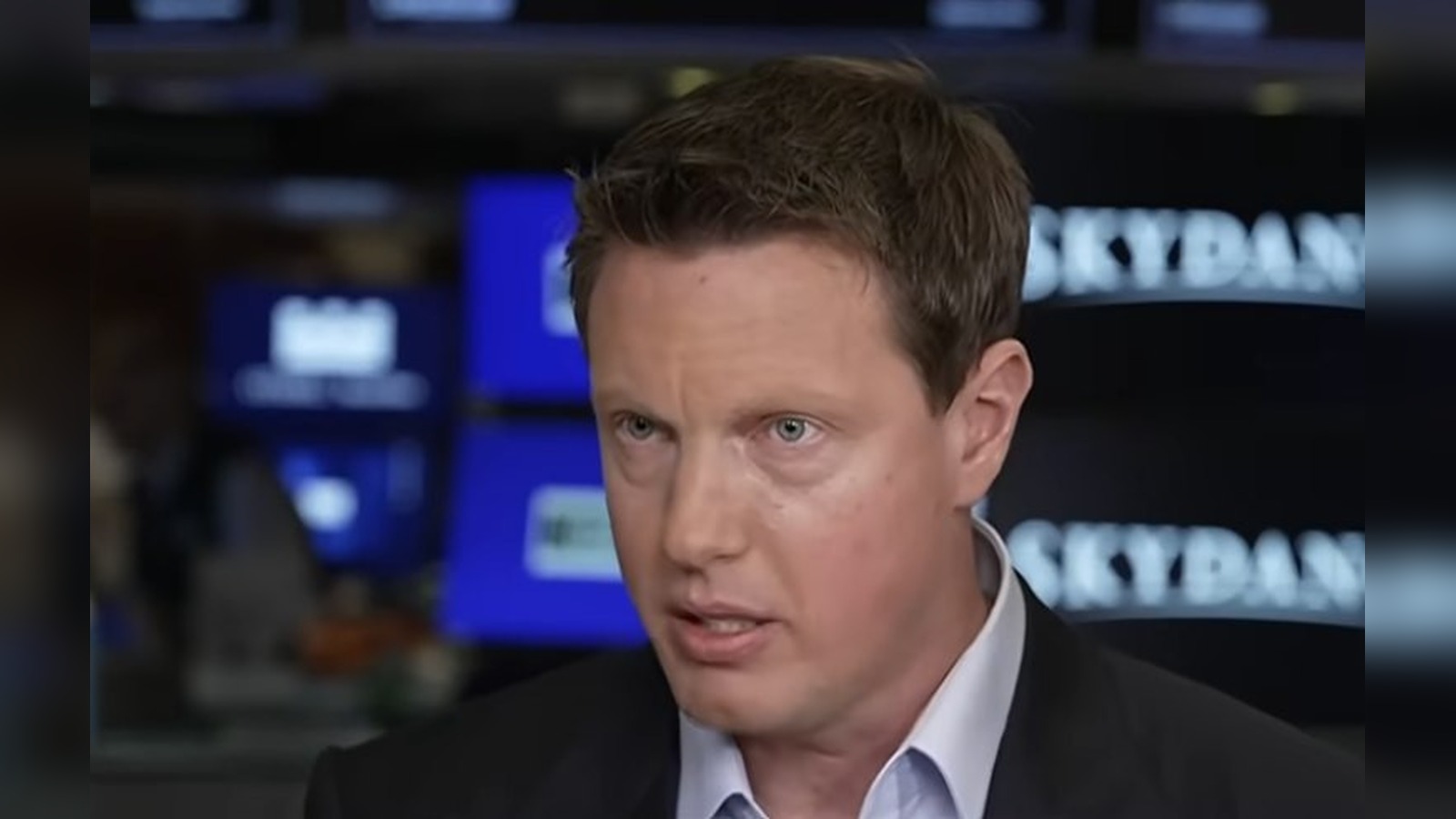
On November 18, 2026, at The New York Times’ DealBook Summit in Manhattan, Skydance Chairman and CEO David Ellison officially confirmed that Elon Musk has become a significant shareholder in the recently formed media conglomerate, as reported by IBTimes AU. The company, which emerged from the $111 billion merger of Paramount and Warner Bros. Discovery on October 6, 2026, has captured intense industry scrutiny due to the convergence of high-stakes tech capital and legacy entertainment assets. While Ellison declined to disclose the specific financial terms of the transaction, multiple reports, including those from the International Business Times and Business Insider, indicate the investment is approximately $1 billion. This capital injection underscores the accelerating trend of tech billionaires securing influential positions within traditional media, a strategic shift that brings into sharp focus the precarious balance between investor confidence and the necessary protection of editorial integrity.
During the summit, Ellison addressed immediate concerns regarding potential censorship or corporate influence over the company’s expansive news and documentary operations. When questioned by interviewer Andrew Ross Sorkin about the status of the upcoming HBO documentary “Musk,” which is reportedly critical of the billionaire, Ellison provided a definitive response, affirming that the project will proceed according to its original schedule. “Of course,” Ellison stated, clarifying that the company’s commitment to its established editorial pipeline remains intact despite the recent arrival of a new, high-profile shareholder. The documentary, directed by the acclaimed Alex Gibney, is slated to debut on HBO Max in the first quarter of 2027, serving as a high-visibility test case for the company’s stated editorial policies.
The Intersection of Tech and Legacy Media
Ellison’s public praise for Musk was notable, as he described the tech mogul as “the greatest entrepreneur of our time,” drawing direct comparisons between Musk’s impact and that of historical innovators such as Nikola Tesla and Thomas Edison. For the Skydance CEO, Musk’s decision to commit capital is a significant vote of confidence in the long-term strategy behind the Paramount-Warner Bros. Discovery merger. The combined entity is currently navigating a challenging financial landscape, contending with approximately $80 billion in net debt and persistent pressure to achieve $6 billion in annual cost savings by 2029. Successfully integrating two legacy entertainment giants requires not only significant financial runway but also a coherent vision for competing against digital-native rivals like Netflix, Amazon, and Apple.
The investment also illuminates the deeper, long-standing connections between the Ellison family and Musk. David Ellison’s father, Oracle co-founder Larry Ellison, has maintained a decades-long personal and business relationship with Musk and served as a primary financial backer for the Skydance merger itself. Despite these deep-seated ties, David Ellison clarified that there is currently “nothing” in the works regarding a formal partnership between Skydance and Musk’s Starlink service, though he expressed a professional willingness to explore potential collaborations should appropriate opportunities arise in the future. He emphasized that his father, while an influential partner, demands “incredible performance” and consistent results from the media conglomerate’s operations.
Challenges of Billionaire-Backed Media
The entry of figures like Musk into the media landscape has intensified public and industry debates regarding the concentration of news and entertainment assets. Critics argue that when billionaires with vast, multi-industry interests—spanning sectors such as aerospace, automotive manufacturing, and social media platforms like X—also hold equity in major news networks like CBS or production houses like HBO, the potential for conflict of interest is inherently elevated. The central question for market observers and media watchdogs is whether such companies can maintain the necessary distance between their corporate ownership structures and their daily editorial output. This tension is particularly acute given the current climate of declining trust in traditional news institutions, a trend Ellison acknowledged as a primary challenge for his leadership team.
For the leadership of the new Skydance entity, including co-CEO Ynon Kreiz, the task is twofold: they must satisfy investors who expect robust financial returns in a volatile, shrinking streaming market while simultaneously proving that their editorial independence is not for sale. The scheduled release of the Gibney documentary will serve as an early, highly visible litmus test for this commitment to journalistic autonomy. As the company continues its complex organizational restructuring, including potential workforce reductions and internal consolidation, market analysts will be watching closely to see if other tech-adjacent investors follow Musk’s lead and what specific conditions, if any, are attached to such significant capital injections. Ellison has maintained that his mission for the news division is to rebuild trust, a goal he insists will remain the company’s priority over the next five years, regardless of the individual identities of the firm’s shareholders.
Furthermore, the broader context of the merger involves diverse international backing, including contributions from sovereign wealth funds in Saudi Arabia, Qatar, and Abu Dhabi. This global financial footprint, combined with the domestic influence of the Ellison family and Musk, creates a complex ownership map. Ellison has consistently argued that these investments are purely strategic, aimed at securing the financial stability required to produce high-quality content in an era of intense competition. As the entity moves into 2027, the focus will remain on the execution of its debt-reduction plans and the successful management of its diverse portfolio of media assets under the scrutiny of an increasingly skeptical public.