


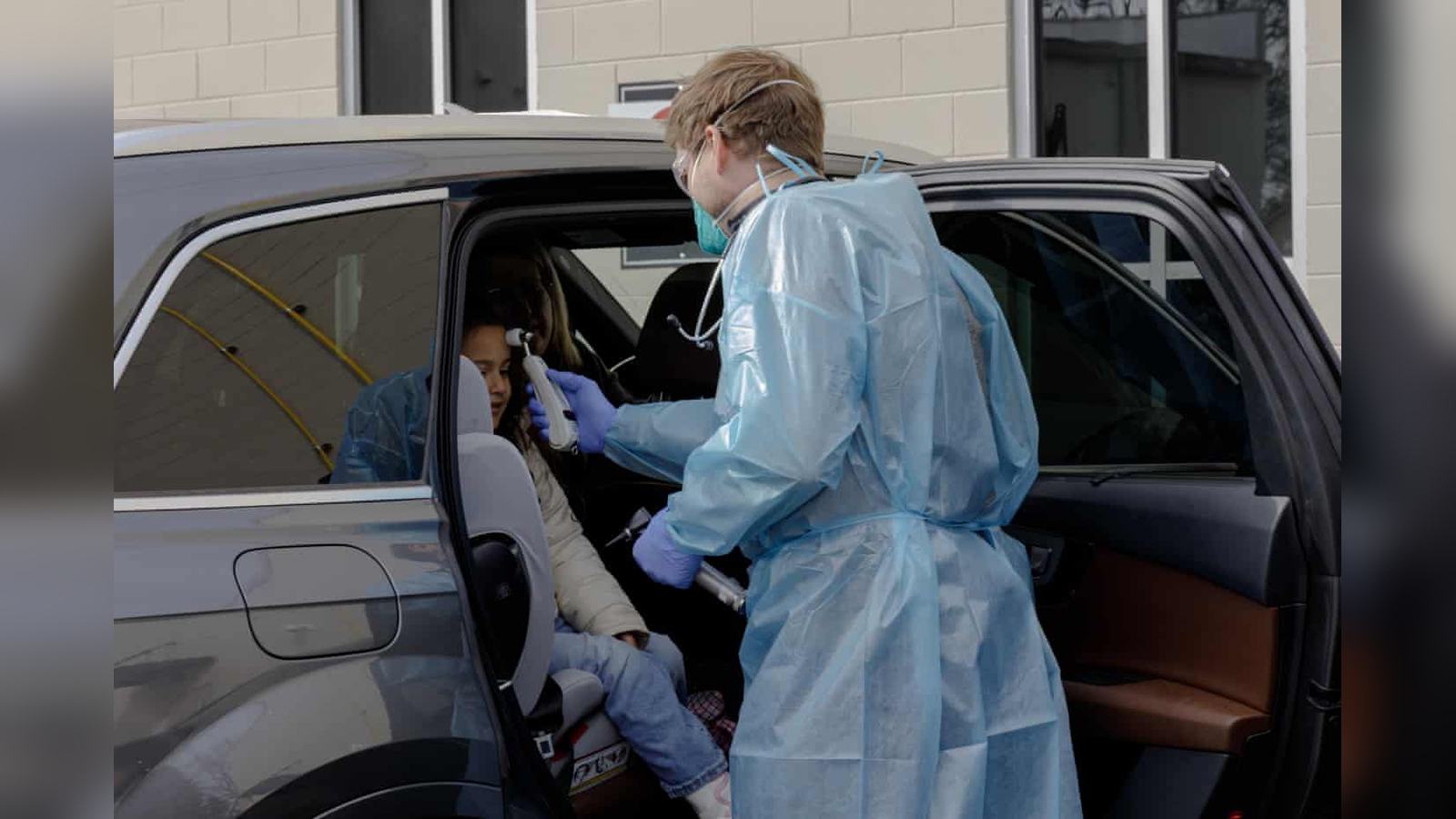
A Formal Shift in Public Health Designation
On November 17, 2026, the Pan American Health Organization (PAHO) officially revoked the United States’ status as a measles-eliminated nation (The Guardian). This administrative decision marks the end of a 26-year period during which the U.S. successfully maintained the sustained interruption of the virus’s transmission. The formal revocation, which follows 12 months of continuous domestic spread and over 5,400 recorded cases, confirms that the country no longer meets the rigorous international criteria for elimination. This designation is not a punitive measure, but rather a technical public health classification that reflects a critical collapse in the community immunity required to prevent the resurgence of one of the most infectious diseases known to medicine.
For over two decades, the United States served as a regional leader in disease control, with robust vaccination initiatives providing a massive return on investment, as noted by Dr. Jon Andrus, chair of the PAHO advisory committee. The current situation highlights a significant breakdown in that infrastructure, exacerbated by declining vaccination rates and pervasive public skepticism. The loss of this status serves as a bellwether for broader problems in disease prevention. As the virus spreads, local health departments have been forced to implement reactive measures, such as advising residents to locate decades-old vaccination records to avoid quarantine or invasive testing. Epidemiologist Gregg Gonsalves, a researcher at Yale, noted that the situation represents “public health malpractice” coming home to roost. With Canada having already lost its status in 2025 and the UK following suit this year, the U.S. now joins a growing list of nations struggling to contain a disease that was once considered effectively managed.
Institutional Stakes and Political Fallout
The resurgence of measles has triggered sharp criticism of the current federal health leadership. Health and Human Services (HHS) Secretary Robert F. Kennedy Jr. has faced mounting pressure to resign, including from Republican Senator Bill Cassidy, who labeled his tenure a “series of failures.” Critics, including former CDC acting director Dr. Richard Besser, argue that the federal government has been “missing in action” while the healthcare system sustained significant damage, partly due to the dissemination of misinformation regarding the measles, mumps, and rubella (MMR) vaccine. Dr. Besser, who is also the president and CEO of the Robert Wood Johnson Foundation, expressed deep dismay, stating that as both a pediatrician and a parent, he is heartbroken that the nation has reached this point. He noted that the resurgence of measles has coincided with an administration that has inflicted significant damage to the healthcare system while spreading false claims about vaccines.
In a statement posted to X, Secretary Kennedy maintained that the administration would work to regain the country’s elimination status by closing vaccination gaps and engaging with community leaders. He emphasized that the Department of Health and Human Services is working to answer families’ questions honestly about vaccine benefits and risks. However, public health experts emphasize that the path to reclaiming this status is a multi-year effort. Brazil, for instance, lost its status in 2019 and regained it five years later, illustrating the long-term commitment required to restore herd immunity. The U.S. is expected to submit a corrective plan of action to PAHO in the coming weeks, which must include robust strategies for strengthening vaccination coverage, enhancing surveillance, and improving outbreak response.
The Reality of Resurgent Transmission
The 5,400 cases documented this year are associated with at least 10 deaths, a toll that underscores the severity of the outbreak. Medical authorities, including the American Academy of Pediatrics, have warned that measles is far from harmless, capable of causing pneumonia, brain damage, and hospitalization in up to one in five cases. The virus is so contagious that an infected person can spread it to nine out of ten people in close proximity, and it can linger in the air for up to two hours after an infected person has left a room. Dr. Walter Orenstein, a former director of the U.S. immunization program at the CDC, warned that endemic measles poses a serious risk to unvaccinated individuals, particularly infants and the immunocompromised who cannot receive the vaccine.
As of the 2025-26 school year, MMR vaccination coverage among kindergartners fell to 92.4%, down from 95.2% in the 2019-2020 school year. This decline puts the U.S. below the 95% threshold required to prevent community transmission. According to an NBC News investigation, 75% of counties and jurisdictions with available data now fall below this critical 95% rate. The pandemic, which caused delays in routine pediatric care, combined with an onslaught of misinformation regarding both Covid-19 and childhood vaccines, has reignited long-debunked theories about vaccine safety. These factors have created pockets of low vaccination rates that can combust into widespread outbreaks. Dr. Peter Hotez, co-director of the Texas Children’s Hospital Center for Vaccine Development, noted that the distinctive seasonality of measles has returned, suggesting that the nation may face an even larger surge in the spring of 2027.
The Path to Rebuilding Public Trust
Regaining elimination status will require interrupting endemic transmission for at least 12 months, documenting that progress, and strengthening the nation’s public health infrastructure. Experts argue that the federal government must shift from a reactive stance to a proactive one, which includes restoring trust in scientific institutions and ensuring that every family has access to life-saving vaccines. The Department of Health and Human Services has stated that it is allocating additional funding to support state and local responses, but many observers contend that the damage to public trust requires a more fundamental change in rhetoric and policy. Democratic Senator-elect Dr. Annie Andrews of South Carolina emphasized that the country needs to put the health and safety of children ahead of politics, ensuring that medical providers and local health officials receive the support necessary to stop current outbreaks.
The road forward requires a coordinated action plan between federal, state, and tribal authorities to stabilize vaccination coverage and rebuild the public trust necessary to prevent further outbreaks. As PAHO director Dr. Jarbas Barbosa stated, measles elimination is not a trophy to be placed on a shelf, but an achievement that must be safeguarded every day. The U.S. now faces a new reality where the virus is once again endemic, necessitating a renewed commitment to evidence-based public health practices. While the task is daunting, the success of other nations in regaining their status serves as a template for what is required. For now, the focus remains on closing immunity gaps and preventing further mortality, as the nation grapples with the consequences of allowing a preventable disease to gain a permanent foothold once again.