


Cunningham Highlights Growing Frustration Over NBA Roster Management
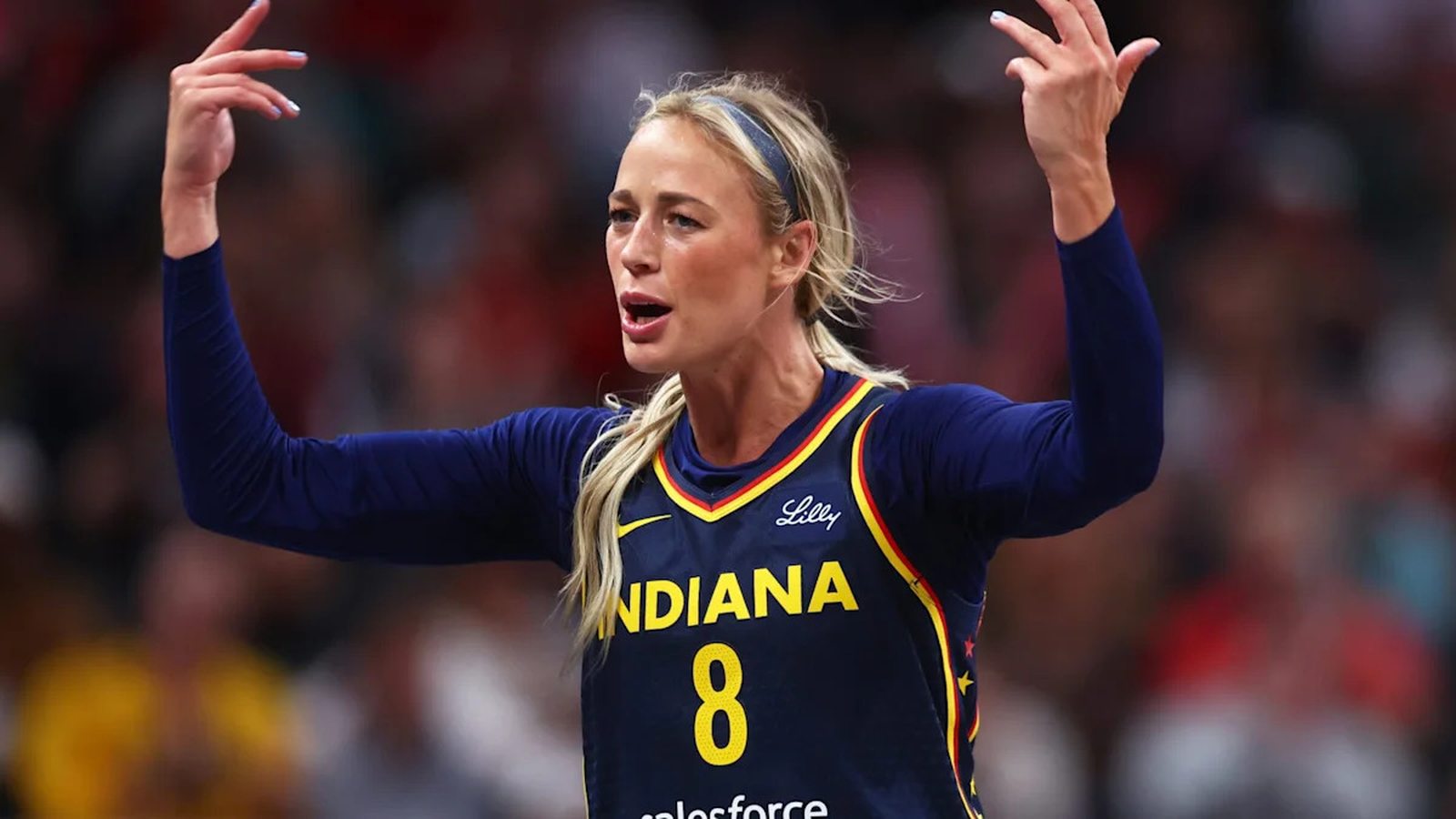
Indiana Fever guard Sophie Cunningham has voiced sharp criticism regarding current roster management practices in the NBA, specifically targeting decisions to bench star players during the final seconds of competitive games. During an episode of her “No Hesitation” podcast, Cunningham addressed a recent matchup between the Charlotte Hornets and the Los Angeles Lakers, where the Hornets opted to keep top scorers Brandon Miller and Coby White on the bench with only 20 seconds remaining in the fourth quarter while the game outcome remained undecided. According to reporting by Yahoo Sports, Cunningham expressed her direct disagreement with such tactical choices, arguing that they undermine the core objective of professional basketball.
“From the outside looking in, this is why people have negative feedback toward the NBA—because of situations like last night,” Cunningham stated on her podcast. “I love the NBA. I love basketball. I could watch these guys, especially live, seven out of seven days a week. But when stuff like that happens, it is frustrating to fans. It is actually frustrating to actual players who know the game as well. I don’t agree with that. At the end of the day, you’re there to win basketball games.”
Broader Trends in Load Management and Tactical Caution
Cunningham’s comments reflect an ongoing discourse regarding how modern NBA teams balance player health with competitive integrity. The league has seen a rise in precautionary measures, often referred to as load management, intended to mitigate the risk of injury over the course of an 82-game season. However, these practices increasingly clash with viewer expectations and the competitive nature of individual high-stakes contests.
The frustration highlighted by Cunningham is not limited to the Charlotte Hornets’ recent decisions. Earlier in the 2026 season, the Golden State Warriors drew similar scrutiny when they chose to bench stars Steph Curry and Draymond Green at the start of an overtime period. These instances underscore a systemic tension between the long-term physical preservation of athletes—a priority for training staffs and front offices—and the immediate, short-term demands of winning a specific game on the schedule.
For players like Cunningham, who compete at the professional level, the optics of benching primary scorers during “crunch time” suggest a prioritization of data-driven safety protocols over the spirit of competition. This creates a disconnect that fans, who invest time and financial resources into watching games, are increasingly vocal about. As the season progresses, the league faces the challenge of reconciling these institutional safety strategies with the need to maintain the intensity and credibility of its product on the court. Whether front offices will adjust their late-game protocols in response to this growing public and professional pushback remains a point of significant internal debate within NBA organizations.
The Professional Context of Public Commentary
The outspoken nature of Cunningham’s commentary arrives during a period of intense scrutiny surrounding her own career with the Indiana Fever. In October 2026, Cunningham addressed separate criticisms regarding her public persona, specifically rejecting suggestions that her off-court views should impact her professional standing or roster security. Following a column in The Athletic that questioned the team’s continued investment in her, Cunningham maintained a defiant stance, emphasizing that her contributions to the game extend well beyond traditional box score statistics. Her co-host, Drew Hanlen, defended her performance metrics, noting that her 60.8% effective field goal percentage and high three-point shooting accuracy remain elite assets for any professional organization. This context illustrates the broader tension faced by modern athletes who navigate high-profile careers while balancing public opinion, team priorities, and the evolving nature of professional sports discourse. For Cunningham, the critique of NBA roster management is simply an extension of her commitment to the game itself, regardless of how her own professional status is perceived by media outlets or external observers.
Systemic Challenges in Modern Basketball
The debate surrounding benching decisions is not merely about fan satisfaction; it touches upon the fundamental philosophy of professional sports. When teams prioritize injury prevention over the immediate outcome of a competitive game, they fundamentally alter the relationship between the product and the consumer. The data-driven approach to player longevity is designed to protect multi-million dollar investments, yet it frequently results in the absence of star talent during the most critical moments of the season. As Cunningham noted, this creates a situation where players, who possess an innate competitive drive, find themselves at odds with the cautious strategies implemented by coaching staffs and medical teams. The challenge for the NBA, therefore, is to determine whether these protocols can be refined to ensure that the competitive integrity of the game is maintained even as injury management remains a necessary component of the modern professional landscape.
Ultimately, the discussion raised by Cunningham highlights a growing divide between the analytical, long-term focus of NBA franchises and the emotional, immediate expectations of the basketball community. As the 2026-2027 season progresses, the league will likely continue to face pressure to align its operational strategies with the expectations of its audience. Whether this will lead to a change in late-game coaching philosophies or a new standard for player availability remains to be seen, but the discourse underscores the ongoing evolution of professional basketball in an era of unprecedented data analysis and athlete protection.