


Strategic Assessment and Military Posture
As of November 20, 2026, the United States and Israel are actively evaluating the possibility of launching a new short-term military assault against Iran. Sources familiar with the ongoing deliberations told CBS News that the potential operation is driven primarily by Israeli intelligence concerns regarding the rapid reconstruction of Iranian ballistic missile manufacturing capabilities. Furthermore, officials are alarmed by the pace at which Tehran is moving critical military and nuclear infrastructure into fortified underground facilities, effectively shielding them from conventional airstrikes.
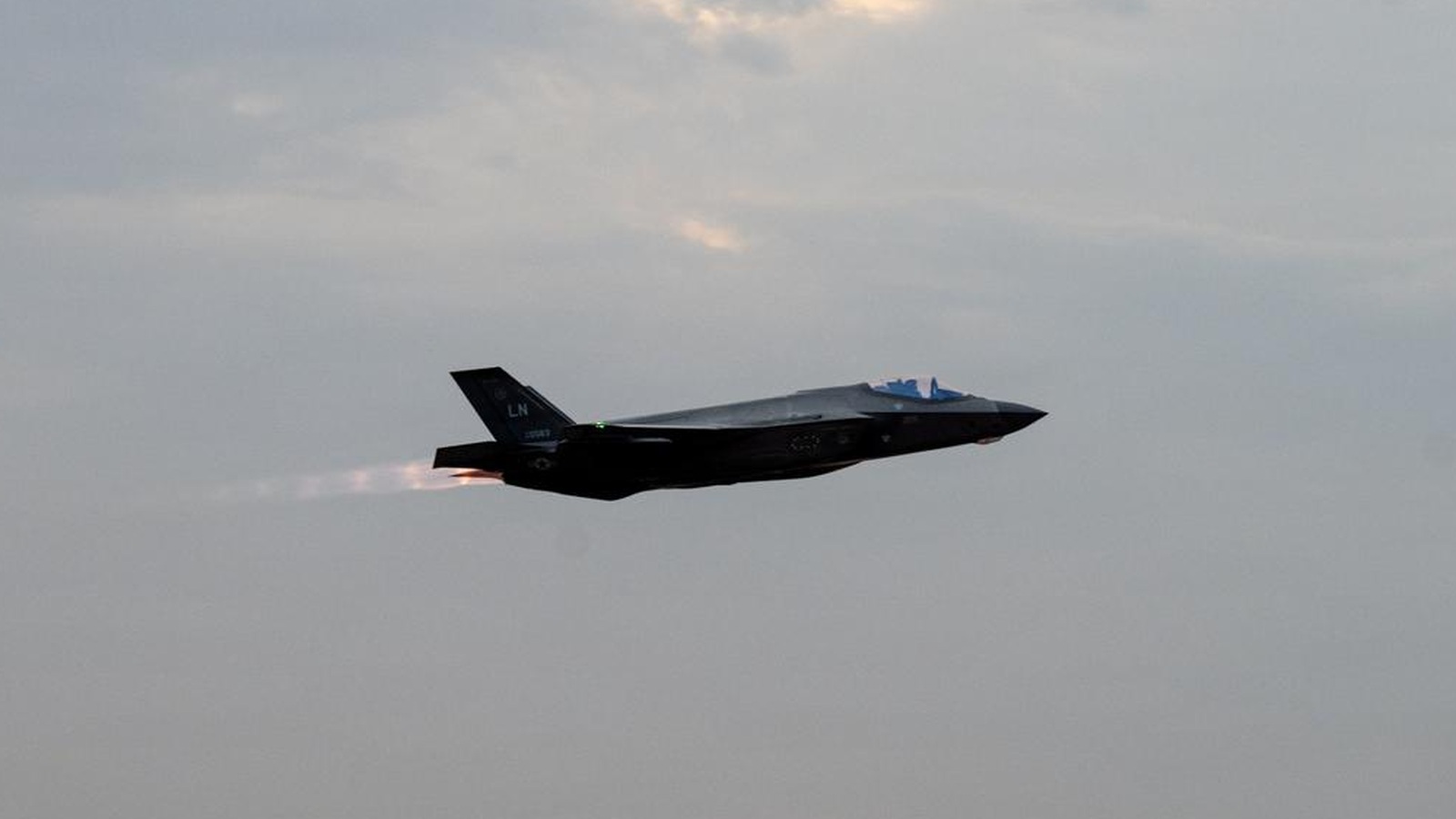
The operational framework for such an assault is already in place. U.S. forces stationed in the region, including tens of thousands of personnel and two carrier strike groups, maintain the capacity to mount a fresh offensive within 48 to 96 hours of an authorization order. Adm. Brad Cooper, chief of U.S. Central Command, met with senior Israeli security officials on Wednesday, including Mossad Director Roman Gofman and IDF General Eyal Zamir, to conduct a comprehensive situational assessment. The presence of the Mossad director at these high-level talks, a rare occurrence, underscores the gravity of the intelligence-sharing regarding Iran’s current trajectory. Gofman’s recent visit to Washington, including meetings with CIA Director John Ratcliffe, further signals that the planning has reached a critical phase.
Political Constraints and Shifting Dynamics
The window for a joint operation is narrowing due to significant political shifts in both nations. Israeli Prime Minister Benjamin Netanyahu, currently managing a tenuous hold on power following a recent national election, faces the potential loss of his premiership within weeks as opposition leaders attempt to form a coalition. Critics and some political rivals have suggested that the push for military action may be influenced by a desire to consolidate support through national security imperatives. In the United States, the incoming shift in Congressional control scheduled for January 2027 threatens to place stricter oversight on war financing, limiting the executive branch’s current flexibility.
President Donald Trump has provided conflicting signals regarding his intentions. While he recently stated to Fox News that he intends to “finish off” the conflict, he simultaneously informed Israel’s Channel 12 that he is “not rushing into any decision” and may allow the current stalemate to persist into 2027. This ambiguity complicates the planning process for Israeli officials who prefer a collaborative, rather than unilateral, strike. Netanyahu is reportedly putting intense pressure on the White House to secure a green light for an air campaign lasting between four and seven days.
Nuclear and Chemical Proliferation Concerns
Beyond conventional capabilities, President Trump has alleged that Iran is seeking to develop chemical or biological weapons. While these claims have not been supported by public evidence, they serve as a cornerstone of the current diplomatic and military justification for potential intervention. Iran’s Foreign Ministry spokesperson, Esmaeil Baqaei, formally rejected these allegations, framing them as a “fraudulent script” reminiscent of pre-invasion rhetoric regarding Iraq in 2003. International monitors continue to observe that Iran maintains a stockpile of approximately 900 pounds of uranium enriched to 60% purity, a level that remains a significant proliferation concern despite Tehran’s persistent denials of any intent to develop nuclear weaponry.
Regional Escalation and Diplomatic Deadlock
As the administration weighs its options, the conflict remains deeply unpopular with the American public, and diplomatic efforts to reopen the Strait of Hormuz have stalled. Tehran continues to demand the lifting of the naval blockade and the satisfaction of seven specific conditions before engaging in substantive talks. The regional environment has grown increasingly volatile, with the U.S. conducting a strike on Iran’s Qeshm Island on Tuesday in response to Iranian attacks targeting U.S. assets in Bahrain. The Iranian Revolutionary Guard Corps has responded with threats to broaden the theater of war, warning that any further aggression would result in attacks on energy infrastructure, undersea cables, and U.S. bases in Europe. Supreme Leader Ayatollah Mojtaba Khamenei has reportedly warned that there would be no geographical limits to Iranian missile responses in the event of renewed hostilities.
With both Netanyahu and Trump nearing the end of their current political mandates, the decision-making process remains volatile, characterized by high-level security briefings that analysts suggest are precursors to potential imminent action. The Israeli military maintains a peak defensive posture, standing ready to respond to any initial Iranian strike, while the U.S. military command waits for final authorization. The interplay between domestic political survival in Jerusalem and the transition of power in Washington creates a precarious environment where military escalation is viewed as a high-stakes lever for both administrations.
The uncertainty surrounding the timing and scope of a potential third round of major hostilities underscores the fragility of the current regional order. Military analysts note that while the logistical capacity for a strike exists within days, the strategic consequences of such an action—including the potential for a wider regional conflagration—remain the primary points of contention within the halls of power in both Washington and Tel Aviv. Whether the pressure from the Netanyahu government will successfully override the hesitation noted in recent White House statements remains the central question as the calendar turns toward 2027.