


SpaceX Reschedules Bandwagon-5 Launch to Tuesday
SpaceX has shifted the targeted launch of its Bandwagon-5 rideshare mission to Tuesday morning following weather delays. According to reporting by WRAL, the Falcon 9 rocket is now scheduled to lift off at 6:30 a.m. from Cape Canaveral Space Force Station in Florida. The mission was originally slated for Monday morning, but unfavorable weather forced mission managers to push the timeline back by 24 hours.
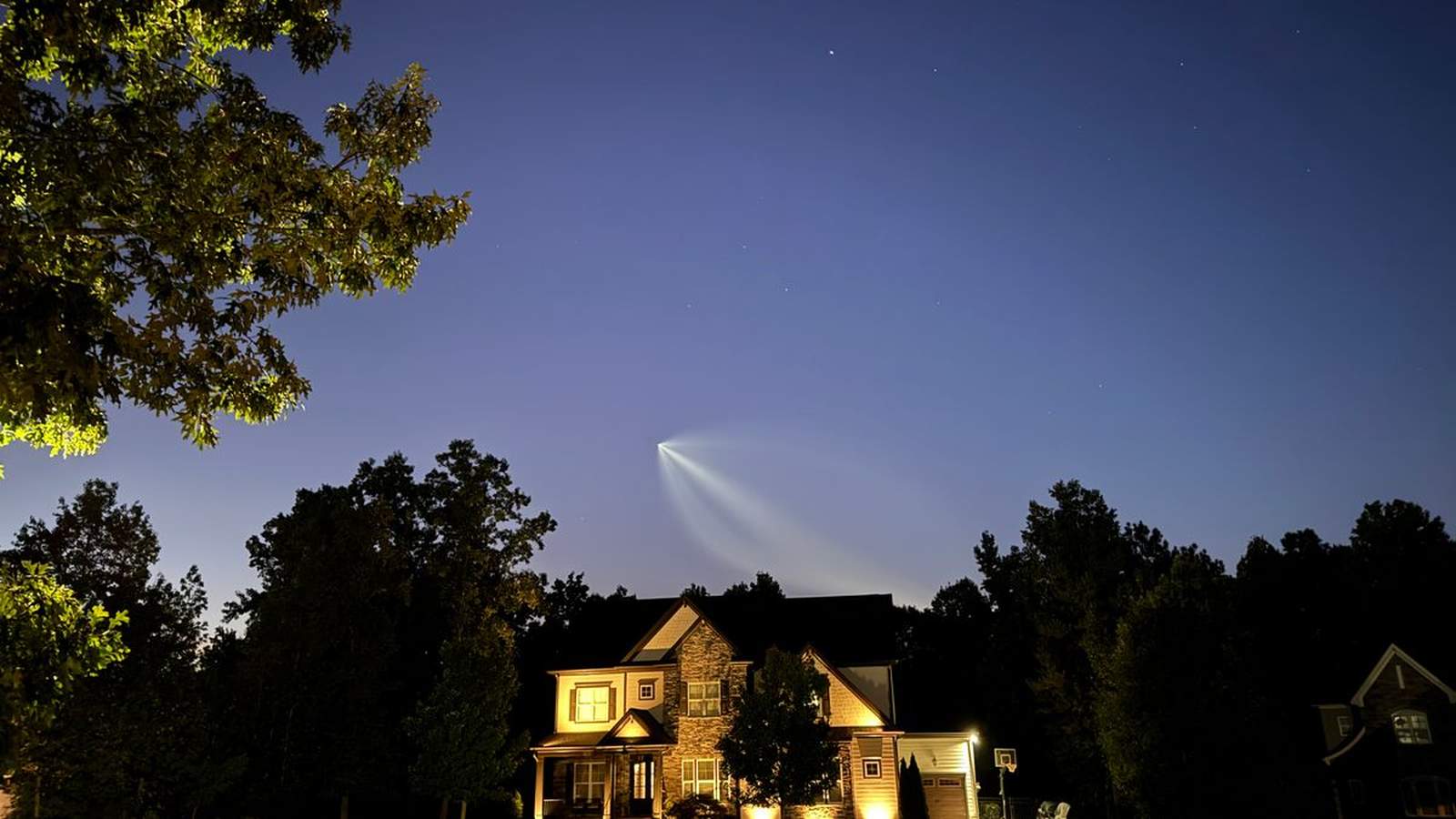
The Bandwagon-5 payload consists of multiple satellites destined for low Earth orbit. Because the launch window opens just ahead of local sunrise, meteorologists and aerospace observers are evaluating whether atmospheric conditions will once again create the striking illuminated exhaust plumes often described as “space jellyfish.”
Understanding the Space Jellyfish Phenomenon
The glowing, expanding formations occur when a rocket climbs into high altitudes where sunlight illuminates the exhaust gases while the ground below remains in darkness. This visual effect typically happens when a launch occurs shortly before sunrise or shortly after sunset. During these twilight windows, sunlight catches the expanding vapor and rocket exhaust—primarily water vapor—at high altitude.
Weather forecasts indicate that clear skies are expected throughout the initial 6:30 a.m. to 7:30 a.m. launch window, providing favorable meteorological conditions for observation where the plume is visible. However, visibility depends heavily on exact timing within that hour, as brightening morning skies quickly wash out the illuminated exhaust.
Trajectory Changes Limit North Carolina Viewing Potential
Observers in the Carolinas should temper expectations compared to previous rocket displays. While a launch last week followed a northeasterly trajectory up the Atlantic coast—making it widely visible from Alabama to Maryland and Tennessee—Tuesday’s flight path will take a different route.
The Bandwagon-5 mission is expected to travel in a southeasterly direction from Florida, offering the most prominent views for the Caribbean and parts of central and southern Florida. According to WRAL, North Carolina observers may still catch a glimpse of the ascent, but the display will appear lower in the southeastern sky and significantly less prominent than last week’s event.
Viewing Guidance and Next Steps
For those attempting to spot the vehicle and any associated exhaust plumes on Tuesday morning, experts recommend finding an unobstructed horizon looking toward the southeast. Observers should distance themselves from bright streetlights and allow several minutes for their eyes to adjust to the dark.
The display typically begins with a bright point of light climbing steadily into the atmosphere, followed by a diffusing, expanding glow that can shift rapidly due to upper-level winds. Interested viewers can monitor official mission updates and live coverage directly through the SpaceX mission page as the Tuesday morning window approaches.