


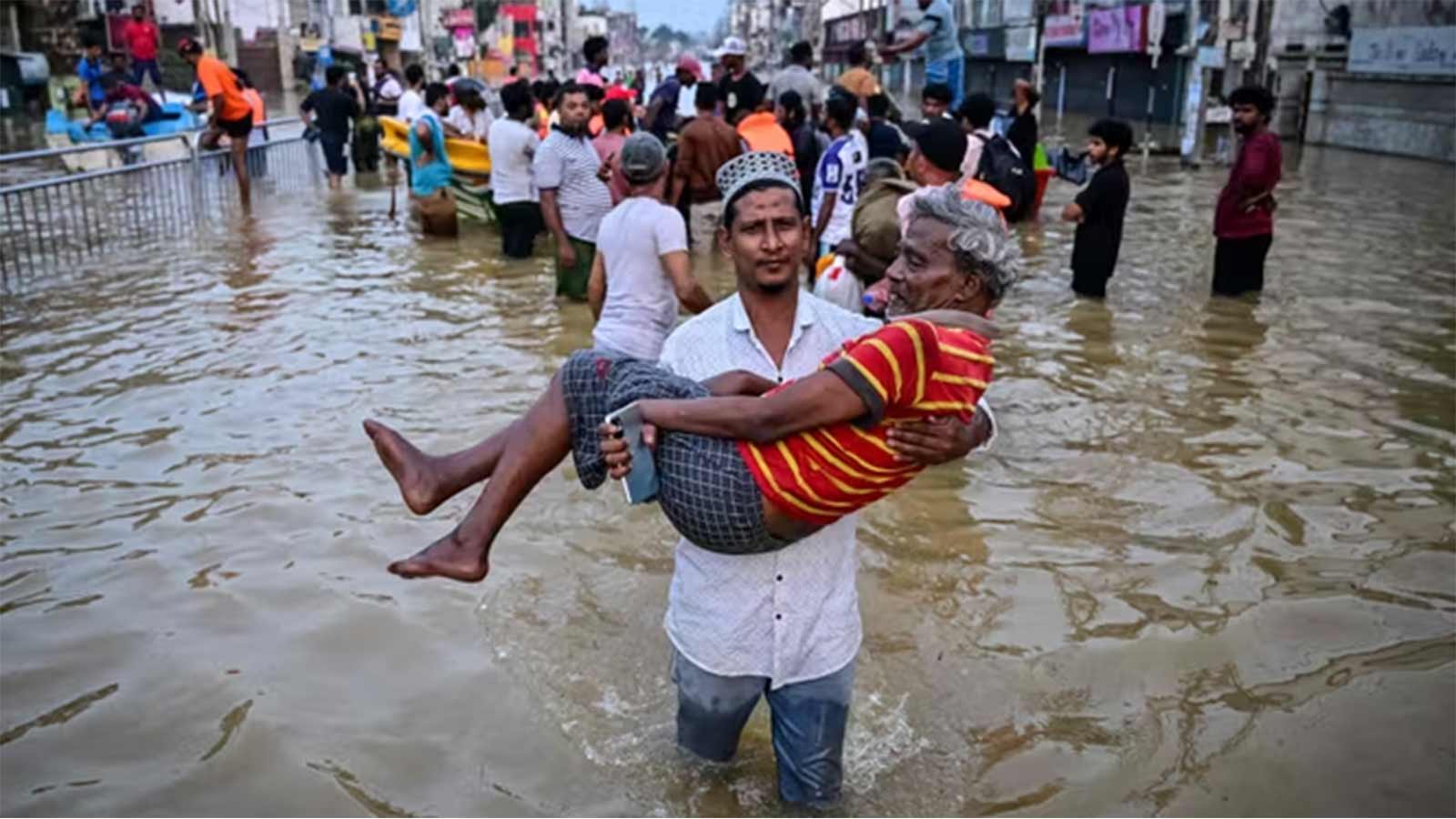
Relentless Rains Stall Sri Lanka’s Recovery Efforts
The island nation of Sri Lanka is enduring a crisis of historic proportions. In the aftermath of Cyclone Ditwah, which struck with devastating force last week, the country’s recovery efforts have been severely hampered by ongoing, intense rainfall. According to the Disaster Management Centre (DMC), more than 130mm (5.1 inches) of rain inundated southern Sri Lanka in just 15 hours on Thursday, with further downpours expected across southern and southwestern regions.
Human Toll: Hundreds Dead, Thousands Displaced
The cyclone’s impact has been catastrophic: at least 486 people have lost their lives, more than 50,000 homes are damaged, and 170,000 individuals have been forced into relief centres. The DMC reports that 341 people remain missing, their families anxiously awaiting news. President Anura Kumara Dissanayake, in a somber address to the nation, described the disaster as “the most challenging the island has ever faced.” He emphasized, “We also recognize that what we are undertaking is the most difficult rescue operation in our nation’s history.”
For families like that of Prasanna Shantha Kumara, now living in a relief centre after losing their home and crops, the future is uncertain. “How can we live like this? We need help,” Kumara told Reuters. Their story is echoed by thousands across the country, many of whom face the daunting prospect of rebuilding their lives from scratch.
Infrastructure in Crisis: Power Outages and Unstable Land
Nearly three-quarters of the country’s electricity supply has been restored, but critical areas—particularly in the Central Province—remain without power and telephone connections. The ongoing rain continues to threaten further landslides, especially in the central hills, prompting authorities to warn residents against returning home prematurely. Even homes that were untouched by the cyclone are at risk, as unstable mountainsides could give way at any moment.
Financial Strain: Government and International Response
Responding to the crisis, the government has introduced direct financial support: 25,000 rupees (about $81) for cleaning homes and 2.5 million rupees ($8,100) to begin rebuilding those destroyed. Overall reconstruction costs are estimated to reach as high as $6-7 billion. Commissioner-general of essential services Prabath Chandrakeerthi has led efforts to distribute aid, but the sheer scale of the disaster has stretched resources thin. President Dissanayake declared a state of emergency and pledged to rebuild with international support, recognizing that the road ahead will be long and arduous.
Regional Context: Catastrophe Beyond Borders
Sri Lanka is not alone in its suffering. The cyclone and subsequent floods were part of a larger wave of natural disasters that battered Indonesia, Thailand, and Malaysia last week, killing a combined 1,500 people. Villages in Indonesia remain buried under mud and debris, and communities across Asia are struggling to recover from the worst floods in a decade.
Public Outcry and Calls for Accountability
In Sri Lanka, the disaster has sparked frustration and criticism from residents in the hardest-hit areas, many of whom believe the government was ill-prepared for the scale of destruction. Local media, including the state-owned Daily News, have reported on the persistent rainfall—75mm (3 inches) expected today alone—which continues to impede relief and reconstruction efforts.
With mountainsides unstable and entire communities uprooted, the question resonates: what comes next for Sri Lanka? The immediate priority is clear—shelter, food, and medical care for the displaced. But as the rains persist and the enormity of rebuilding becomes apparent, the nation faces a test of resilience and resolve.
Assessment: Sri Lanka’s response to Cyclone Ditwah reveals both the vulnerability and resilience of its people. The disaster has exposed gaps in preparedness, but also galvanized a nationwide effort to rebuild. The success of recovery will depend not only on government and international aid, but also on sustained attention to long-term infrastructure and community needs. For now, the relentless rain is both a literal and metaphorical obstacle—challenging the spirit of a nation that must find hope amidst adversity.