


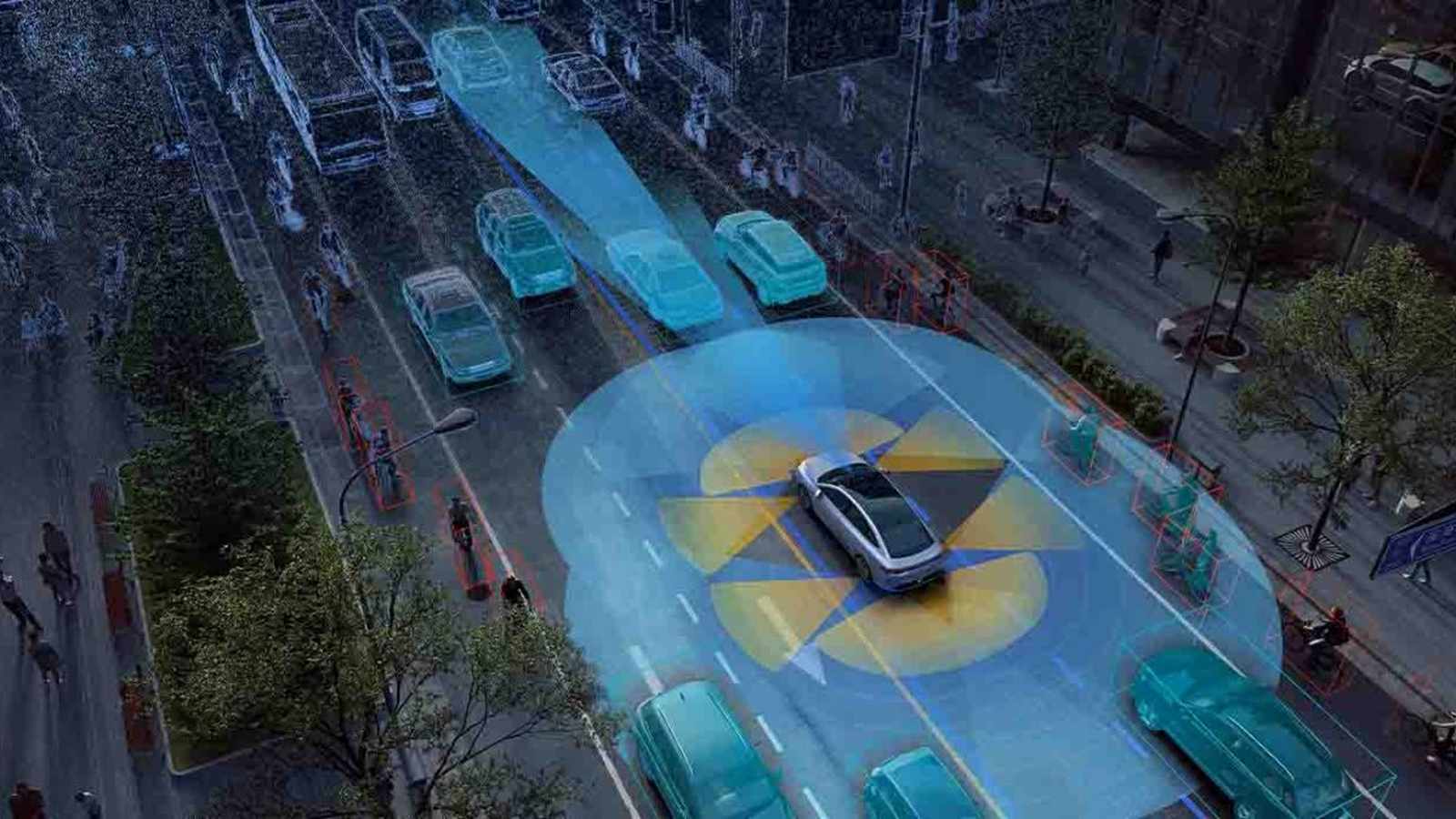
NEW YORK (Azat TV) – Tesla’s ambitious timeline for the widespread rollout of its Full Self-Driving (Supervised) system in China has been directly refuted by Chinese state media, just as the automaker is moving to a subscription-only model for FSD in North America. This development, following Elon Musk’s recent claims at the World Economic Forum in Davos, casts doubt on a significant revenue opportunity for Tesla’s software division and underscores the ongoing regulatory hurdles for advanced autonomous driving technologies globally.
Speaking at the Davos forum, Tesla CEO Elon Musk stated he hoped for regulatory approval for FSD in Europe as soon as February, adding, “and then maybe a similar timing for China.” This comment briefly boosted Tesla (TSLA) stock, as the Chinese market represents a potentially vast expansion for the company’s software offerings. However, less than 24 hours later, China Daily, a state-run English-language newspaper often used to convey official stances, published a report citing a “reliable source” close to the government. This source explicitly stated that Musk’s claim of an approval next month is “not true” and that the timeline does not align with the current regulatory reality.
China’s Regulatory Roadblocks for FSD
The report from China Daily suggests that while Tesla has made progress with data security clearances, particularly following Musk’s surprise visit to Beijing in April 2024, the full approval for a supervised autonomous driving system on public roads is not imminent for February 2026. This is not the first instance of delays for Tesla’s FSD in China; in late 2025, Musk had informed shareholders that approval would likely come in early 2026, slightly pushing back a previous prediction for the end of that year. Tesla has been laying extensive groundwork for FSD in China, including a 2024 partnership with Baidu for lane-level mapping and navigation, a crucial prerequisite given the country’s strict surveying laws. Despite these efforts, the final regulatory clearance from Beijing appears to remain elusive, highlighting the cautious approach of Chinese authorities to autonomous vehicle technology.
Tesla Shifts to Subscription-Only FSD in North America
Concurrently with the developments in China, Tesla is implementing a major change to its FSD sales model in the U.S. and Canada. Effective February 14, 2026, the automaker will cease selling the Full Self-Driving system as an upfront purchase, making it available only through a monthly subscription. The current subscription fee is $99 per month, a price point that has fluctuated significantly since FSD’s inception, at one point reaching $15,000 for an upfront purchase before being cut to $8,000 in 2024. CEO Elon Musk confirmed on the social media platform X that the $99/month fee for supervised FSD will “rise as FSD’s capabilities improve,” particularly when “Unsupervised FSD” becomes a reality, allowing drivers to potentially disengage from active supervision. This strategic shift aims to secure recurring revenue streams and increase FSD adoption, which Tesla’s CFO admitted in October has been relatively low.
Furthermore, Tesla has removed certain bundled driver-assist features from new vehicles sold in North America. While Traffic-Aware Cruise Control remains standard, Autosteer, which helps keep the vehicle centered in its lane on highways, is no longer included. Buyers seeking self-steering capabilities will now need to subscribe to the FSD (Supervised) package. This move nudges new customers toward the subscription service, reinforcing Tesla’s focus on software-generated income rather than relying solely on vehicle sales.
Robotaxis and Insurance Partnerships
Amid these changes, Tesla has also rolled out driverless Robotaxis in Austin, Texas, operating on Unsupervised FSD. Musk reiterated at the World Economic Forum that autonomous vehicles were “essentially” solved by Tesla. However, questions have arisen regarding the full autonomy of these Robotaxis, as human-driven Tesla vehicles have reportedly been seen following them, suggesting that safety operators may have been shifted to trailing cars. Separately, insurer Lemonade Inc. announced a collaboration with Tesla, offering significant rate cuts, up to 50%, for FSD-engaged driving. Lemonade Co-Founder Shai Wininger stated that Teslas driven with FSD are involved in “far fewer accidents,” and their models can ingest nuanced sensor data to price insurance with higher precision. This partnership highlights the potential for FSD to influence related industries, despite ongoing concerns from some safety experts and regulators.
Investor Focus on Software and Regulatory Pathways
Tesla shares closed marginally lower on Friday, setting the stage for a critical week ahead of the company’s fourth-quarter results release on January 28. Investors will be closely scrutinizing the earnings report and subsequent Q&A session for updates on FSD adoption rates, the impact of the new subscription model in North America, and any revised timelines for regulatory approvals in Europe and China. The market is seeking credible evidence that Tesla can boost margins through software and autonomy-related income, especially as the company navigates heightened macro risks and investor focus on futuristic plans like the Optimus robot. The rapid response from Chinese state media to Musk’s FSD timeline underscores the high stakes and close regulatory scrutiny facing Tesla’s global autonomy ambitions.
The confluence of a direct regulatory rejection from China and Tesla’s aggressive pivot to a subscription-only FSD model in North America highlights a critical juncture for the automaker’s software strategy, indicating a proactive effort to secure recurring revenue streams even as it navigates complex and often unpredictable international regulatory landscapes.