


Thomas Pynchon: A Literary Phantom in the Modern Age
Few authors have managed to become both a literary legend and a near-total enigma in their own lifetime. Thomas Pynchon, the American novelist whose works have shaped postmodern literature, stands as a testament to the power of mystery. Despite decades of speculation, his true face remains largely unseen, and his public persona is defined by a steadfast commitment to privacy. Yet, his novels—ranging from the sprawling chaos of Gravity’s Rainbow to the melancholic nostalgia of Vineland—have left an indelible mark on the global literary landscape.
Pynchon and the Nobel Prize: An Elusive Triumph
In the run-up to the 2025 Nobel Prize in Literature, Pynchon’s name surfaced once more among the bookmakers’ favorites, with odds at 16/1. His possible win, as inkl reported, would have been “like awarding the Nobel to a ghost.” He famously refused to collect his 1974 National Book Award for Gravity’s Rainbow, sending a stand-in comedian instead. His aversion to publicity is not mere eccentricity; it’s a calculated stance against the cult of authorial celebrity. “My belief is that ‘recluse’ is a code-word generated by journalists, meaning: ‘doesn’t like to talk to reporters’,” he once quipped when approached by CNN, underscoring his discomfort with media spectacle.
Unlike some of his contemporaries who bask in the spotlight, Pynchon has chosen to let his work speak for itself. When his animated likeness appeared on The Simpsons in 2004—paper bag over his head, editing his own lines—he was poking fun at his own reputation, but also reinforcing it. The literary world, used to pageantry and televised speeches, knows better than to expect such things from Pynchon.
The Architecture of Pynchon’s Fiction
Pynchon’s novels are often described as labyrinthine: sprawling, packed with references, and populated by an array of eccentric characters. Gravity’s Rainbow is perhaps his most ambitious work—a 760-page epic exploring paranoia, technology, and the shadow of war. Its complexity is legendary; critics have compared its scope to that of Melville and Joyce, while its biting satire and postmodern structure have inspired generations of writers. But Pynchon’s fiction is not merely cerebral. It brims with dark humor, moments of tenderness, and a persistent sense of the absurd.
Vineland, published in 1990, marks a shift in tone. Set against the backdrop of the Reagan era, it mourns the loss of the freewheeling culture of the 1960s, contrasting revolutionary idealism with the cynicism and surveillance of the 1980s. The novel’s themes—political disillusionment, family ties, and the enduring struggle against authoritarian power—remain strikingly relevant.
Pynchon’s Influence: From Page to Screen
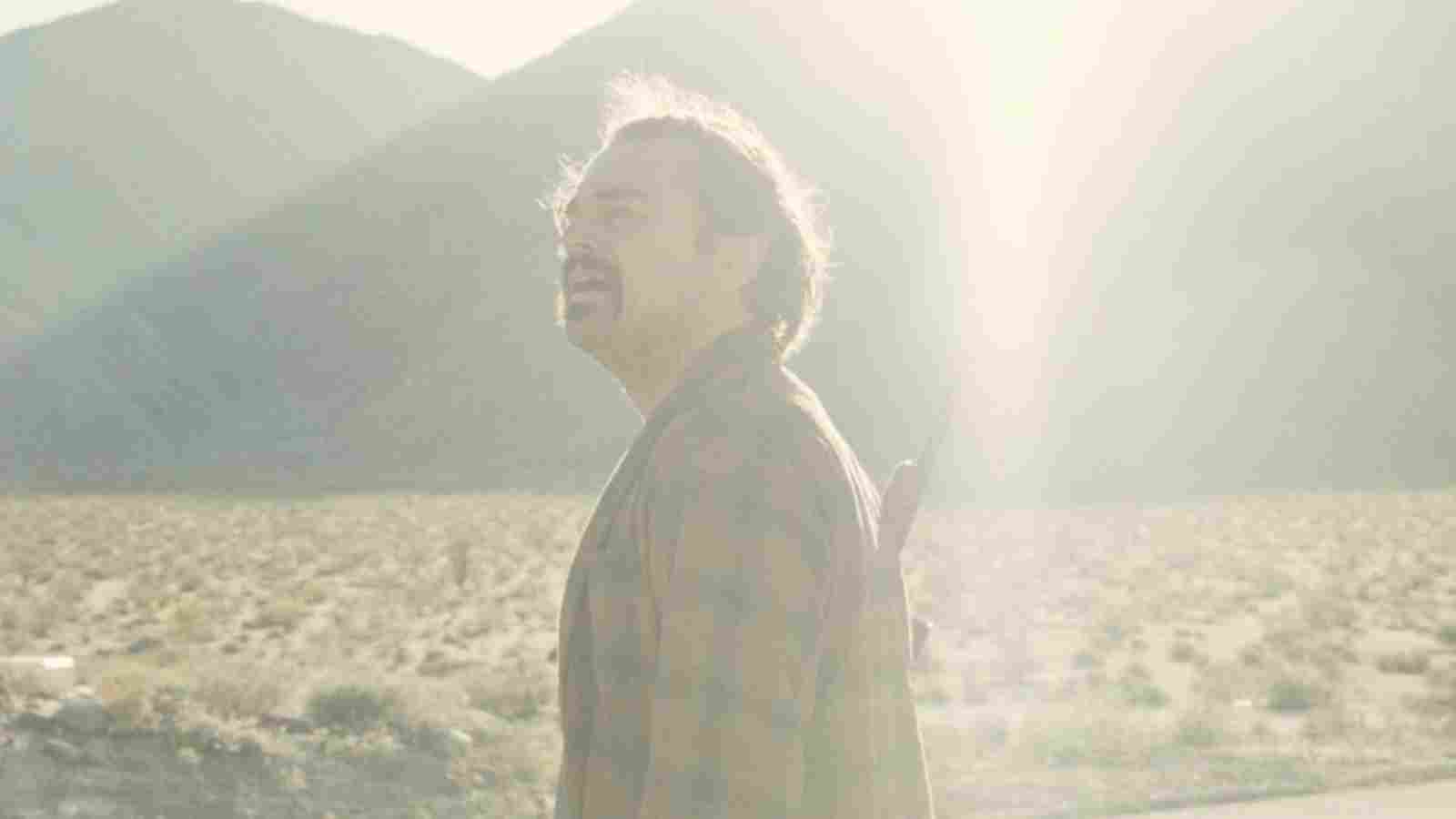
In 2025, director Paul Thomas Anderson released One Battle After Another, a film loosely based on Vineland. As Now Then Magazine observed, Anderson’s adaptation transposes the novel’s meditation on lost idealism into the present day, with characters navigating a landscape of deep social conflict and political division. The story follows Ghetto Pat (Leonardo DiCaprio) and Perfidia Beverley Hills (Teyana Taylor) as they confront both military power and shadowy elites, echoing the paranoia and resistance found in Pynchon’s original work.
Anderson’s film, praised for its “paranoid, unsettled energy,” avoids direct references to contemporary movements like MAGA or Antifa, instead drawing on universal themes of struggle and resilience. The emotional anchor—Chase Infiniti’s portrayal of teenage Willa—grounds the narrative, highlighting Pynchon’s gift for weaving personal stories into epic frameworks. Even the film’s nerve-shredding car chase, reminiscent of The Battle of Algiers, is a tribute to Pynchon’s ability to blend historical consciousness with cinematic tension.
Why Pynchon Matters: Legacy and Ongoing Relevance
Pynchon’s works are celebrated not just for their complexity, but for their prophetic vision. His novels anticipate the anxieties of the digital age: surveillance, fragmentation, and the erosion of privacy. They probe the intersections of politics and technology, asking readers to consider the forces—both visible and hidden—that shape our world. This is literature that refuses easy answers, demanding that readers engage, question, and interpret.
His reclusiveness, far from diminishing his stature, has only enhanced it. In an era where authors are often expected to perform their personalities for public consumption, Pynchon’s refusal is a kind of resistance. He stands apart, a reminder that literature can be powerful, subversive, and enduring—even when its creator chooses to remain invisible.
Pynchon’s Place Among Literary Giants
As inkl noted, the Swedish Academy has a history of awarding the Nobel to unexpected figures: Bob Dylan for his poetic songwriting, Dario Fo for anarchic theater, and Winston Churchill for historical writing. Pynchon, with his blend of high ambition and playful irreverence, fits this tradition of challenging the boundaries of what literature can be. His work—by turns apocalyptic, comic, and tragic—reflects the chaos and beauty of the modern world.
Though he did not win the Nobel in 2025, Pynchon remains a perennial candidate, his name evoking both respect and curiosity. Bookmakers may set odds, but the true measure of his influence lies in the enduring relevance of his novels and the conversations they continue to spark.
The Ghost in the Machine: Pynchon’s Enduring Mystery
In the final analysis, Thomas Pynchon is the literary equivalent of a ghost in the machine: present everywhere in contemporary culture, yet never fully seen. His refusal to step into the limelight is not just a personal quirk, but a philosophical stance—a challenge to the notion that authors must always be visible, accessible, and explained.
As new generations discover his work, and as filmmakers like Anderson adapt his stories for new mediums, Pynchon’s legacy grows ever more complex. In a world hungry for answers and obsessed with celebrity, he offers something rare: an invitation to think, to question, and to read deeply. The battle for meaning, as his novels suggest, is never truly over—and for that, Thomas Pynchon remains indispensable.
In a literary landscape shaped by spectacle, Thomas Pynchon’s enduring influence proves that real power lies in the unseen and the unresolved. His works challenge us to seek meaning amid chaos, reminding us that some of the most important battles are fought not in public, but in the quiet spaces between the lines.