


Tragedy in New York
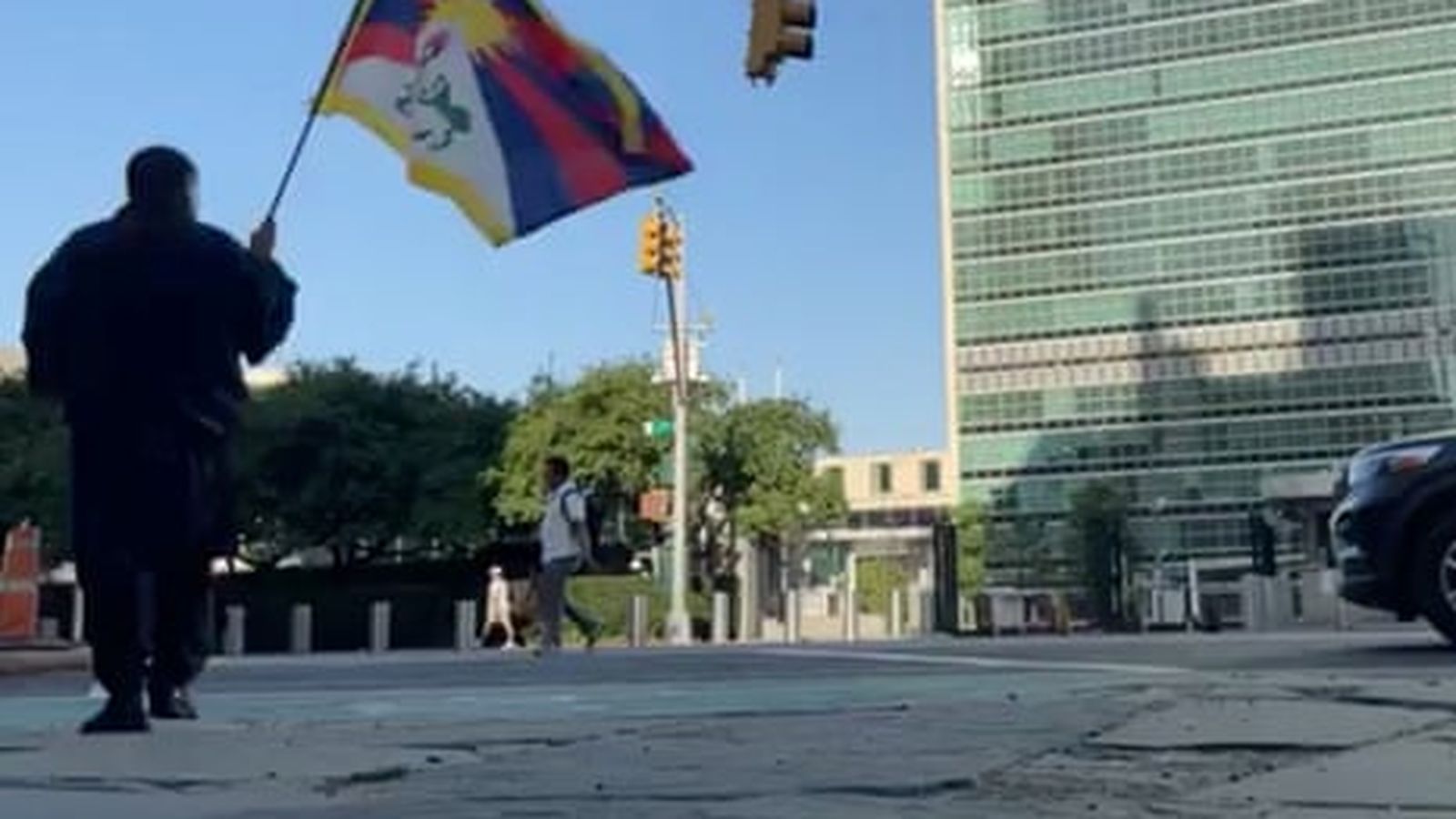
A 52-year-old Tibetan activist, identified as Lobga Rangzen (also known as Lobsang Palden), has died following a self-immolation protest outside the United Nations headquarters in New York. The incident, which occurred on July 2, 2026, drew international attention as the man, an Uber driver by profession, was seen displaying a Tibetan flag before the act.
According to the New York City Police Department, emergency responders were called to the scene near East 43rd Street and First Avenue at approximately 6:30 p.m. ET. Rangzen was transported to Bellevue Hospital in critical condition, where he was later pronounced dead. Surveillance footage from the UN confirmed he had placed a flag associated with the Tibetan independence movement at the site before setting himself on fire.
Context of the Ethnic Unity Law
Advocacy groups and Amnesty International have linked the timing of the incident to the entry into force of China’s new “Ethnic Unity Law” on July 1, 2026. The law, which has drawn widespread condemnation from human rights organizations, is viewed as an instrument to force non-Han ethnic groups—including Tibetans, Uyghurs, and Mongolians—into a state-defined national identity, further restricting cultural and linguistic rights.
Sarah Brooks, Amnesty International’s Deputy Regional Director, stated that the tragedy “reflects the depth of desperation felt by people who see no other way to draw attention to ongoing human rights violations.” She urged the international community to use this moment to renew scrutiny of the human rights crisis in Tibet.
Stakes and Human Rights
The International Campaign for Tibet has described Rangzen as a “tireless advocate.” His death adds to a long history of self-immolation protests by Tibetans, with over 150 such cases recorded between 2009 and 2022. Human rights observers note that these acts are often a response to intensified surveillance, the criminalization of peaceful expression, and the ongoing struggle for autonomy.
While Beijing maintains that its control over the region constitutes a “peaceful liberation” from feudalism, international observers and the government-in-exile based in India argue that the repressive policies have escalated significantly since 2012. Amnesty International is now calling on Chinese authorities to ensure no reprisals are taken against the family of the deceased and to allow independent UN observers access to the region.