


A Rare Concession in Border Policy
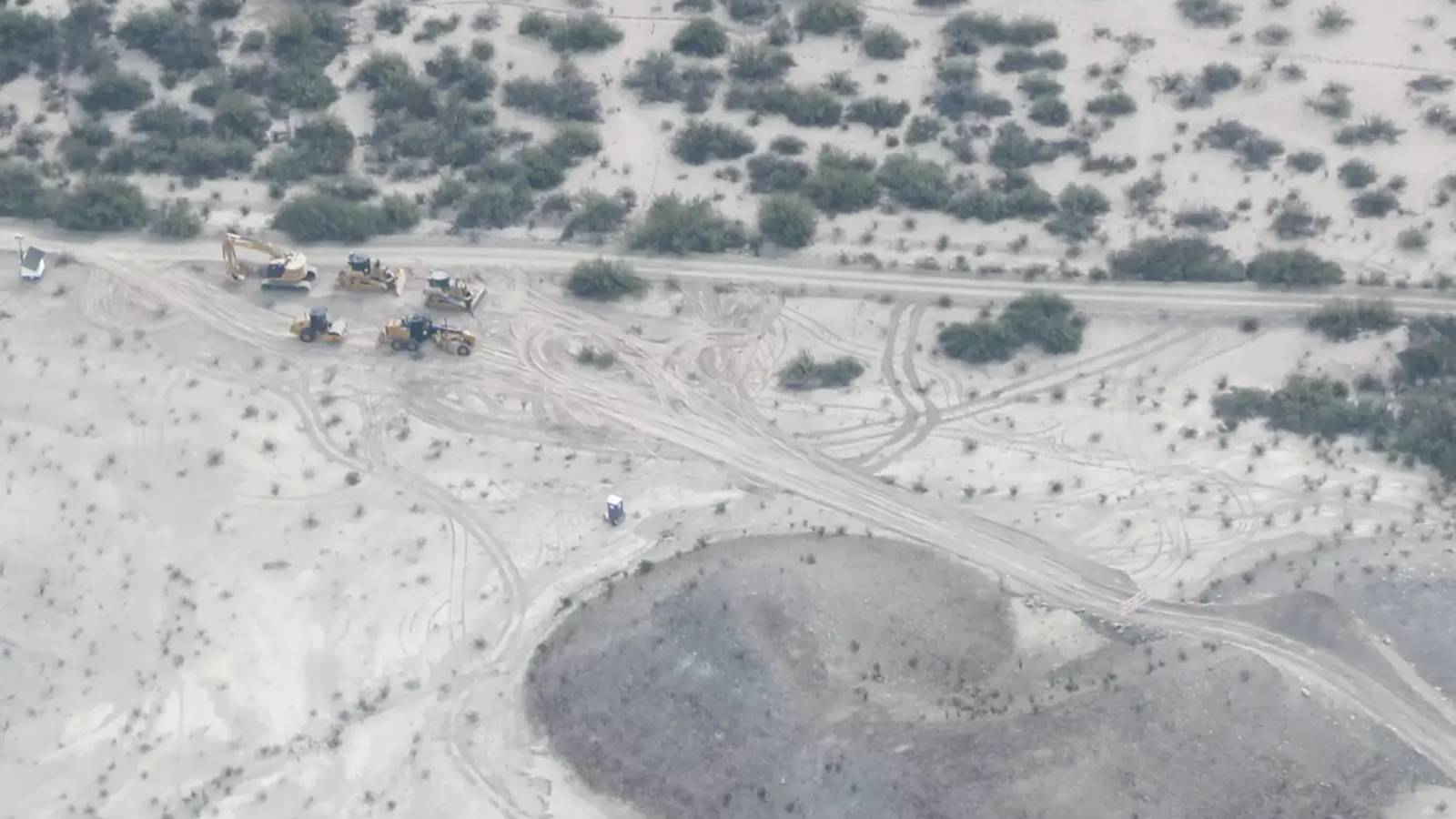
The Trump administration announced on Monday, August 17, 2026, a temporary suspension of border infrastructure construction within Texas’ Big Bend National Park. The move follows escalating bipartisan opposition to the project, which critics argue threatens the ecological integrity of one of the nation’s most remote and pristine landscapes. Rodney Scott, the head of U.S. Customs and Border Protection (CBP), confirmed the pause on social media, stating he would conduct an “on-the-ground evaluation” of the site.
The suspension marks a significant, albeit temporary, pivot for an administration that has aggressively pursued its border wall expansion mandate. Armed with $46 billion in funding approved by Congress last summer, the administration has been utilizing regulatory waivers to accelerate construction efforts across the 2,000-mile border. However, the Big Bend project—which includes roads, lighting, and vehicle barriers—has become a flashpoint for local resistance.
The Weight of Local and Political Backlash
The intensity of the opposition stems from the unique nature of the Big Bend region. Unlike other border sectors, the area is characterized by steep riverbank cliffs and rugged canyons, which local stakeholders and former national park officials argue provide a natural barrier to irregular migration. The recent arrival of bulldozers for “survey and design work” served as the immediate catalyst for public outrage.
Republican Senator John Cornyn, a key voice in the region, formally pressured the Department of Homeland Security (DHS) to halt the project. In his correspondence with DHS Secretary Markwayne Mullin, Cornyn emphasized that the terrain itself acts as an effective deterrent, rendering large-scale industrial barriers unnecessary and environmentally destructive. This pushback has been bolstered by a coalition of sheriffs, environmental groups, and indigenous organizations, some of whom have filed legal challenges to block further development.
Stakes for the Future of the Project
While the pause offers a reprieve, the long-term status of the project remains uncertain. The contract for the work, valued at $1.7 billion, was awarded in May to Southwest Valley Constructors, a subsidiary of the construction firm Kiewet. Observers, including representatives from the “Keep Big Bend Wild” organization, remain cautious. They are seeking not just a temporary halt, but a fundamental modification of plans that would prioritize the preservation of the park’s fragile ecosystem.
As Rodney Scott prepares to meet with local leadership and community stakeholders, the administration faces a delicate balancing act. It must reconcile its aggressive national security objectives with the reality that, in this instance, the political cost—manifested by bipartisan dissent and potential legal hurdles—is mounting. Whether the agency will scale back its plans or merely adjust its tactical approach remains the central question for the coming weeks.