


New Data on JAK Inhibitors
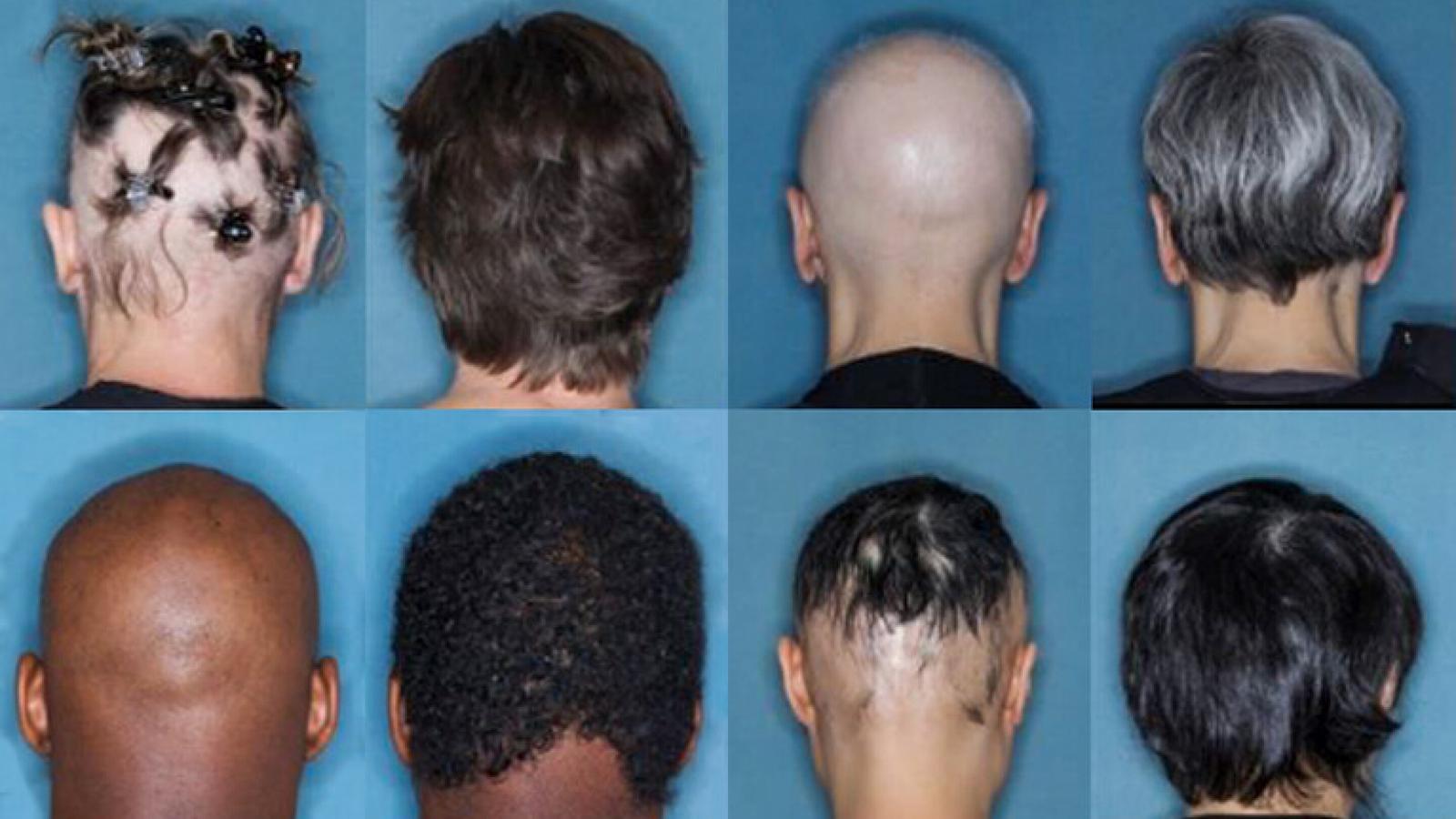
A medication widely prescribed for rheumatoid arthritis, upadacitinib, has demonstrated significant efficacy in treating severe alopecia areata, according to findings published in the journal JAMA Dermatology. The study, which involved 1,399 participants across international clinical centers, suggests that the drug—a Janus kinase (JAK) inhibitor—could offer a new therapeutic path for millions of people worldwide living with the autoimmune hair-loss condition.
Alopecia areata affects an estimated 1 in 50 people globally, totaling over 160 million individuals. The condition occurs when the immune system mistakenly attacks hair follicles, leading to patchy or complete hair loss. Beyond the physical manifestations, the condition is frequently associated with profound emotional distress and a diminished quality of life.
This report draws on information published by medicalxpress.com.
Trial Results and Methodology
The research, conducted through two Phase III trials known as UP-AA1 and UP-AA2, spanned 25 and 28 countries, respectively. Researchers recruited adolescents aged 12 to 17 and adults up to age 64, all of whom presented with a Severity of Alopecia Tool (SALT) score of 50 or higher, indicating at least 50% scalp hair loss.
Participants were randomized into three groups: those receiving 15 mg of upadacitinib daily, those receiving 30 mg, and a placebo group. The results demonstrated a clear dose-response relationship:
- 15 mg dose: Nearly 50% of participants achieved 80% or greater scalp hair coverage within 24 weeks.
- 30 mg dose: More than 54% of participants reached the 80% coverage threshold.
- Placebo: Only 2% of participants achieved similar levels of regrowth.
Beyond scalp hair, researchers noted improvements in eyebrow and eyelash regrowth, as well as positive reports regarding participants’ emotional and social well-being.
Safety and Future Outlook
The trials monitored participants for 24 weeks, followed by a 28-week extension period. Common side effects reported included acne, colds, and upper respiratory tract infections. Serious adverse events were rare, suggesting a manageable safety profile for the medication in the studied population.
While existing treatments for severe alopecia have historically shown limited success, particularly for younger patients, these results position upadacitinib as a robust option. The ability to see early signs of regrowth within eight weeks provides a practical benchmark for clinicians and patients evaluating the effectiveness of the treatment.