


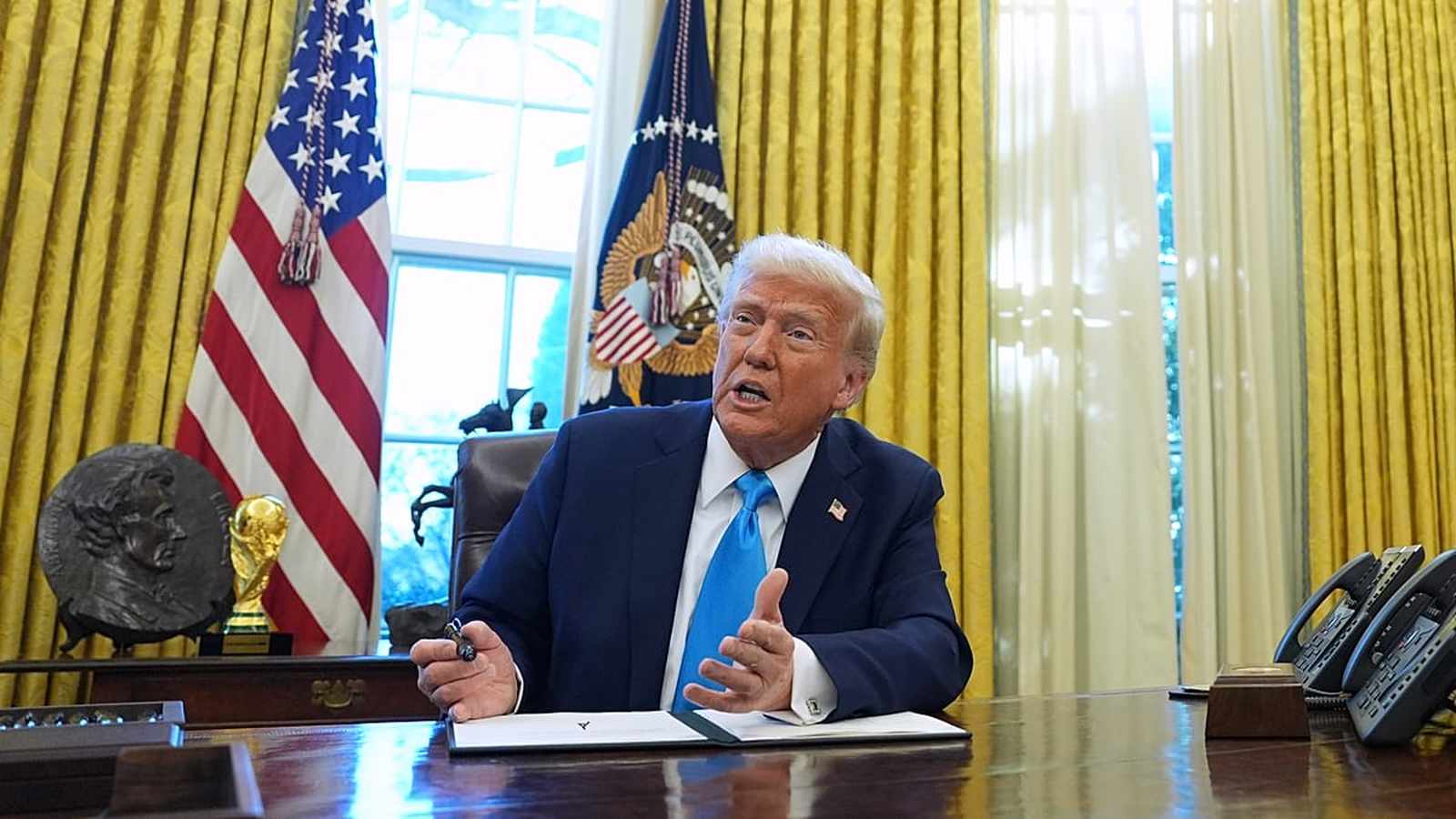
US President Donald Trump has announced that Washington is negotiating a “massive” agreement to import potash fertilizer from Belarus. According to Euronews, the administration aims to secure supplies at costs “substantially less” than those currently provided by Canada, the primary supplier for American farmers.
This move marks a significant pivot in US foreign policy toward Minsk. Despite Belarus’s status as a close ally of Russia and its role in hosting forces for the 2022 invasion of Ukraine, the White House has been pursuing a rapprochement. Negotiations, spearheaded by US envoy John Coale, have reportedly resulted in the pardoning of hundreds of political prisoners by Belarusian President Alexander Lukashenko. In exchange, the US has begun easing sanctions on Belarusian entities, specifically those linked to the state-run producer Belaruskali.
The shift creates a complex geopolitical friction point. While the European Union maintains a strict ban on Belarusian potash and has frozen the assets of Belaruskali due to human rights concerns, the US appears to be prioritizing domestic agricultural costs and trade leverage against Canada. The administration’s rhetoric suggests this deal is part of a broader, intensified trade dispute with Ottawa, utilizing Belarusian resources to undercut North American market pricing.
Belarus remains under heavy scrutiny for its continued military cooperation with Moscow, including the recent authorization of joint nuclear drills. The potential integration of Belarusian potash into the US market signals a willingness by the current administration to set aside regional security and human rights considerations in favor of direct trade concessions.