


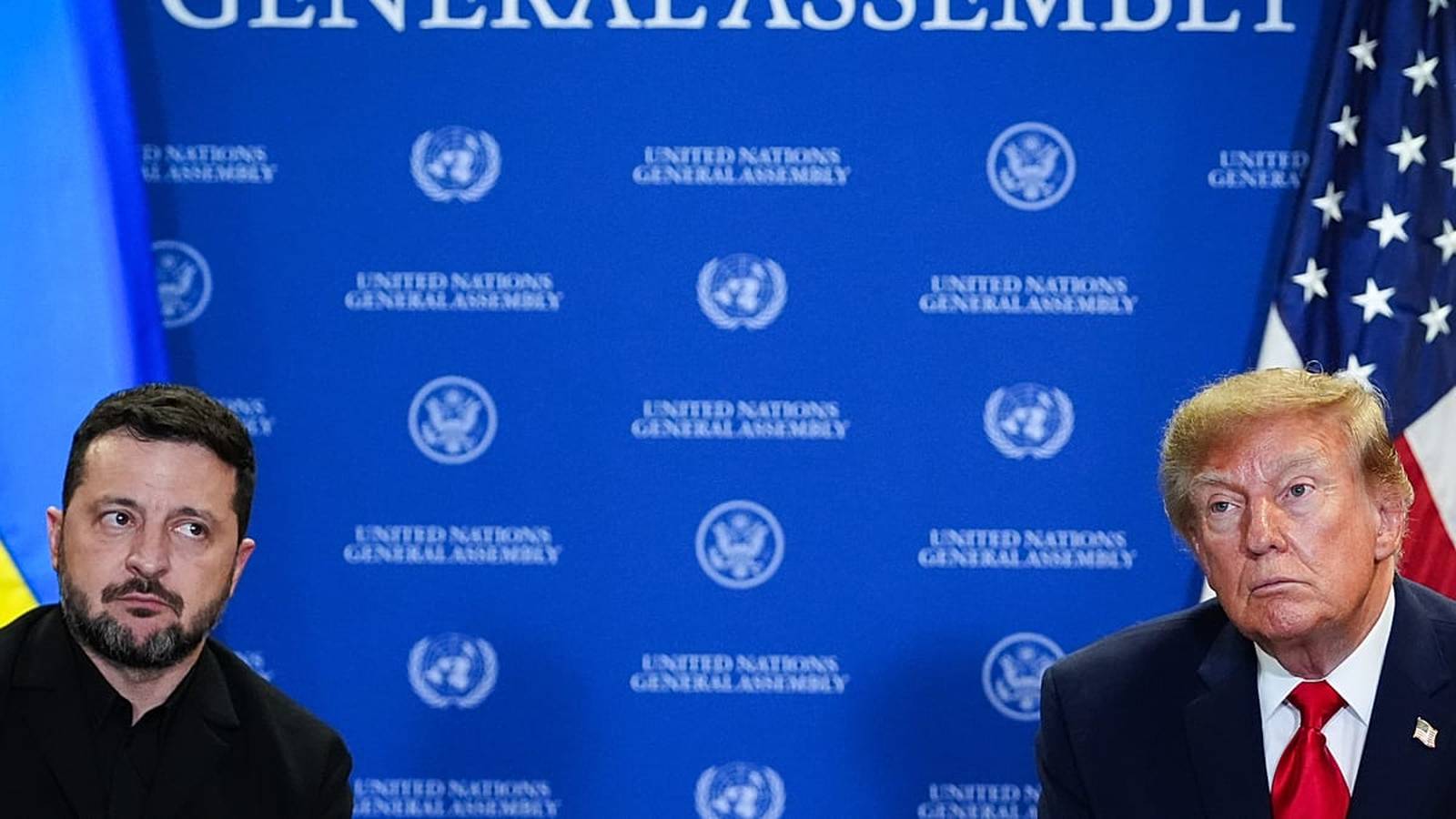
US President Donald Trump has escalated his rhetoric against Ukrainian President Volodymyr Zelenskyy, publicly blaming him for global economic strain as the White House grapples with surging domestic fuel prices ahead of the US midterm elections, according to analysis published by Euronews. The political fallout coincides with a brutal week for Kyiv, marked by mounting fears of Western abandonment, an abrupt US sanctions relief deal on Russian diesel, and a looming winter energy crisis.
With the national average for gas prices in the United States hitting $4.27 a gallon, the cost of living has emerged as a central political liability for the administration. Much of the economic pain stems from the collateral effects of the conflict involving Iran and the disruption of oil shipments through the Strait of Hormuz. Because the administration lacks a quick solution to the energy bottleneck, political pressure has mounted to find external explanations for Americans facing high prices at the pump.
According to Euronews, Trump has turned his focus toward Kyiv, accusing Zelenskyy of creating difficulties for American workers and the global economy. The US president criticized the Ukrainian leader’s wartime attire and diplomatic posture, suggesting Ukraine should seek new leadership. Analysts note that this sharp verbal escalation contrasts with the administration’s cautious stance toward Moscow, reflecting underlying friction over peace negotiations and territorial concessions.
The diplomatic friction unfolded while European leaders gathered in Brussels for a European Council summit, where Zelenskyy arrived seeking to shore up support. Facing destroyed energy infrastructure and ongoing military needs, Ukrainian officials outlined a massive financing requirement for 2027, estimating the total cost of the war effort at €155 billion, with €70 billion expected to be financed directly by European partners.
The proposal has triggered intense debate across European capitals. While EU High Representative Kaja Kallas acknowledged growing public fatigue over the prolonged conflict, far-right figures such as France’s Marine Le Pen have publicly opposed further financial contributions, citing domestic budget constraints. European diplomats have instructed the European Commission to present options by November to bridge the impending funding gap, though viable solutions—such as issuing fresh debt or utilizing frozen Russian assets—remain contentious and difficult to execute.