


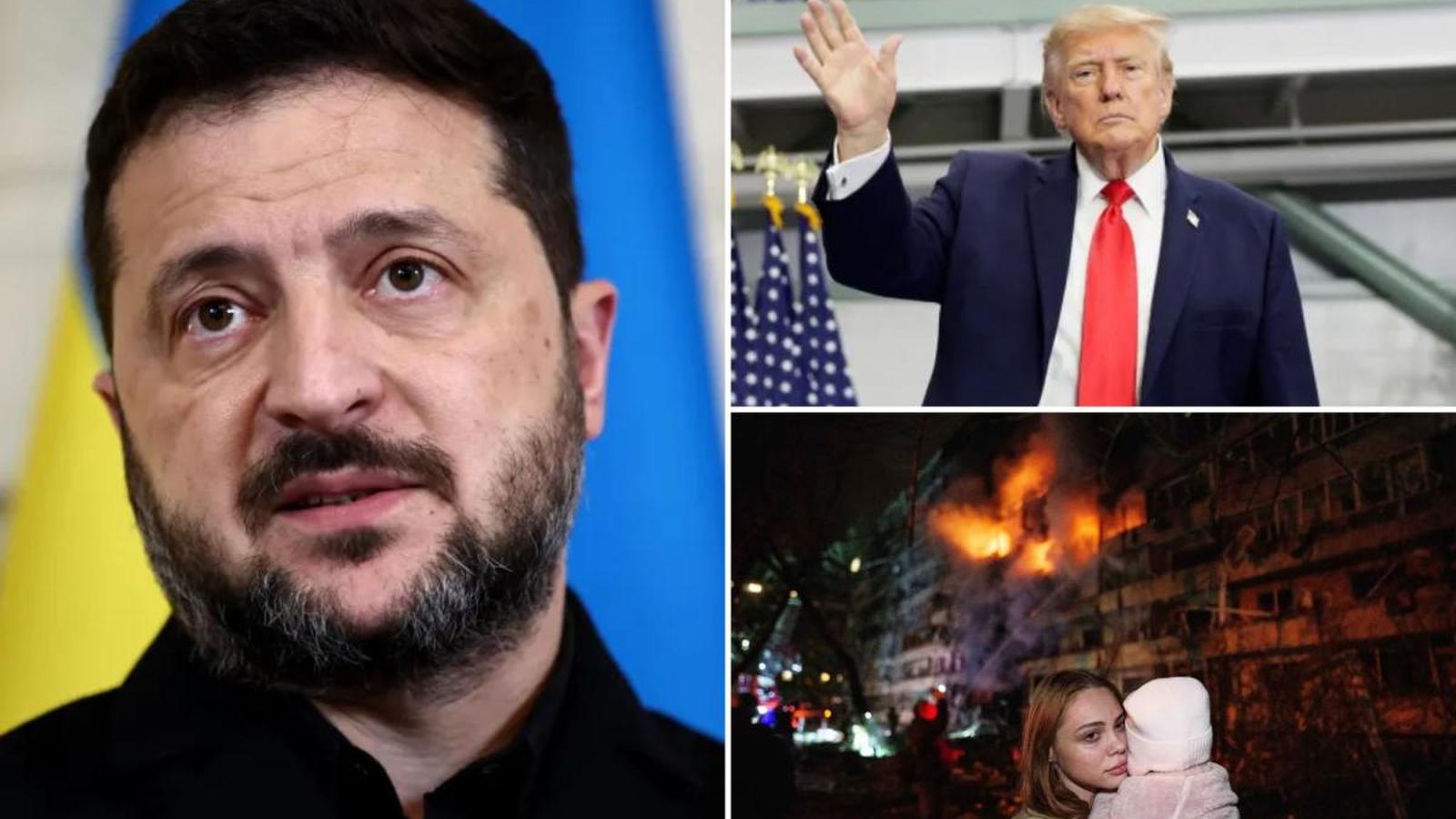
A Shift in Strategic Alignment
Ukrainian President Volodymyr Zelensky has publicly condemned the recent U.S. agreement to import Russian diesel as a “betrayal,” warning that the deal grants Russian President Vladimir Putin an “easy victory.” Speaking to New York Post, Zelensky stated that President Donald Trump has chosen the “wrong side of history” by prioritizing energy imports over the strategic needs of a key ally. The deal, announced last week, permits the import of over 300,000 metric tons of Russian diesel, a move that critics argue undermines long-standing Western sanctions intended to restrict Moscow’s war revenue.
While the White House has framed the initiative as an “energy ceasefire,” Zelensky emphasized that the agreement is asymmetrical in practice. Despite Kyiv’s adherence to a temporary pause in drone strikes on Russian oil infrastructure, Russian forces have continued to target Ukrainian energy facilities, including gas stations and civilian infrastructure. “It’s the worst version of peace,” Zelensky noted, adding that Ukraine remains committed to protecting its population during the winter months despite the perceived abandonment by its primary strategic partner.
Military Operations and Technical Disruptions
Beyond the energy deal, tensions between Kyiv and Washington have escalated over reports of restricted access to the military version of the Starlink internet system. Ukrainian officials allege that the service was limited without warning during critical combat drone operations. Zelensky directly addressed these disruptions, stating that the decision has led to unnecessary human losses. “It’s a big mistake,” he said, questioning whether the outage was a deliberate policy move or a technical failure, while urging for immediate restoration of service.
Analysts at the Council on Foreign Relations suggest this pattern of policy shifts signals a broader, more dangerous realignment in U.S. foreign policy. Reports indicate that U.S. envoys have pressured Kyiv to unilaterally halt strikes on Russian energy targets, with some officials warning of potential cuts to intelligence sharing and weapons support. This approach has left Ukrainian leadership struggling to navigate a shifting diplomatic landscape where public expressions of gratitude are increasingly met with U.S. hostility.
Congressional and International Scrutiny
The administration’s move has drawn sharp criticism from U.S. lawmakers, who remain concerned about the legality and long-term implications of the diesel deal. The lack of prior consultation with European allies has further complicated the situation, with NATO leadership remaining largely silent despite the internal discord. As the administration continues to frame Zelensky as the primary obstacle to peace, the future of the U.S.-Ukraine partnership remains increasingly uncertain, casting a shadow over upcoming diplomatic engagements.