


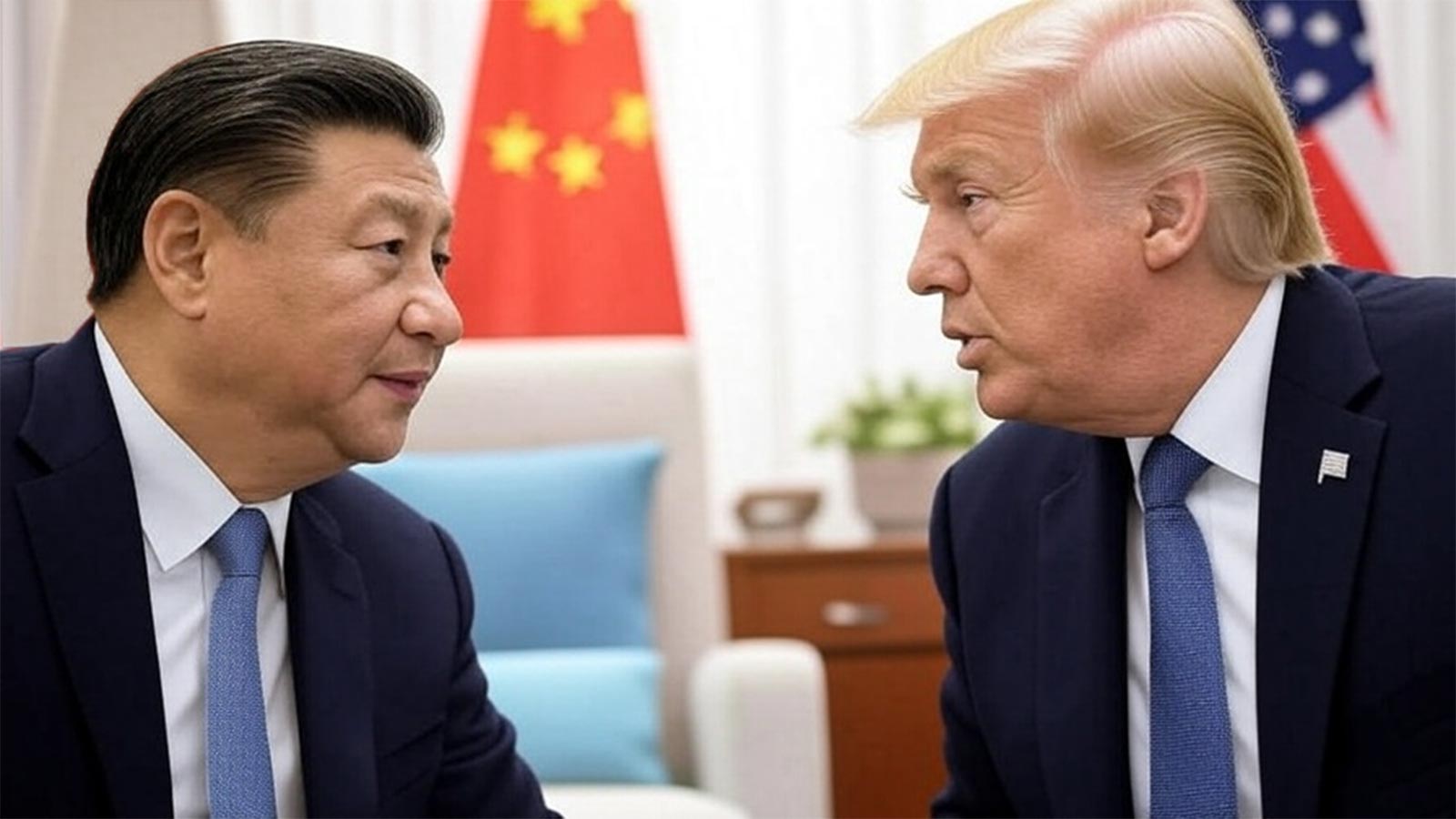
WASHINGTON (Azat TV) – President Donald Trump has initiated direct outreach to China, requesting assistance in securing the Strait of Hormuz, a critical energy chokepoint currently paralyzed by the escalating conflict between the United States, Israel, and Iran. This unprecedented diplomatic pivot follows a firm rejection from European leaders, who have refused to commit naval assets to the region, citing a desire to avoid being drawn into an open-ended Middle Eastern war.
A Shift in Strategic Alliances
The move comes as the global energy market faces extreme volatility following the effective closure of the waterway. During a White House briefing on Monday, President Trump expressed growing frustration with traditional Western partners, stating he had demanded approximately seven nations contribute warships to safeguard commercial shipping. However, the European Union’s foreign policy chief, Kaja Kallas, signaled a unified European stance, declaring that the conflict is not a matter for the EU or NATO to resolve militarily.
The Stakes of the Energy Crisis
The decision to engage Beijing to fill the security vacuum highlights the deepening divide between Washington and its transatlantic allies. As drone and missile strikes continue to target oil infrastructure in the UAE and Qatar, the disruption to global supply chains has intensified. The Strait of Hormuz remains the primary artery for Gulf energy exports, and its instability threatens to exacerbate an already precarious global energy crisis. President Trump has indicated that the urgency of the situation has forced him to consider delaying his planned summit with Chinese President Xi Jinping, prioritizing the stabilization of the regional maritime corridor instead.
Regional Escalation and Diplomatic Isolation
The diplomatic friction occurs against a backdrop of intensified military engagements. Israeli forces have launched broad strikes against Iranian targets in Tehran, while the UAE reported temporary airspace closures and damage to critical oil infrastructure following Iranian retaliatory attacks. Despite the rising death toll and the displacement of over one million people in Lebanon, Western leaders—including those from Germany, France, and the UK—have issued joint warnings against a large-scale Israeli ground invasion, further distancing their strategic objectives from the current US-led military campaign.
The overture to China represents a pragmatic, if desperate, acknowledgment by the White House that traditional Western security architecture is currently unwilling to bear the cost of protecting global energy flows, potentially signaling a new era where regional security is managed through transactional, non-traditional coalitions rather than historical alliances.