


Executive Order and Sanctions Relief
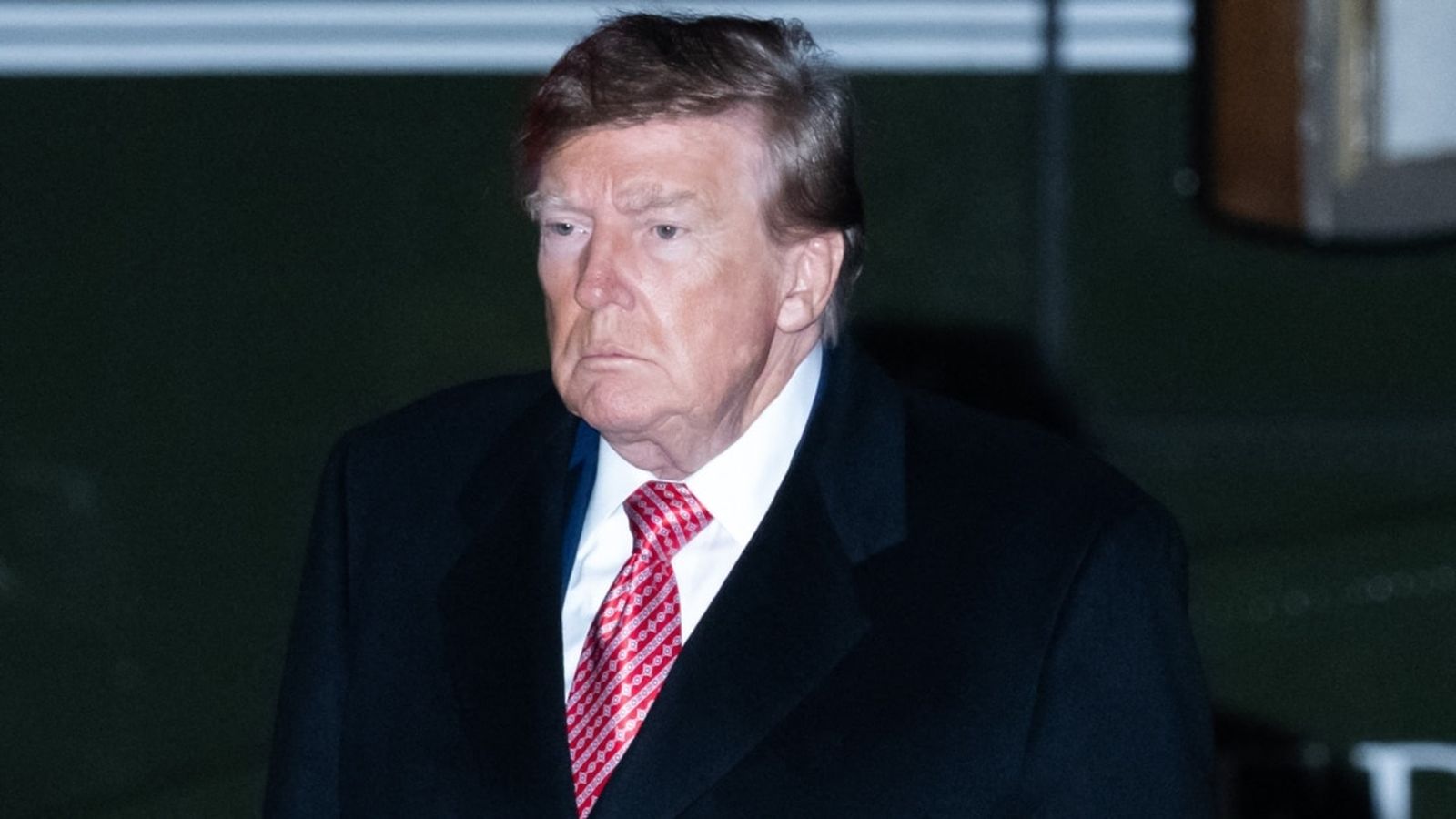
US President Donald Trump defended his decision to waive broad new sanctions on Russia, arguing that maintaining diplomatic engagement with Moscow is essential to peace negotiations. Writing on Truth Social on October 18, Trump stated that his administration is actively working to negotiate an end to the war and wants to avoid driving Russia away from the bargaining table, according to reporting by Deutsche Welle.
The executive order, signed late Friday, overrides sweeping provisions mandated by legislation named after the late Senator Lindsey Graham. The package was originally designed to curb Russian energy revenue by imposing heavy tariffs on major oil and gas importers. In addition to pausing those measures, the White House granted temporary relief on Russian diesel transactions to facilitate fuel flows into global markets.
Domestic Pressures and Political Stakes Ahead of Midterms
The policy shift comes less than three weeks before the November 3 US midterm elections, where control of both the House and Senate remains closely contested. Republicans face mounting voter frustration over domestic fuel prices, which have surged significantly since the onset of the conflict in Iran earlier in the year. While the administration frames the diesel relief as a vital measure to stabilize costs, most economists suggest the suspension of congressional sanctions will have minimal impact on retail pump prices.
President Trump also renewed his criticism of Ukrainian military tactics, alleging that Kyiv’s drone strikes against Russian oil refineries are deliberately intended to hurt Republican electoral prospects by exacerbating energy shortages. The administration’s focus on immediate domestic relief has intensified tensions with Capitol Hill lawmakers who originally championed the bipartisan sanctions package.
Kyiv’s Warning and Growing Diplomatic Friction
The sanctions pivot has triggered an acute public breach between Washington and Kyiv. Ukrainian President Volodymyr Zelenskyy warned during an interview on NBC’s ‘Meet the Press’ that Ukraine cannot prevail if the United States shifts its support toward Moscow. Zelenskyy called a potential withdrawal of US backing “a historic mistake and big tragedy,” while acknowledging that Washington recently resumed intelligence sharing after a brief interruption that left Ukrainian forces without critical ballistic missile tracking data for three days.
Zelenskyy also spoke directly with US envoys Steve Witkoff and Jared Kushner as reciprocal energy infrastructure attacks escalated across the region. According to Radio Free Europe / Radio Liberty, the diplomatic friction coincides with intense military escalation. Moscow launched multiple ballistic missiles at Kyiv, striking a medical center and killing at least one person, while regional authorities reported that tens of thousands were left without power ahead of the winter heating season.
Broader Economic Context and Diplomatic Repercussions
The divergence between Washington and European allies has widened as Moscow attempts to use the diesel agreement as a blueprint for broader economic normalization. Kirill Dmitriev, a top investment envoy for Russian President Vladimir Putin, publicly stated that the diesel transaction model could pave the way for lifting other sector-specific restrictions, specifically targeting banking and chemical industries. These remarks reinforced deep anxieties in Kyiv that bilateral energy compromises could eventually dismantle the broader architecture of Western sanctions constructed since the full-scale invasion in February 2022.
Ukrainian officials have repeatedly cautioned that easing trade barriers provides the Kremlin with vital fiscal resources to sustain its military campaign. Meanwhile, Russian Deputy Prime Minister Alexander Novak noted that commercial contract finalization is underway, estimating that shipments could reach American markets within fifteen to twenty days once terms are formally agreed upon. Secretary of State Marco Rubio defended the White House approach, asserting that the administration is evaluating the specific economic repercussions on domestic markets while attempting to foster a viable diplomatic track.
Escalating Energy Warfare and Regional Fallout
On the ground, the military conflict has intensified around critical infrastructure sites. Ukrainian forces launched one of their largest drone operations of the conflict, deploying over a thousand unmanned aerial systems across multiple Russian regions. These strikes targeted storage facilities and export hubs, including terminals near Saint Petersburg, sparking large fires and compounding logistical challenges for the Russian energy sector.
In retaliation, Russian forces launched heavy missile and drone bombardments against Ukrainian population centers and power networks. Local officials confirmed significant utility disruptions affecting tens of thousands of residents just as winter weather approaches. The widening friction between the White House and Kyiv over military tactics, intelligence channels, and economic policy demonstrates the immense strain facing the transatlantic alliance as diplomatic efforts struggle to achieve any substantive breakthrough.