


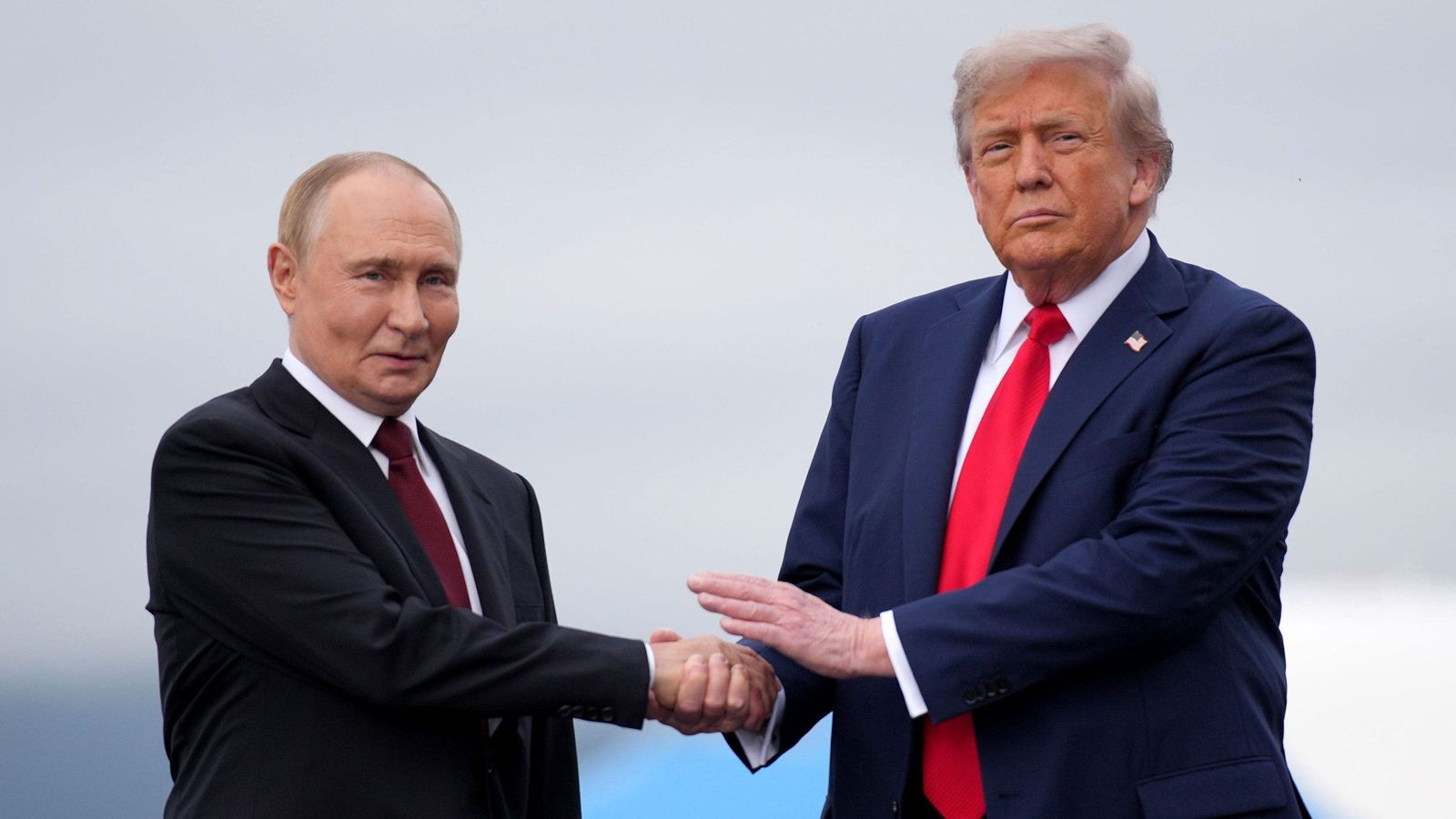
President Donald Trump announced the agreement on Oct. 9, 2026, following a telephone conversation with Russian President Vladimir Putin. Under the arrangement, the U.S. Treasury Department issued General License 135, temporarily authorizing transactions involving Russian-origin diesel through April 7, 2027. The administration defended the move as a dual-purpose measure to relieve high fuel costs for consumers and demonstrate to Moscow the economic benefits of improved bilateral relations.
Capitol Hill Pushback and the October 18 Sanctions Deadline
Lawmakers have mounted a rapid legislative and political counteroffensive against the arrangement. A bipartisan group of 12 senators—including six Republicans and six Democrats—formally urged President Trump this week to rescind the waiver. Concurrently, a separate bipartisan coalition of 22 House members filed measures Thursday seeking to revoke the Treasury authorization.
The congressional resistance coincides with an approaching Oct. 18, 2026, deadline to begin implementing the Lindsey O. Graham Sanctioning Russia and Iran Act of 2026, a sweeping sanctions package enacted in September. Critics on Capitol Hill argue that bypassing statutory penalties to permit Russian energy revenue directly undermines congressional intent and finances the Kremlin’s military operations in Ukraine.
Energy Impact and Market Skepticism
Energy experts and market analysts have expressed skepticism over whether the agreed diesel volumes can meaningfully influence global prices or provide substantial new revenue for Moscow. Trump stated that the arrangement would release more than 300,000 metric tons of diesel immediately to the global market, followed by 500,000 tons in November and subsequent increases.
However, analysts point out that ongoing Ukrainian infrastructure strikes have severely constrained Russia’s export capacity. Sergey Vakulenko, a senior fellow at the Carnegie Russia Eurasia Center, estimated that Russian monthly diesel exports dropped from approximately 3 million tons in April to about 325,000 tons by September. While the relief could improve commercial shipping terms for Russian exporters by $30 to $40 per ton, the net volume available remains a fraction of global demand.
Masha Kotkin, a fellow at the Center for Strategic and International Studies, told Fox News that the amounts provided would represent “a drop in the bucket compared to global demand” and would likely have a negligible impact on domestic pump prices in the United States.
Diplomatic Friction and the Path Forward
The diesel dispute has exacerbated diplomatic tensions involving Kyiv. While the White House sought to pair the economic opening with a proposed energy ceasefire, fighting has intensified. Russian forces launched extensive missile and drone strikes against Ukrainian energy infrastructure this week, leaving hundreds of thousands without power. Meanwhile, Ukrainian forces resumed attacks on Russian oil facilities after asserting that Moscow failed to honor the proposed pause.
John Hardie, deputy director of the Russia Program at the Foundation for Defense of Democracies, warned that offering economic concessions ahead of a formal negotiated settlement could encourage the Kremlin to harden its demands rather than compromise, signaling political division between Washington and Kyiv.