


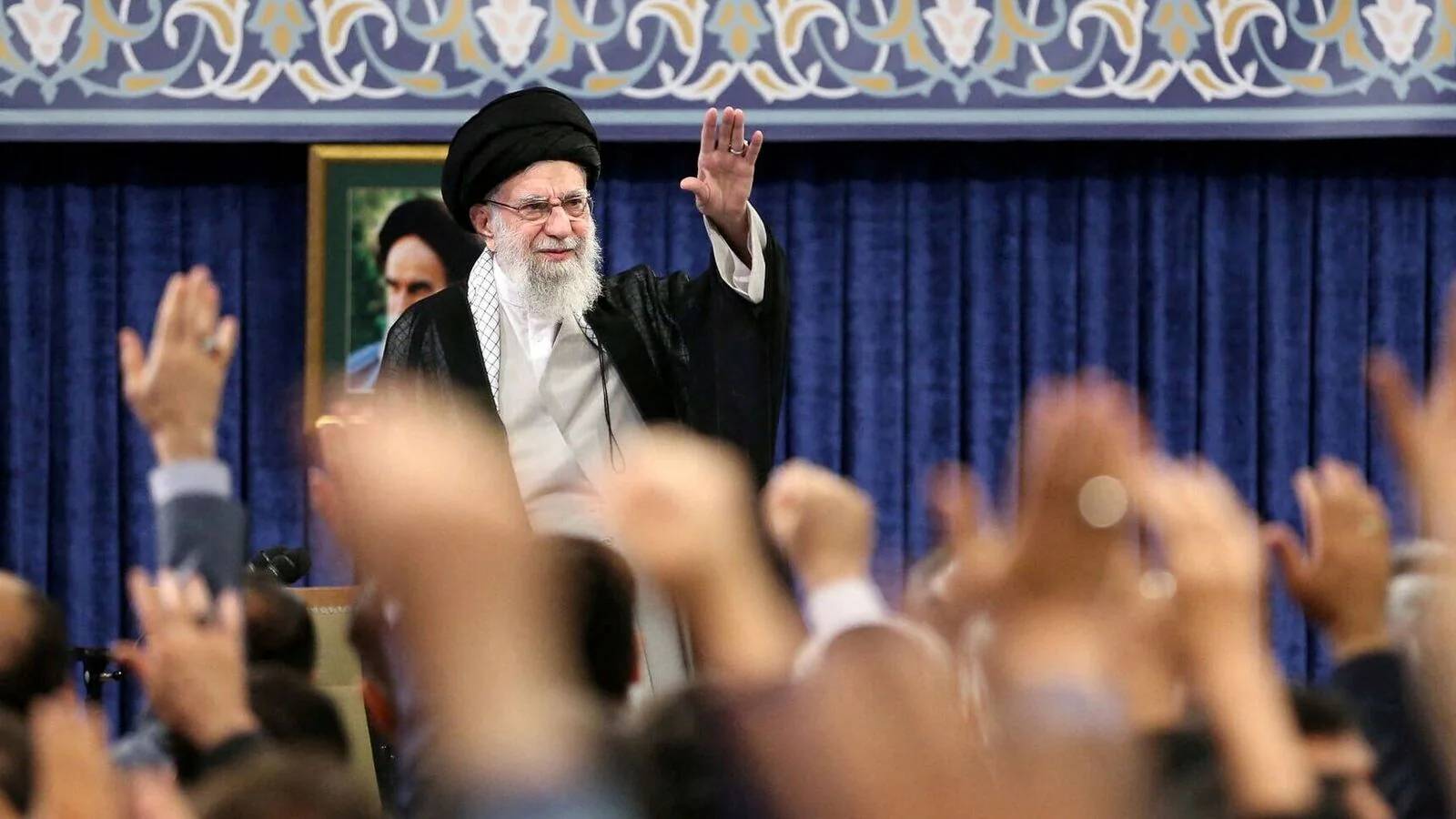
Quick Read
- Trump vetoed an Israeli plan to assassinate Iran’s Supreme Leader Ayatollah Ali Khamenei.
- The decision aims to avoid escalating the already tense Israel-Iran conflict.
- Israeli PM Benjamin Netanyahu neither confirmed nor denied the reports.
- Trump emphasized de-escalation and predicted a future deal between Israel and Iran.
In a significant move to prevent further escalation in the Middle East, President Donald Trump vetoed an Israeli proposal to assassinate Iran’s Supreme Leader Ayatollah Ali Khamenei, according to senior U.S. officials. The decision, made in recent weeks, underscores the delicate balance the U.S. is attempting to maintain in the region amid rising tensions between Israel and Iran.
Trump’s Decision to Veto the Plan
The proposal, presented by Israel’s top officials, outlined a plan to eliminate Ayatollah Khamenei, a move that could have drastically intensified the conflict. However, Trump’s administration rejected the idea, with one senior U.S. official stating, “Have the Iranians killed an American yet? No. Until they do, we’re not even talking about going after the political leadership,” as reported by Livemint.
While it remains unclear whether Trump was directly involved in the decision-making process, reports suggest he has been in frequent contact with Israeli Prime Minister Benjamin Netanyahu since the Israel-Iran conflict began escalating. The White House’s stance reflects a broader strategy to avoid actions that could destabilize the region further.
Netanyahu’s Ambiguous Response
Following the reports, Netanyahu neither confirmed nor denied the existence of the plan. During an interview with Fox News, he dismissed the claims, stating, “There are so many false reports of conversations that never happened, and I’m not going to get into that,” as cited by Nbcbayarea. This ambiguity has left many questions unanswered about the extent of Israel’s intentions and the U.S.’s role in shaping the conflict’s trajectory.
Regional Implications and Trump’s Predictions
The rejection of the assassination plan comes as Iran continues to threaten U.S. military installations in the Middle East, accusing the U.S. of supporting Israel’s defense against Iranian airstrikes. Trump, however, has emphasized de-escalation, predicting that Israel and Iran will “soon” reach a deal to end their hostilities. In a social media post, he stated, “Iran and Israel should make a deal, and will make a deal,” as reported by Scrippsnews.
Trump’s administration has been cautious about actions that could inflame the conflict, particularly given the potential for broader regional instability. The U.S. has been actively involved in mediating the situation, with Trump drawing parallels to his past efforts in de-escalating conflicts between India and Pakistan, as well as Serbia and Kosovo.
The veto of the Israeli proposal highlights the U.S.’s commitment to preventing further escalation in the Middle East. As tensions between Israel and Iran continue to simmer, the international community watches closely, hoping for a diplomatic resolution to the crisis.