


Conflicting Narratives on Diplomacy
As military strikes between the United States and Iran have largely paused, a new battle of narratives has emerged. President Donald Trump, meeting with Israeli Prime Minister Benjamin Netanyahu at the White House on Tuesday, claimed that peace negotiations with Tehran are currently underway. However, Iranian Foreign Ministry spokesperson Esmaeil Baghaei flatly contradicted this, stating, “We have no negotiations with the United States at present.”
The discrepancy highlights the deep mistrust defining the current conflict. While the U.S. suggests that Tehran requested a pause to facilitate dialogue, Iranian officials, including Deputy Foreign Minister Kazem Gharibabadi, have rejected the notion of “begging” for talks. Tehran maintains that it will not permit the United States to dictate the timeline of war and peace.
The Strait of Hormuz: A New Financial Compromise?
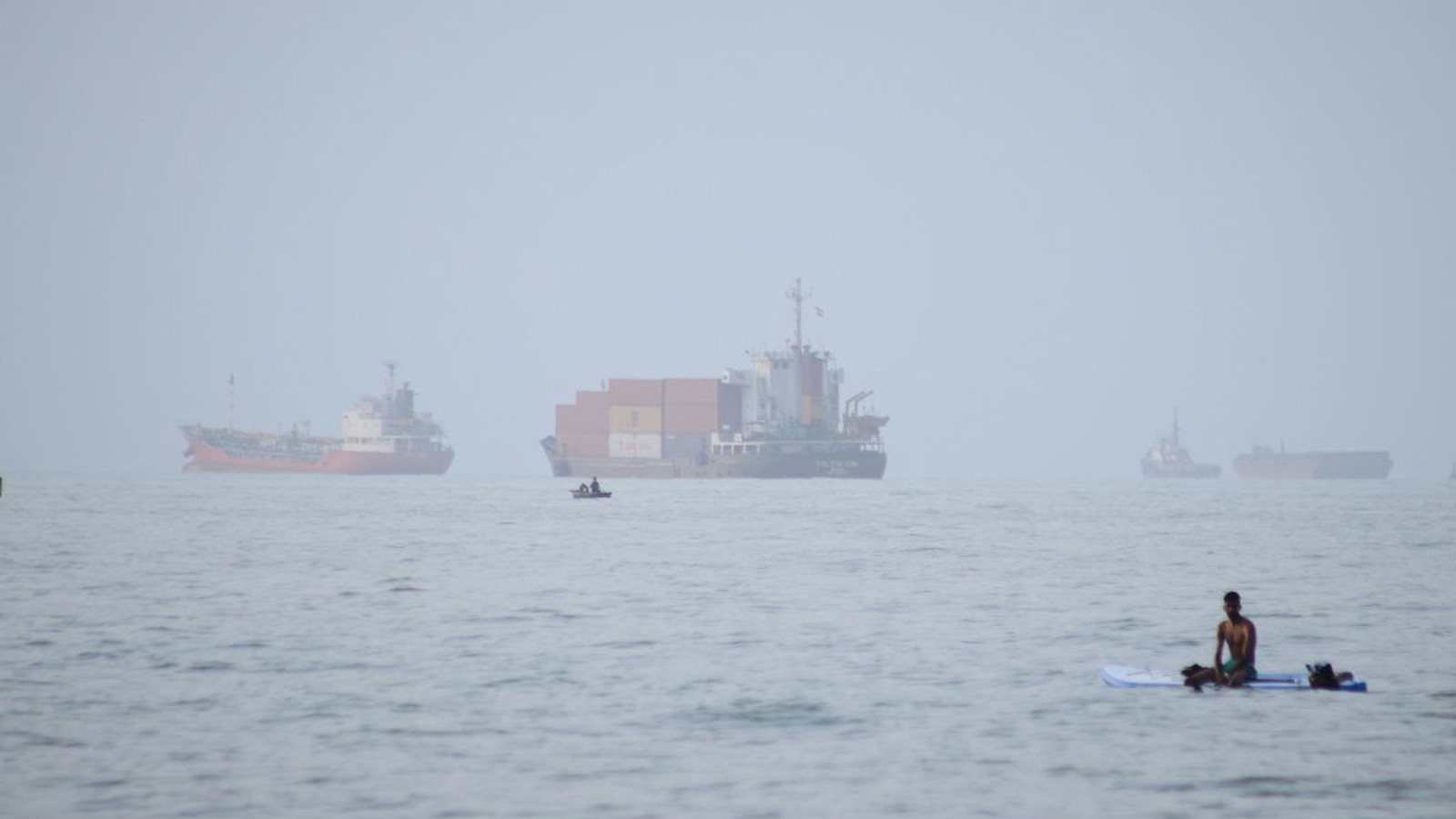
Central to the diplomatic maneuvering is the future of the Strait of Hormuz. Iran has threatened to block ships belonging to nations using frozen Iranian assets, a move that would jeopardize global energy transit. In response, Oman has emerged as a key mediator, exploring a voluntary fee-based system for the waterway, modeled after the Strait of Malacca. Such a framework would allow for non-mandatory contributions for navigation and search-and-rescue services, potentially addressing Iranian revenue demands without violating international maritime law. While the U.S. has previously expressed skepticism toward transit fees, the proposal remains a focal point for regional stability.
Defense Production and Economic Strain
Despite U.S. claims that Iran’s defense industrial base is near collapse, Iranian officials report that production lines are “more active than ever.” Acting Defense Minister Majid Ebnolreza asserted that strikes on strategic facilities have failed to degrade their ballistic missile and air-defense capabilities. Simultaneously, the domestic impact of the war is growing; the Iranian government reported a loss of 230 million cubic meters per day in natural gas production, leading to public warnings about potential energy shortages.
Humanitarian and Regional Context
The conflict continues to exact a heavy toll. Human rights groups report that Tehran has executed two protesters linked to nationwide unrest, signaling a hardening of internal policy. Meanwhile, the arrival of medical supplies for 44,000 dialysis patients—following the release of the M/V Touska vessel—provides a rare point of humanitarian relief. As regional actors like Saudi Arabia and Jordan report drone incursions, the diplomatic efforts led by Oman and the ongoing high-level discussions in Washington underscore a fragile, high-stakes environment where a singular miscalculation could reignite large-scale hostilities.