


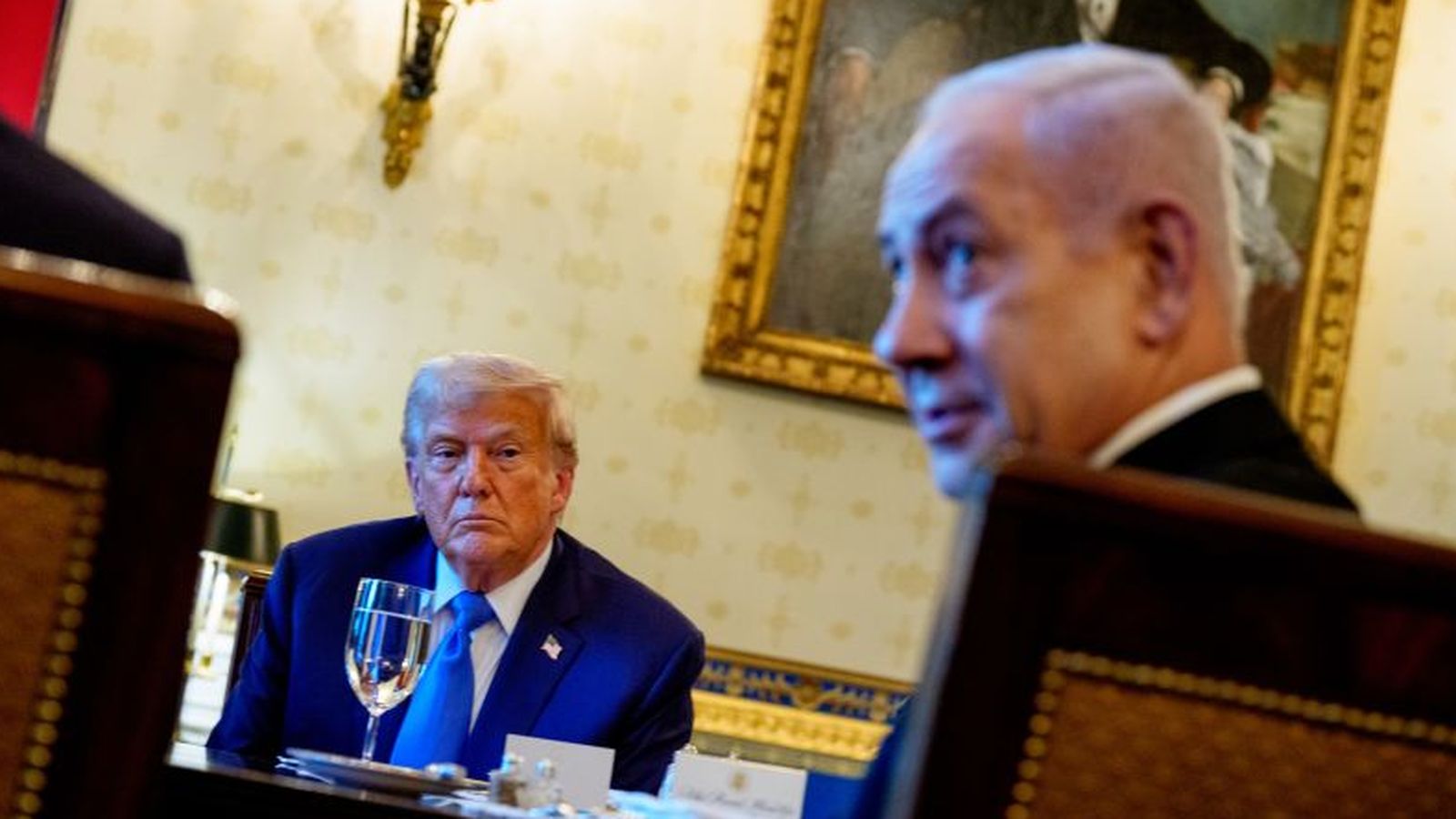
A Strained Alliance at the White House
Israeli Prime Minister Benjamin Netanyahu met with President Donald Trump at the White House this week, marking their first face-to-face encounter since the initiation of the joint military campaign against Iran in February 2026. The meeting takes place as both leaders face mounting domestic pressures and a visible shift in the once-unified strategic front between Washington and Jerusalem.
While officials from both sides have characterized the relationship as fundamentally strong, the atmosphere of the meeting reflects significant friction. Reports indicate that private interactions have grown increasingly tense, with President Trump expressing frustration over the lack of a decisive outcome in the conflict and the economic strain it has placed on the United States ahead of the November midterm elections.
Divergent War Aims
The primary point of contention remains the endgame for the conflict with Tehran. While Netanyahu has consistently advocated for sustained military pressure to ensure the dismantling of Iran’s nuclear infrastructure, the Trump administration has increasingly prioritized diplomatic channels. President Trump has publicly and privately signaled a preference for avoiding prolonged military engagements, even as he threatens further action if current negotiations fail.
Disagreements have also extended to regional security concerns. Israeli officials have voiced opposition to potential U.S. plans to sell advanced F-35 fighter jets to Turkey, citing concerns over the erosion of Israel’s qualitative military edge. Furthermore, the U.S.-Saudi civil nuclear agreement remains a point of anxiety in Jerusalem, where leaders fear it could trigger a regional nuclear arms race.
Managing the Ground Reality
Netanyahu’s visit serves as an attempt to regain influence over the war’s trajectory. Israeli analysts suggest that the Prime Minister has been sidelined as Washington has taken the lead in managing the conflict’s diplomatic components. To demonstrate cooperation and avoid further friction, Israel has implemented specific concessions, including a pilot program for the deployment of the Lebanese army in southern areas and the authorization of an international stabilization force for a limited zone in Rafah, Gaza.
Despite these steps, the political landscape remains volatile. With Netanyahu facing a challenging reelection bid in October and declining bipartisan support for Israel within the U.S. Congress, the meeting serves as a high-stakes effort to recalibrate the alliance before the conflict enters its next phase.