


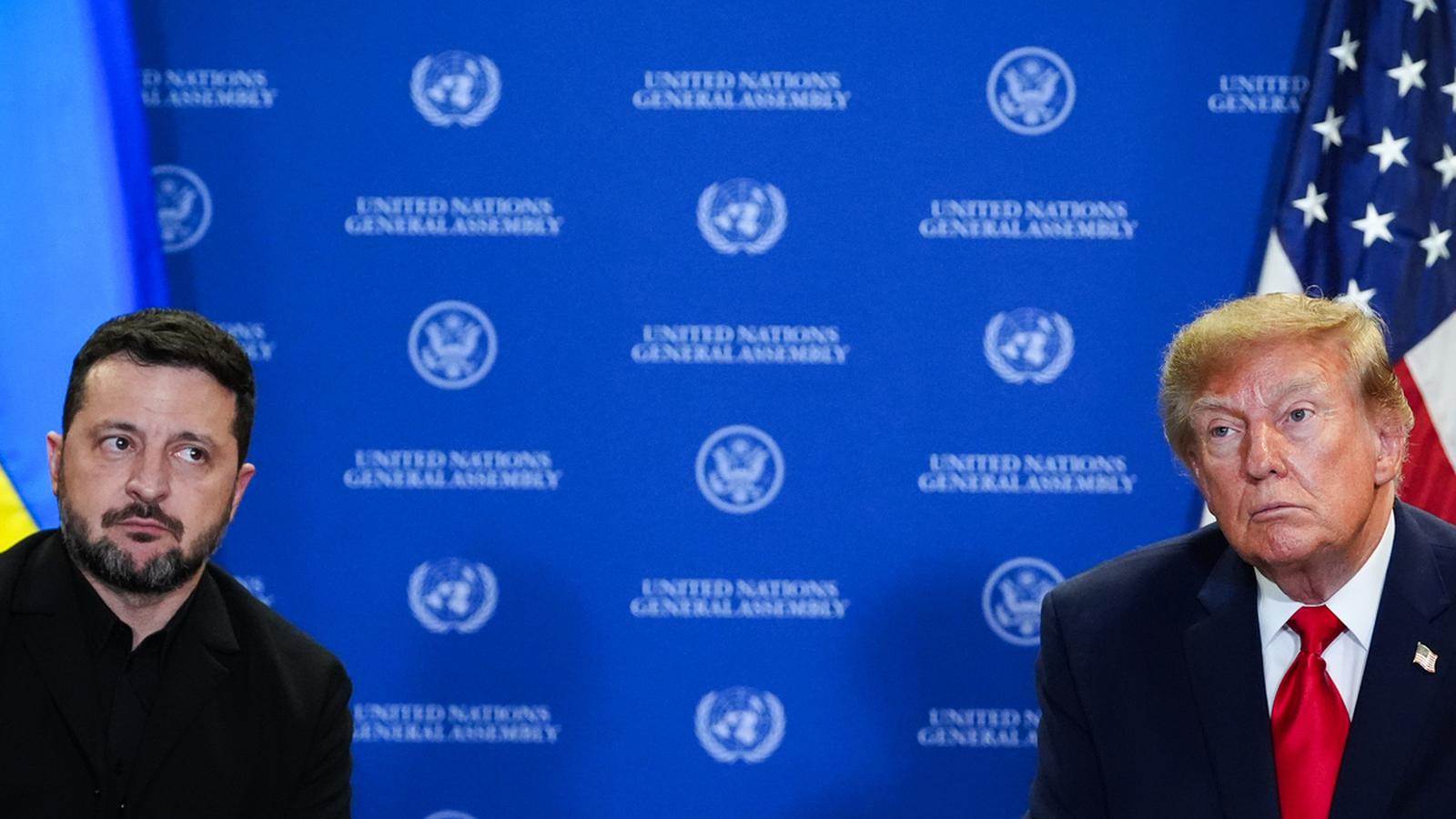
The Breakdown Over Refinery Strikes
According to an anonymous U.S. official speaking to Axios, President Trump asked Ukrainian leadership six times to cease targeted drone strikes on Russian oil refineries. Washington maintained that these successful Ukrainian operations were triggering an energy crisis within Russia, leading to a domestic diesel export ban that exacerbated already volatile global fuel markets and drove up gasoline prices for American consumers. U.S. mediators, including special envoy Steve Witkoff and Jared Kushner, communicated to Kyiv that actions harming American pocketbooks were unacceptable, though they denied threatening to cut off U.S. intelligence sharing if the operations continued.
Ukrainian President Volodymyr Zelensky countered that stopping the refinery strikes was conditional upon Russia simultaneously halting its devastating bombardments of Ukrainian power plants and critical infrastructure. Following the rejection of repeated American appeals, President Trump held a direct phone call with Russian President Vladimir Putin to negotiate a direct supply arrangement. Under the terms outlined by officials, Russia will immediately provide 300,000 tons of diesel to the United States and international markets, followed by an additional 500,000 tons in November and one million tons shortly thereafter, in exchange for lifting specific sanctions on Russian diesel exports.
Diplomatic Fallout and Miami Security Talks
The sudden arrangement drew sharp condemnation from Kyiv. President Zelensky pushed back publicly against the agreement, characterizing it as “neither fair nor honest” and describing the pact as an undeserved gift to the Kremlin that undermines collective pressure on Moscow. Ukrainian officials expressed surprise that Washington would pursue energy cooperation with Russia while the war continues, arguing that it weakens Western leverage.
Simultaneously, high-level diplomatic delegations from the United States, Ukraine, major European nations, the European Union, and NATO convened in Miami to discuss broader frameworks for ending the conflict before the winter months. Special envoy Steve Witkoff noted on social media that the talks were constructive, focusing heavily on concrete security guarantees that Washington, Europe, and NATO would extend to Ukraine in a post-war scenario. Negotiators also reviewed new proposals addressing territorial disputes, a roadmap for Ukraine’s eventual accession to the European Union, and reconstruction financing designed to rebuild the nation’s shattered military and infrastructure.
Economic and Strategic Ramifications
The dual track of securing Russian energy resources while simultaneously negotiating security architectures for Ukraine highlights the complex balancing act pursued by the White House. While U.S. officials framed the energy deal as a practical mechanism to lower domestic fuel costs and incentivize broader Russian concessions, critics and regional allies warn of strategic pitfalls. Putin reportedly declined to commit to immediate formal peace talks during the exchanges, citing ongoing Ukrainian military actions, though American mediators maintain that Moscow remains open to future diplomatic engagement.
As winter approaches, the intersection of global energy supply chains, domestic American economic pressures, and allied security guarantees will test the durability of Washington’s strategy. The friction over energy deals underscores the widening gap between immediate U.S. consumer priorities and Ukraine’s existential defense imperatives, leaving international negotiators searching for a stable framework that can satisfy all participating actors.