


Strategic Focus on New York’s 17th District
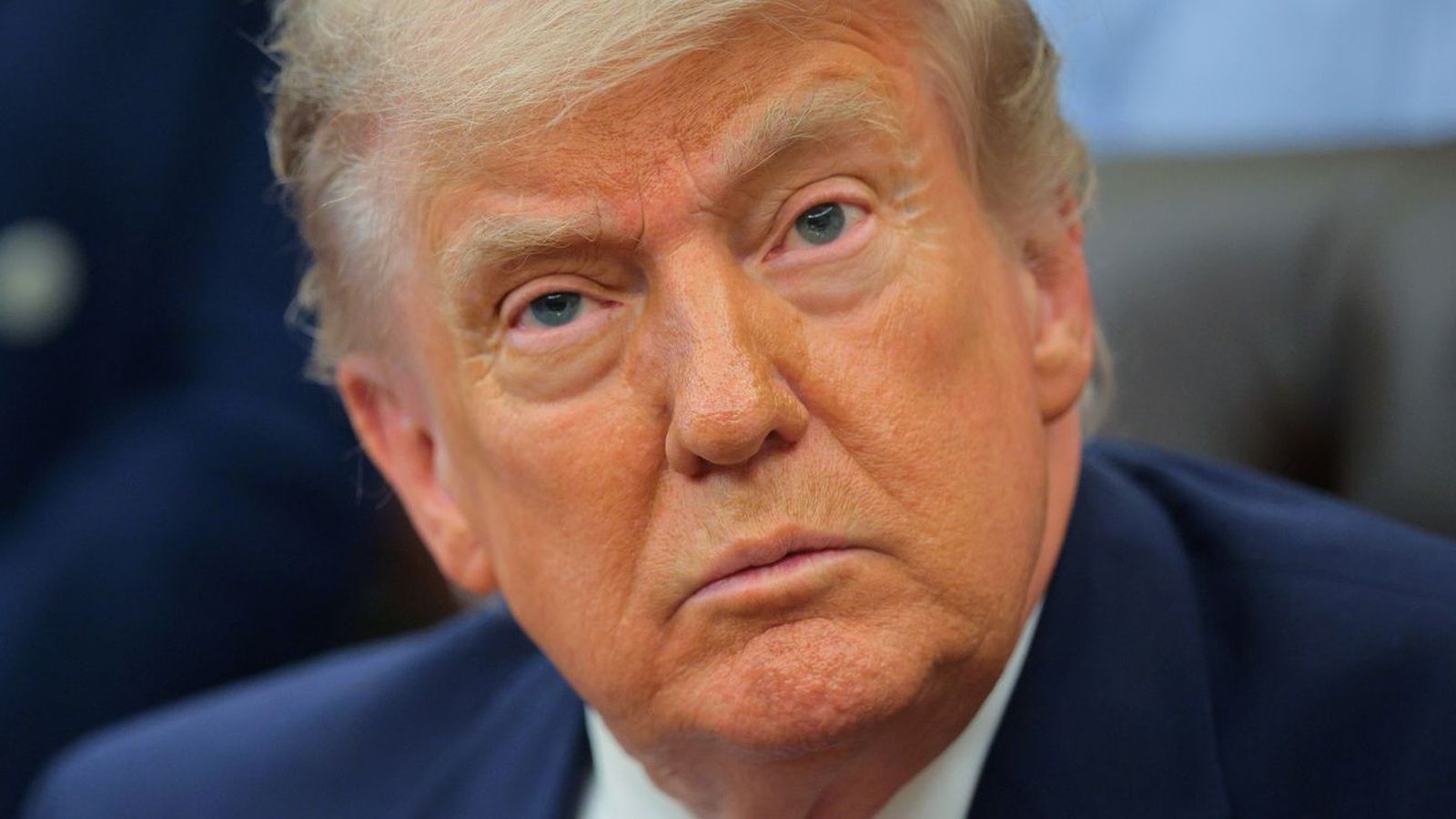
On May 22, 2026, the political landscape of New York’s 17th Congressional District saw a high-profile intervention as President Donald Trump held a rally at the Eugene Levy Fieldhouse, located on the campus of Rockland Community College in Suffern, New York. The visit was explicitly designed to consolidate support for Republican Representative Mike Lawler, who is currently navigating a competitive path toward a third consecutive term in office.
The choice of venue—a community college in Rockland County—underscores the strategic importance of this district, which has long been viewed as a bellwether for broader political trends in the suburban areas surrounding New York City. By appearing alongside Lawler, the former president aimed to energize the local conservative base and signal the national party’s commitment to retaining this seat, which remains a focal point for both major political organizations.
The Political Stakes
Representative Mike Lawler, an incumbent facing significant scrutiny, is preparing for a general election contest following a crowded Democratic primary cycle scheduled for June. The 17th District has historically shifted between party allegiances, making it a critical theater for national campaign operations. The presence of a figure as prominent as Trump suggests that the GOP views the defense of Lawler’s seat as essential to maintaining their legislative objectives in the House of Representatives.
Political analysts have pointed out that while suburban districts are often characterized by their volatility, the mobilization of voters through high-profile rallies serves as a tool to improve turnout and raise visibility. For Lawler, the endorsement from the president is intended to reinforce his standing with the base, even as he navigates the complex electoral dynamics of a district that demands bipartisan appeal.
Campaign Outreach and Voter Mobilization
The rally in Suffern was not merely an event for the incumbent; it functioned as a broader demonstration of campaign force. As the 2026 election cycle intensifies, the Republican strategy appears to involve leveraging high-visibility appearances to dominate the local media cycle and counteract Democratic efforts to reclaim the district. The event was marked by a focus on national platform issues, which the campaign hopes will resonate with local residents concerned about economic policy and regional infrastructure.
The Democratic challengers, who are currently competing in their primary, have framed their platforms around issues distinct from the Republican agenda. This creates a stark contrast for voters in the district, where the election is expected to hinge on a relatively narrow margin of independent and swing voters. The rally serves as a preemptive strike to define the narrative before the general election phase begins in earnest.
The visit to Suffern represents a calculation by the Republican leadership that suburban districts remain winnable through a combination of traditional rally-based mobilization and strong incumbent endorsement. By centering the campaign narrative around the 17th District, the president has underscored the strategic necessity of holding onto suburban seats to influence the legislative balance in Washington. Whether this strategy will succeed in attracting the necessary swing voters remains to be seen, but the event has undeniably set the stage for a high-stakes confrontation in the upcoming November elections.