


A Geopolitical Pivot in Shenzhen
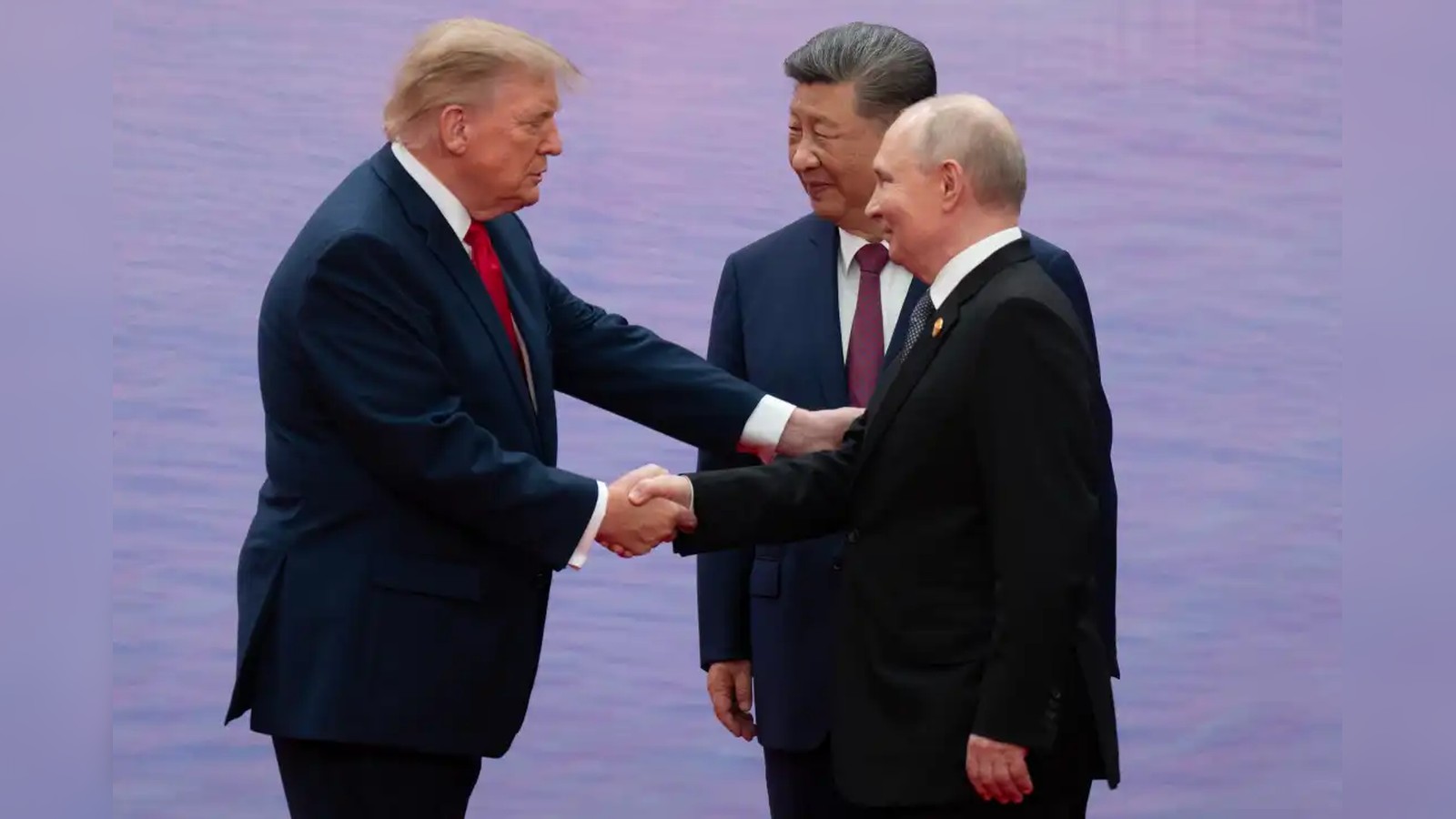
On November 18, 2026, the Asia-Pacific Economic Cooperation (APEC) summit in Shenzhen, China, became the stage for a coordinated diplomatic challenge to Western economic hegemony. Presidents Xi Jinping and Vladimir Putin utilized the forum to deliver sharp critiques of trade protectionism and international sanctions, explicitly setting the tone for a high-stakes trilateral meeting with U.S. President Donald Trump. As reported by The Daily Asian Age, the summit has drawn immediate international scrutiny, with some observers comparing the gathering to the 1945 Yalta Conference, signaling potential shifts in global spheres of influence. The summit serves as a calculated geopolitical platform where Xi and Putin are attempting to redefine international trade norms and solidify a multipolar narrative to counter U.S. influence.
The timing of the summit coincides with a period of heightened friction between the world’s major powers. Hours before the trilateral discussions were set to begin, President Trump arrived in China following a tour of regional allies in Manila. President Xi personally greeted Trump at the airport—a rare departure from standard protocol—which observers view as a deliberate attempt to project stability and mutual courtesy before the intensive negotiations on trade, nuclear security, and the ongoing conflicts in Ukraine and Iran. Trump and Xi greeted each other at the foot of the airplane’s stairs in a handshake that became a hug, a gesture reciprocating a similar interaction during Xi’s state visit to Washington in September. This public display of rapport contrasts with the reception afforded to other leaders, such as Japanese Prime Minister Sanae Takaichi, who received no formal welcoming ceremony upon her arrival in the tech hub.
Defining the Multipolar Narrative
In his address to business executives at the summit, President Xi sought to position China as the primary guardian of a “rules-based multilateral trading system.” While the U.S. has increasingly utilized tariffs and export restrictions—such as recent measures targeting advanced AI chip access—Xi emphasized that China would continue to open its markets and resist unilateralism. This rhetoric serves as a strategic counter-narrative, intended to resonate with nations in the Global South that have expressed frustration with the dominance of Western financial institutions and trade policies. Xi stated, “We must firmly uphold the rules-based multilateral trading system with the World Trade Organization at its core, support free and open trade and investment, maintain the stability and smooth operation of global industrial and supply chains.”
President Putin, speaking shortly after reports emerged of damage to the Kerch road bridge, adopted a more confrontational stance. He characterized Western powers as “former hegemons” and claimed that the sanctions regime imposed following the invasion of Ukraine has failed to achieve its intended goal of crippling the Russian economy. By framing Western economic tools as “intimidating power” that has “run its course,” Putin echoed the Chinese leadership’s desire to solidify a multipolar world order that reduces reliance on the U.S. dollar and Western-led supply chains. Putin argued that while sanctions and export restrictions might exert a deterrent effect, they are incapable of halting growth or crushing the economies of competitors.
Stakes and Strategic Balancing
The trilateral meeting represents a critical juncture for international relations. For the United States, the challenge lies in balancing its “muscular” foreign policy under the Trump administration with the need to maintain regional stability and trade access. Trump landed in China seeking to reinforce America’s status as the world’s leading technology power, though this mission was complicated by a series of technical outages back home involving Microsoft, the Federal Aviation Administration, and JPMorgan Chase. U.S. Secretary of State Marco Rubio attempted to calm public concerns, stating there was no evidence the outages were connected or tied to rival nations.
Conversely, Beijing and Moscow are leveraging their diplomatic proximity to challenge the status quo. The fact that the summit venue hosted these leaders in a high-profile banquet and group photo session underscores the performative nature of this “united front.” European and Asian capitals remain wary of the potential for “great-power deals” that could be struck behind closed doors. The exclusion of smaller nations from these core discussions has fueled fears that the interests of regional powers may be disregarded. The summit, while dismissed by the Kremlin as “games of political scientists,” is viewed by many as a defining moment for the post-2026 global order.
The Intersection of Technology and Diplomacy
The discussions in Shenzhen are heavily influenced by the rapid evolution of artificial intelligence. The technology is viewed as essential for economic growth, yet it poses significant national security risks. Trump’s administration has faced domestic pressure regarding the security of AI infrastructure, particularly following controversies involving Nvidia founder Jensen Huang and allegations of espionage. These vulnerabilities have forced the U.S. to focus on “patching” systems and ensuring that cyber-security does not impede technological progress. Xi’s commitment to continue investing in China’s industrial complex and new technologies highlights the divergence in how Washington and Beijing approach the digital age.
As the three leaders prepare for their Thursday meeting, the agenda is broad, covering everything from nuclear weapon limitations to the war in Ukraine and the ongoing conflict in Iran. While analysts remain skeptical of substantive breakthroughs, the symbolic weight of the meeting cannot be understated. For the Global South, the rhetoric from Xi and Putin provides an alternative to the perceived constraints of the Western-led financial system. Whether this platform leads to a new framework for global cooperation or further entrenches the existing divisions between the East and the West remains the central question facing the international community. The world watches as the three major powers weigh their competing interests in what is increasingly becoming a multipolar landscape.
Furthermore, the visit by Trump to the Philippines prior to the Shenzhen summit, where he pledged to deepen defense cooperation with President Ferdinand Marcos Jr., highlights the complex web of alliances that currently define the Asia-Pacific region. The intersection of these bilateral security commitments with the trilateral dynamics of the APEC summit creates a volatile environment. As the summit concludes, the international community will be looking for concrete signals—whether in the form of joint communiqués or specific policy adjustments—that indicate whether these major powers can reconcile their fundamental differences or if the path toward increased global fragmentation is now irreversible.