


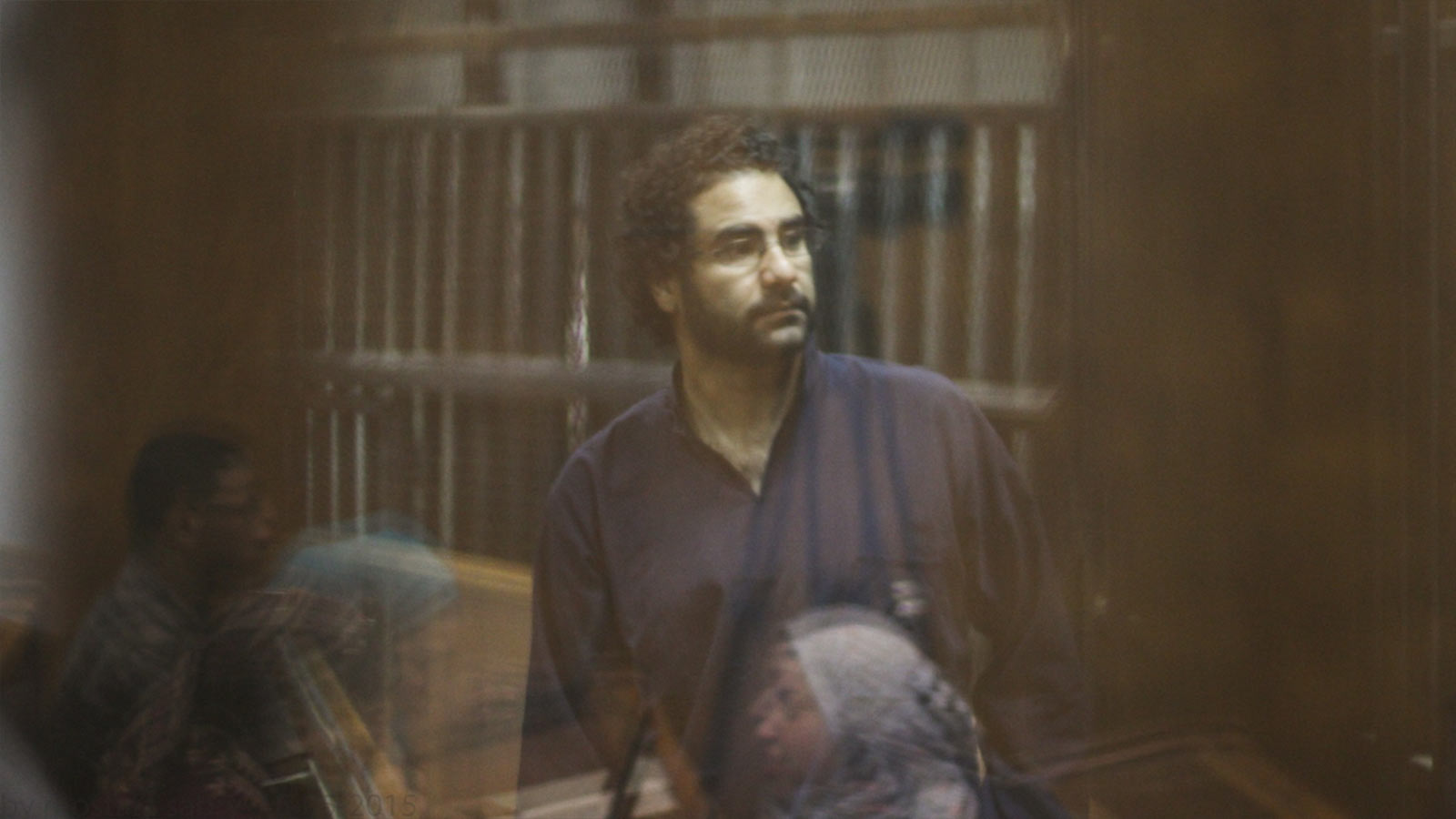
When Alaa Abd El-Fattah landed on British soil after years of detention in Egypt, the moment was hailed by Prime Minister Sir Keir Starmer as a victory for democracy and human rights. But the celebration was short-lived. Within hours, the activist’s return ignited a fierce debate, exposing deep divisions in British politics and society over the meaning of free speech, extremism, and the government’s deportation policies.
Abd El-Fattah, a British-Egyptian dual national, was detained in Egypt in September 2019 and sentenced to five years in prison on charges of spreading false news. His imprisonment was condemned by UN investigators as a breach of international law, and his eventual release came after a presidential pardon from Egyptian President Abdel-Fattah el-Sisi. The Labour government, led by Starmer, had made his case a top priority, joining previous Conservative administrations in lobbying for his freedom. Starmer’s public statement on X declared his ‘delight’ at Abd El-Fattah’s return and paid tribute to the activist’s family and campaigners who fought for his release.
Yet, this official welcome quickly collided with a darker narrative. Past social media posts attributed to Abd El-Fattah surfaced—some deleted, others archived—appearing to call for violence against Zionists, police, and even expressing hatred towards white people. The authenticity of some posts remains disputed, but the controversy was enough to draw sharp criticism from across the political spectrum.
Senior Conservative Robert Jenrick accused Starmer of poor judgment, stating that the Prime Minister’s remarks amounted to a ‘personal, public endorsement’ of an individual whose words crossed into ‘racism and bloodshed.’ Jenrick demanded clarification on whether Starmer was aware of Abd El-Fattah’s past statements and called for an unequivocal condemnation of any extremist rhetoric. The Jewish Leadership Council echoed these concerns, highlighting the potential danger such language posed in the wake of recent antisemitic attacks in Manchester and Australia’s Bondi Beach. They described the government’s ‘effusive welcome’ as a troubling signal to British Jews.
Reform UK leader Nigel Farage added fuel to the fire, lambasting Starmer and the government for welcoming Abd El-Fattah. Farage cited posts in which the activist allegedly referred to police as ‘not human’ and suggested they ‘don’t have rights’ and should be killed, as well as another in which he reportedly declared ‘I hate white people.’ Farage’s outburst captured the raw emotion and anger among those who see Abd El-Fattah not as a champion of democracy, but as a figure whose rhetoric undermines the very values he claims to defend.
In response, a No 10 spokesperson insisted that welcoming Abd El-Fattah did not equate to endorsing his political views. They condemned the offensive posts as ‘abhorrent’ and clarified that these had not been brought to the attention of Starmer, his deputy, or the Foreign Secretary prior to the activist’s return. The government maintained its stance: ‘Nobody should be imprisoned arbitrarily, nor for peaceful dissent. But neither should the Prime Minister place the authority of his office behind someone whose own words cross into the language of racism and bloodshed.’
This episode unfolded against the backdrop of wider changes in UK deportation policy. Home Secretary Shabana Mahmood recently warned that the UK could impose visa bans on countries failing to cooperate with the deportation of their citizens. Angola and Namibia have agreed to new processes for the return of illegal migrants and foreign offenders, while the Democratic Republic of Congo faced diplomatic penalties for non-compliance. These moves reflect a government under pressure to balance humanitarian commitments with public safety and national security.
The debate surrounding Abd El-Fattah’s return is not just about one man’s statements—it’s a microcosm of the UK’s struggle to define its values in a turbulent world. Supporters argue that his release is a triumph for human rights and due process, especially given the allegations of mistreatment and hunger strikes during his detention. Critics, however, see the government’s embrace of Abd El-Fattah as naive at best, reckless at worst, potentially emboldening those who exploit freedom of speech to spread hate.
As Britain tightens its deportation rules and faces scrutiny over whom it welcomes and whom it removes, the case of Alaa Abd El-Fattah will likely remain a touchstone for ongoing debates about extremism, tolerance, and the responsibilities of democratic leadership. The line between legitimate dissent and dangerous rhetoric has rarely felt so fraught—or so consequential.
The facts reveal a government walking a tightrope: striving to uphold human rights while confronting the uncomfortable reality of extremist views among activists. The Abd El-Fattah episode underscores the urgency for leaders to scrutinize who they publicly endorse, ensuring that humanitarian victories do not inadvertently legitimize harmful ideologies. As UK deportation policies grow stricter, public trust hinges on transparent, principled decision-making—not just in the letter of the law, but in the spirit of the nation.