


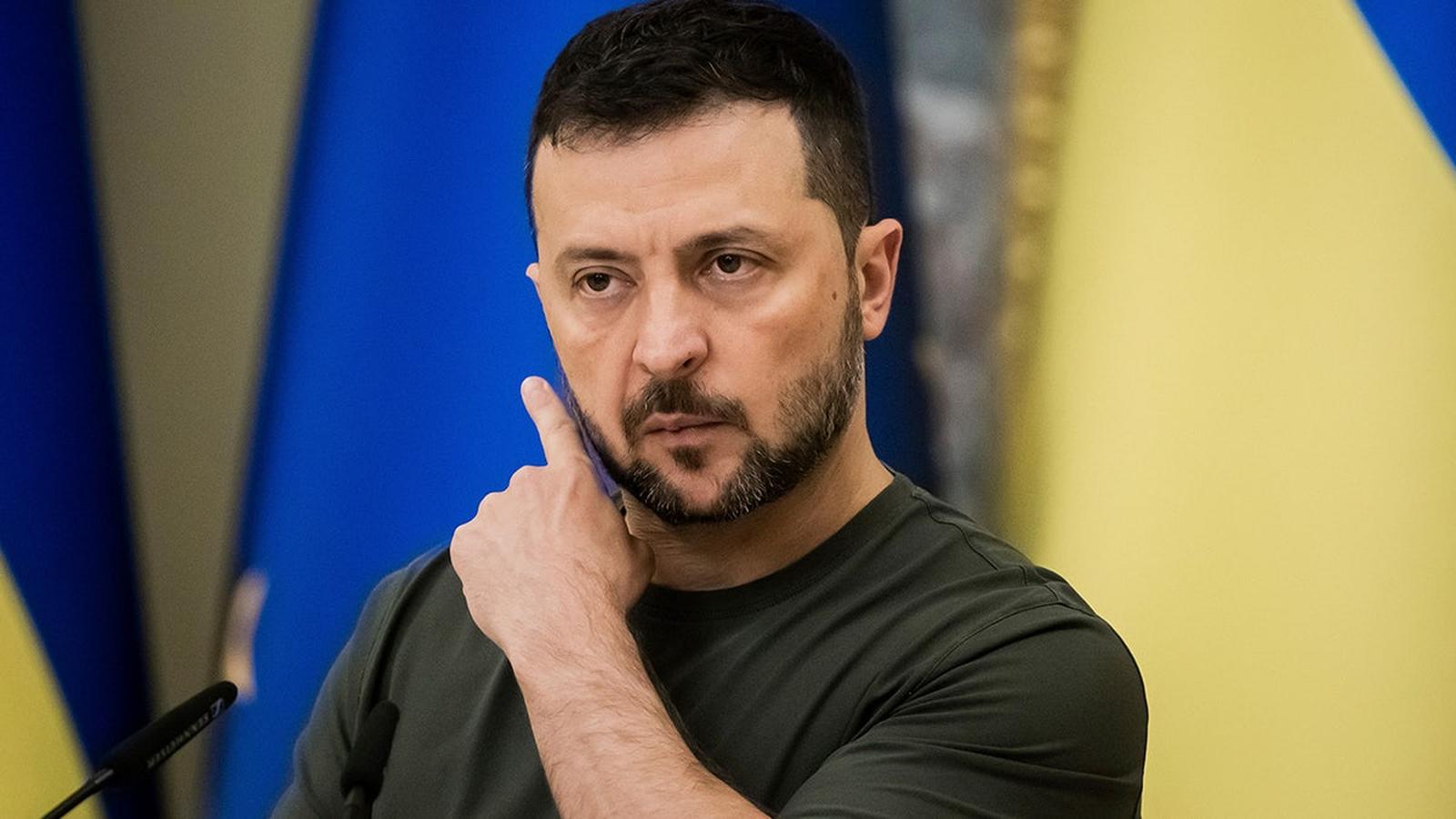
Ukraine is grappling with the aftermath of its deadliest Russian aerial assault of 2026, a massive barrage that has claimed at least 30 lives in Kyiv and triggered a vow of retaliation from President Volodymyr Zelenskyy. The attack, which spanned the Wednesday-to-Thursday period, saw Russia deploy a sophisticated mix of 496 drones and 74 missiles, according to the Ukrainian Air Force.
The Scale of the Barrage
The strikes hit over 30 locations in the capital, including residential buildings, an ambulance station, and a scientific institute. In one instance, a missile destroyed 64 apartments in a nine-storey building, leaving a visible void in the city’s skyline. While Ukrainian air defenses intercepted 476 drones and 48 missiles, the remaining ballistic projectiles—noted for their speed and difficulty to intercept—caused the most significant casualties and damage.
Subsequent strikes on Friday further complicated the security situation. In the Sumy region, a Russian drone hit an apartment building, killing four, including a toddler. Simultaneously, a missile attack in Kryvyi Rih, President Zelenskyy’s hometown, killed one and injured seven, damaging nine apartment blocks and a school.
Strategic Shifts and Retaliation
President Zelenskyy, who had preemptively warned of the massive strike while in Dublin, has framed the coming response as a necessary escalation. He has described Ukraine’s recent long-range strikes on Russian energy infrastructure as “long-range sanctions.” This approach aims to bring the economic reality of the war to the Russian interior, forcing a fuel crisis that Moscow has struggled to contain.
Analysts point to a symbolic and tactical shift in Kyiv’s strategy. Zelenskyy’s recent reference to a “40-day influence operation” has been interpreted by observers, including The Economist, as both a psychological signal to the Kremlin and a marker for a sustained campaign. This effort focuses on turning Russian-occupied Crimea into a liability for Moscow by targeting supply lines and energy infrastructure, effectively using the peninsula as a leverage point to force a shift in Putin’s calculus.
The Institutional Conflict
The Kremlin, through spokesman Dmitry Peskov, has maintained its no-compromise rhetoric, pledging to increase “pressure” on Kyiv. Meanwhile, the international response has been swift. EU foreign policy chief Kaja Kallas has signaled that new sanctions will be proposed, while UN Secretary-General Antonio Guterres condemned the attacks as a clear violation of international humanitarian law. As Zelenskyy heads to a NATO conference to secure more advanced air defense systems—specifically PAC-2 and PAC-3 interceptors—the war has entered a phase of heightened volatility, where the target is no longer just the frontline, but the logistical and psychological endurance of both nations.