


Escalation in Infrastructure Warfare
On November 17, 2026, Russian forces launched a series of ballistic missile strikes targeting the Northern and Southern bridges in Kyiv, two critical transit arteries spanning the Dnipro River. This attack, confirmed by the Russian military as part of a broader infrastructure bombardment, resulted in significant traffic disruptions and gridlock across the Ukrainian capital. According to reports from CBS News, the strikes also impacted essential utilities, causing service disruptions to heating and water supplies in multiple districts, as noted by Kyiv Mayor Vitali Klitschko.
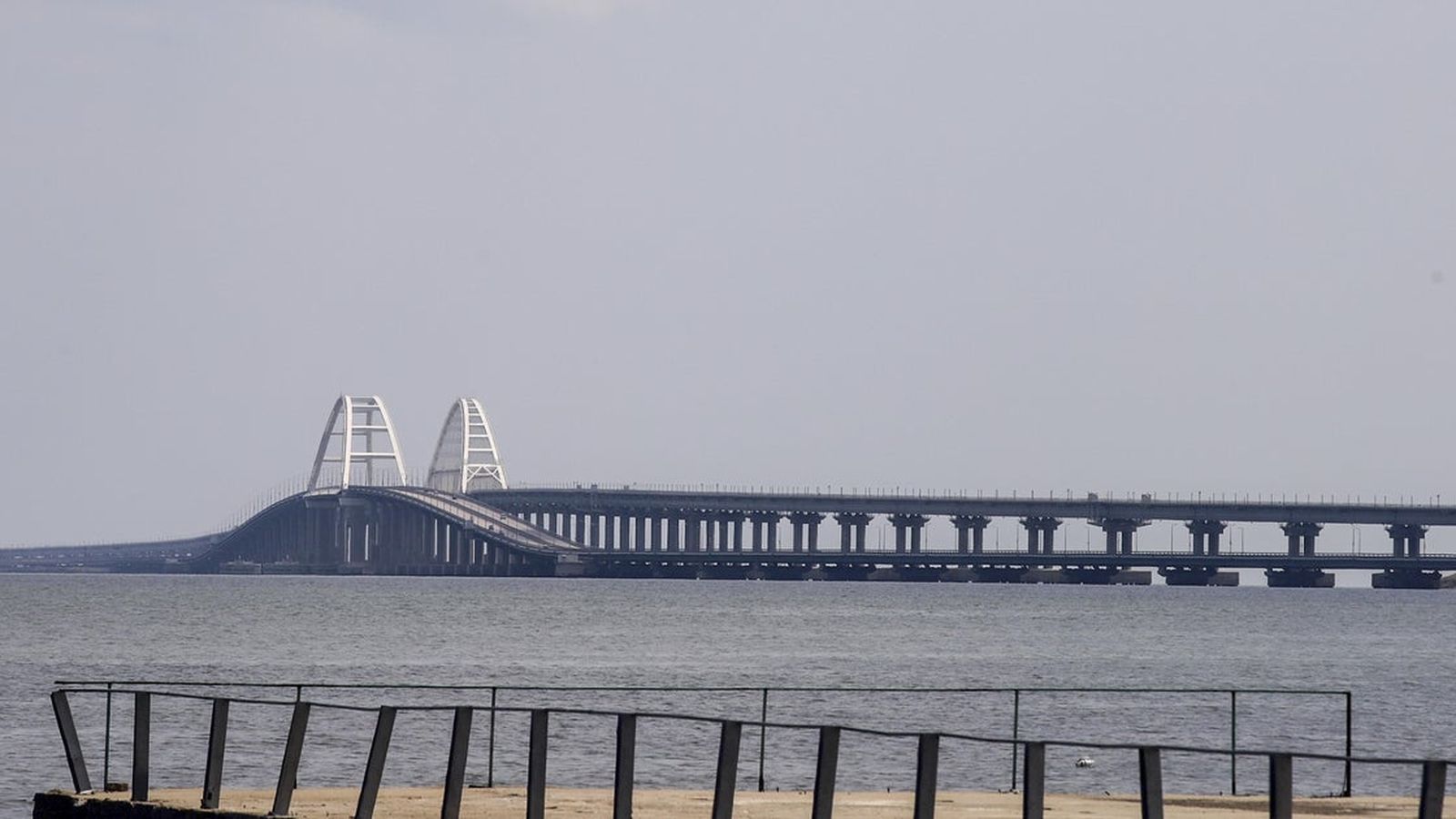
This military action coincided with renewed Ukrainian efforts to disable the Kerch Bridge, which connects the Russian-occupied Crimean Peninsula to the Russian mainland. On the same day, Ukrainian forces struck the bridge for the second consecutive night, reportedly causing a section of the road structure to collapse. While Russian transport authorities maintained that rail services remained operational, the damage to the road segment has halted automobile traffic, creating a reciprocal pattern of infrastructure targeting that has intensified as diplomatic activity surrounding the conflict reaches a critical juncture.
Diplomatic Stakes and Strategic Timing
The simultaneous strikes occur just days before a high-stakes trilateral summit scheduled for November 19 in China, involving U.S. President Donald Trump, Chinese President Xi Jinping, and Russian President Vladimir Putin. Observers and officials alike have noted that the timing of these attacks—which represent a marked escalation in physical infrastructure warfare—complicates the potential for diplomatic progress. While the White House had initially indicated that the war in Ukraine might not be a primary focus of the summit, President Trump stated on November 16 that the conflict would be among the subjects discussed.
Ukrainian leadership has expressed skepticism regarding the efficacy of these talks. Foreign Minister Andrii Sybiha warned that the summit could embolden Russian aggression, while President Volodymyr Zelenskyy had issued warnings regarding the likelihood of a major Russian strike in the days preceding the event. The destruction of major transport arteries in both Kyiv and Crimea underscores the volatility of the conflict, as both nations demonstrate a willingness to target symbolic and logistical infrastructure despite the looming international dialogue.
Operational Impacts and Regional Stability
The damage to the Kerch Bridge, described as “significant” by Russian military blogger Alexander Kots, serves as a major logistical blow to Russia’s supply lines in the southern theater. The bridge, constructed following the 2014 annexation of Crimea, remains a primary symbol of Russian territorial claims in the region. The inability to sustain road traffic is expected to strain regional logistics for at least a month, according to initial assessments cited by The Guardian.
In Kyiv, the impact of the missile strikes on the North and South bridges has been immediate, halting civilian movement and forcing residents to navigate emergency infrastructure outages. The dual-pronged nature of these strikes—targeting the administrative heart of Ukraine and the symbolic logistical hub of Russian-held Crimea—indicates that both sides are prioritizing the degradation of critical infrastructure as a means of exerting leverage. As the global community looks toward the upcoming summit, the physical reality of the war on the ground suggests that the path to strategic stability remains fraught with tactical escalation, with both Kyiv and Moscow testing the limits of infrastructure-based warfare while diplomatic channels are simultaneously being engaged.