


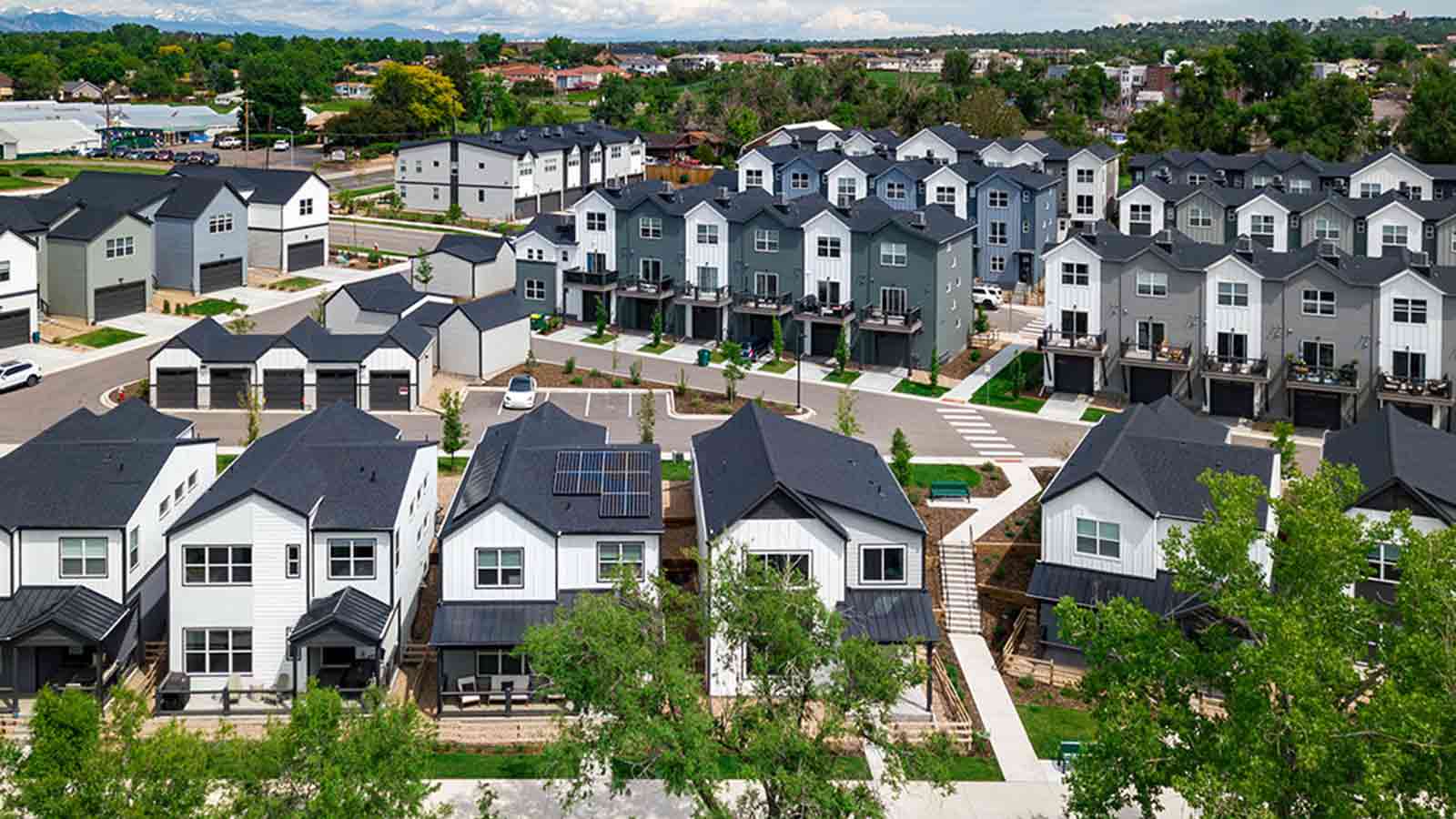
Homebuyer affordability in the United States declined for the fifth consecutive month in June, according to the latest index released by the National Association of Realtors (NAR). Despite a slowdown in the pace of home price appreciation, the combination of elevated mortgage rates and ongoing inflation continues to restrict purchasing power for potential buyers.
As of June 2026, the median price for a single-family home reached $446,400. With average 30-year fixed-rate mortgages hovering at 6.57%, the income required to qualify for a mortgage rose to $109,152, assuming a 20% down payment. For comparison, in January 2026, the qualifying income requirement was $93,552.
Lawrence Yun, chief economist for NAR, noted that while affordability is currently lower than at the start of the year, it remains slightly improved compared to June 2025, when interest rates were higher at 6.9%. The market has faced upward pressure on rates following the onset of the conflict in the Persian Gulf, which has influenced inflation expectations.
The Bureau of Labor Statistics reported annual inflation at 3.5%, a figure that currently matches average hourly wage growth, effectively neutralizing potential gains in consumer purchasing power. While the median price of existing homes hit a record high of $440,600 in June, the year-over-year increase of 1.8% is significantly lower than the double-digit growth observed during the pandemic.
Looking ahead, market experts anticipate potential improvements as the peak summer buying season concludes. Additionally, the bipartisan “21st Century ROAD to Housing Act,” signed into law on July 11, aims to address long-term supply shortages by incentivizing construction and restricting large-scale institutional property acquisitions. However, analysts warn that with a national housing shortage exceeding 4 million units, the impact of these legislative measures will likely take time to materialize.