


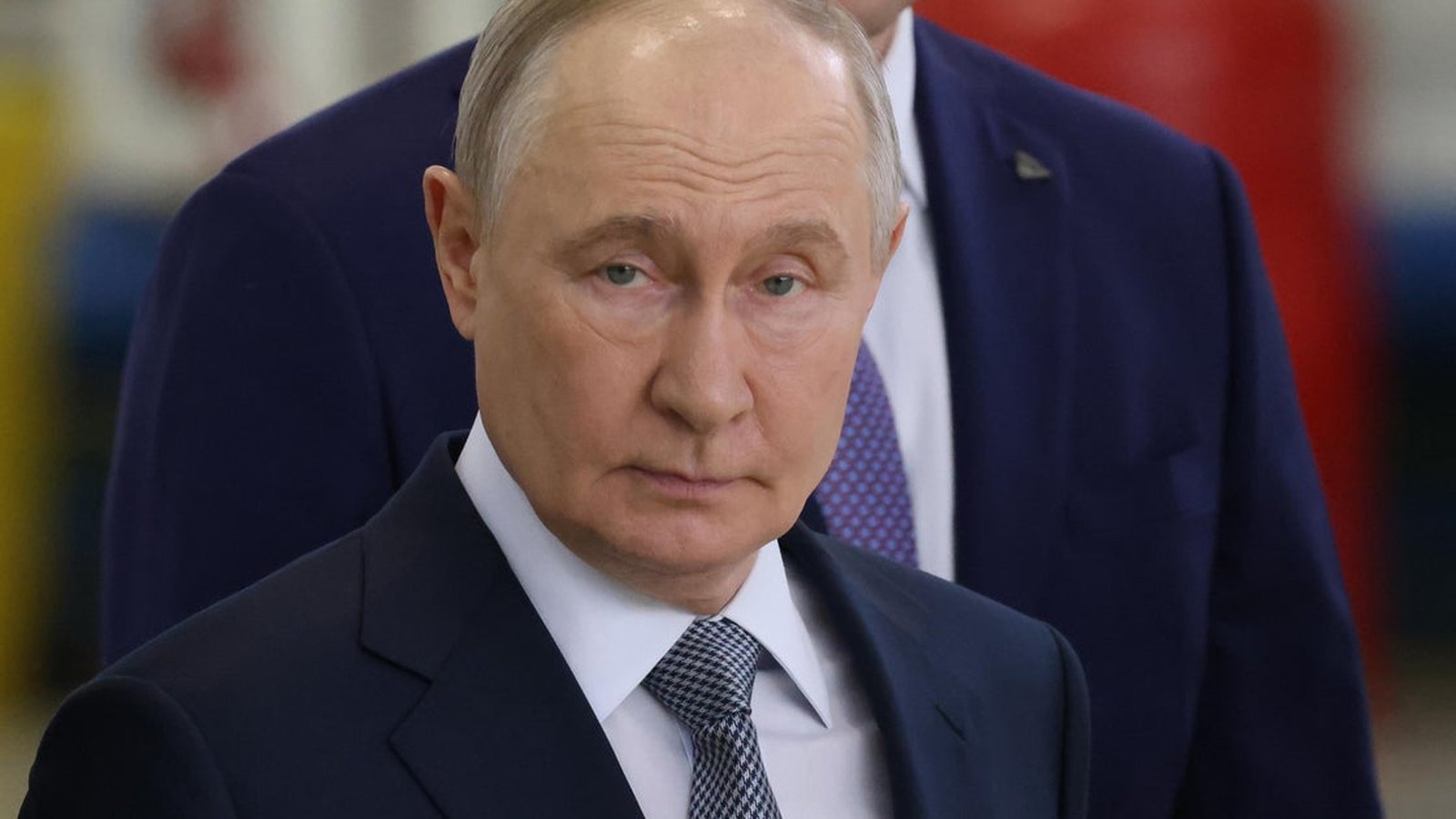
Shifting Risk Calculus in Moscow
U.S. intelligence agencies have identified a concerning shift in Russian President Vladimir Putin’s willingness to authorize provocative actions that could extend directly into NATO territory, according to officials briefed on the matter. While the primary objective remains unclear, intelligence assessments suggest that Moscow is increasingly prepared to employ hybrid tactics—including cyberattacks, sabotage, and other deniable measures—to test the cohesion of the 32-country alliance.
This assessment represents a notable change from Russian risk-taking behaviors observed just a few months ago. Officials indicate that the goal is likely not to initiate a conventional military conflict, but rather to gauge the resolve of the Trump administration and the broader NATO bloc in responding to gray-zone aggression against member states.
Pattern of Escalation
Concerns among Western security agencies have been compounded by a series of recent incidents. Earlier this week, authorities discovered an explosive-laden drone at an airport in Leipzig, Germany, which U.S. intelligence has linked to Russian origin. This event follows a documented pattern of incursions, including Russian drones entering Romanian airspace and a Russian missile trajectory that crossed into Poland last month. These events, alongside a broader uptick in suspected sabotage and cyber operations across Europe, have heightened anxiety among NATO leadership.
NATO Secretary General Mark Rutte has consistently warned that the alliance faces an evolving threat. Last December, Rutte cautioned that Russia views the bloc as its next target, stating that Moscow could be prepared to utilize military force against NATO members within a five-year window.
The Backdrop of Battlefield Losses
The intelligence reports emerge as Russia continues to face severe attrition in its ongoing war in Ukraine. CIA Director John Ratcliffe recently noted that battlefield estimates suggest newly deployed Russian recruits often survive only 20 to 30 minutes on the front lines, a result attributed to Ukraine’s sophisticated use of AI-powered attack drones. Estimates indicate that Russia is losing approximately 30,000 troops per month—a rate that significantly outpaces its current recruitment capacity.
Despite these mounting losses, diplomatic efforts to broker a cessation of hostilities have largely stalled, leaving little room for de-escalation in the immediate future.
Stakes for NATO Article 5
The core concern for NATO remains the integrity of Article 5, which dictates that an attack on one member is an attack on all. The U.S. political landscape adds a layer of complexity to this commitment. President Trump has previously expressed skepticism regarding the necessity and reliability of Article 5, at times questioning whether other member states would honor their obligations to defend the United States. While the administration has also taken steps to bolster defense cooperation, the fluctuating rhetoric regarding NATO’s future serves as a primary variable in Russian strategic calculations.