


A High-Stakes Economic Confrontation
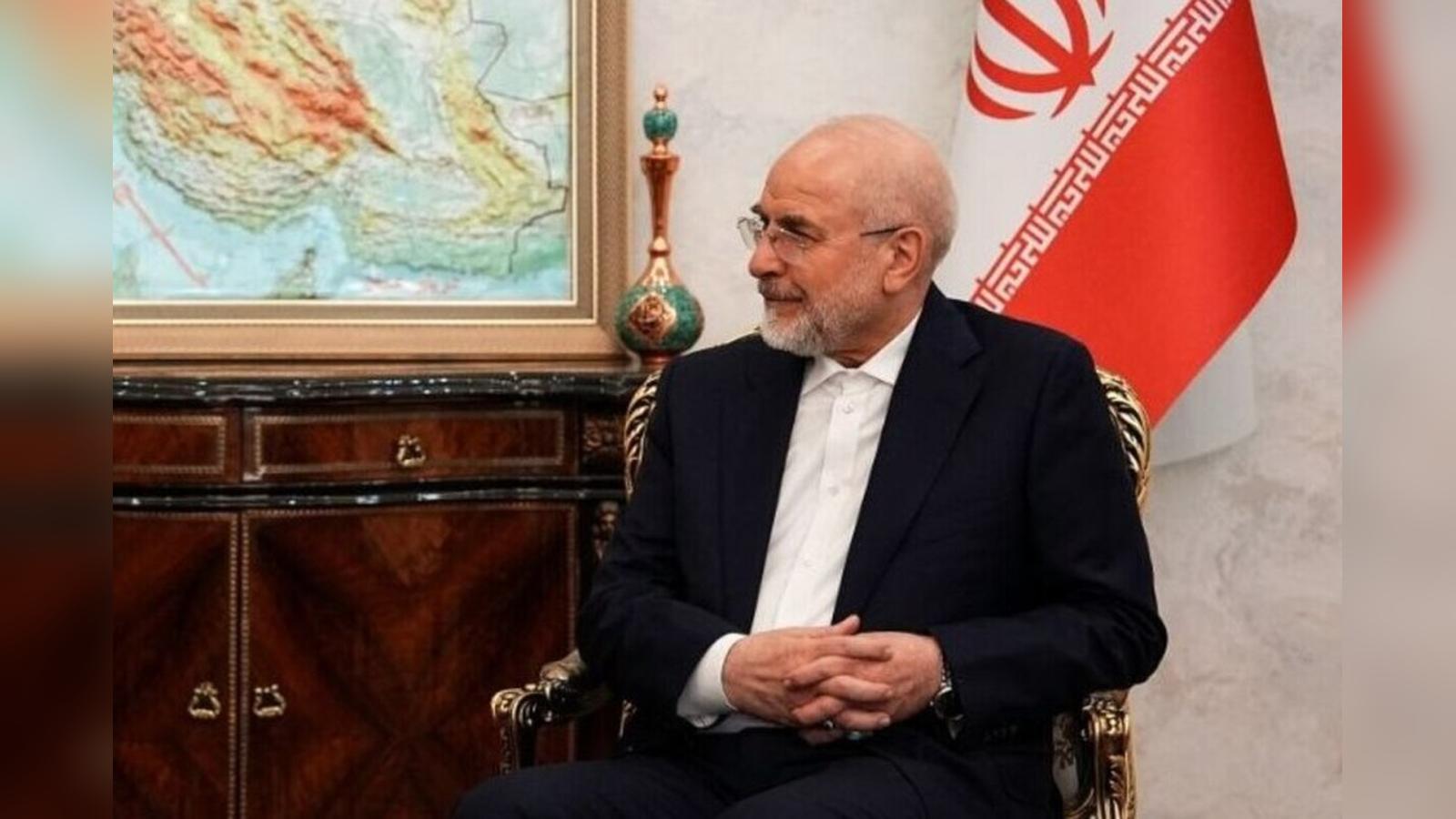
The intensifying economic struggle between Washington and Tehran reached a new rhetorical peak this weekend as U.S. Treasury Secretary Scott Bessent and Iranian Parliament Speaker Mohammad Bagher Qalibaf exchanged sharp public challenges regarding the impact of U.S. sanctions. The confrontation centers on the effectiveness of “Operation Economic Outcast,” a U.S. initiative aimed at constricting Iran’s ability to monetize oil exports and sustain its war-related infrastructure.
Secretary Bessent recently asserted that the U.S.-led blockade and economic measures were effectively crushing Iran’s economy, claiming that Washington had successfully guided approximately 130 million barrels of oil onto the market over the previous two weeks. The strategy, supported by the Trump administration, is premised on the belief that Iran’s regime is nearing a critical “economic cliff” as its offshore oil stockpiles dwindle.
This report draws on information published by nypost.com and middleeastmonitor.com.
Tehran’s Response and Market Skepticism
Iranian Parliament Speaker Mohammad Bagher Qalibaf rejected these claims on Saturday, utilizing social media to mock the Treasury Secretary’s assertions. Qalibaf labeled the administration’s claims as “gaslighting” and directed Bessent to review financial data from Moody’s, which he suggested indicated over $130 billion in war-related costs for the regime. Qalibaf further cited the market losses of trading firm Jane Street as evidence of the volatility created by the current economic climate.
Beyond the rhetoric, the core of the disagreement lies in the sustainability of Iran’s oil exports. While the U.S. government maintains that Iran’s floating storage—estimated by Reuters to have fallen from 105 million to 80 million barrels—is rapidly depleting, Tehran continues to rely on complex circumvention tactics. These include ship-to-ship transfers, dark-vessel operations, and settling trades in yuan with Chinese refiners, who currently purchase over 80% of Iran’s oil.
The Strategic Calculus
Analysts note that the success of the U.S. strategy hinges on a race against time. The Iranian regime faces internal stressors, including chronic electricity shortages, a severe water crisis, and a rial that has lost approximately 80% of its value since late 2022. The U.S. gamble is that these internal pressures, combined with a depletion of foreign currency reserves, will eventually render the regime unable to fund its security apparatus or suppress domestic dissent.
However, critics, including economist Paul Krugman, argue that the strategy carries significant risks. They contend that the U.S. may suffer “collateral damage” through higher domestic energy prices and inflation, and that Beijing remains a crucial “wild card” that can provide enough economic oxygen to keep the Iranian state afloat. As both nations continue to navigate the aftermath of the failed Islamabad-Qatar mediation efforts from June, the situation remains a test of political and economic endurance rather than immediate military victory.