


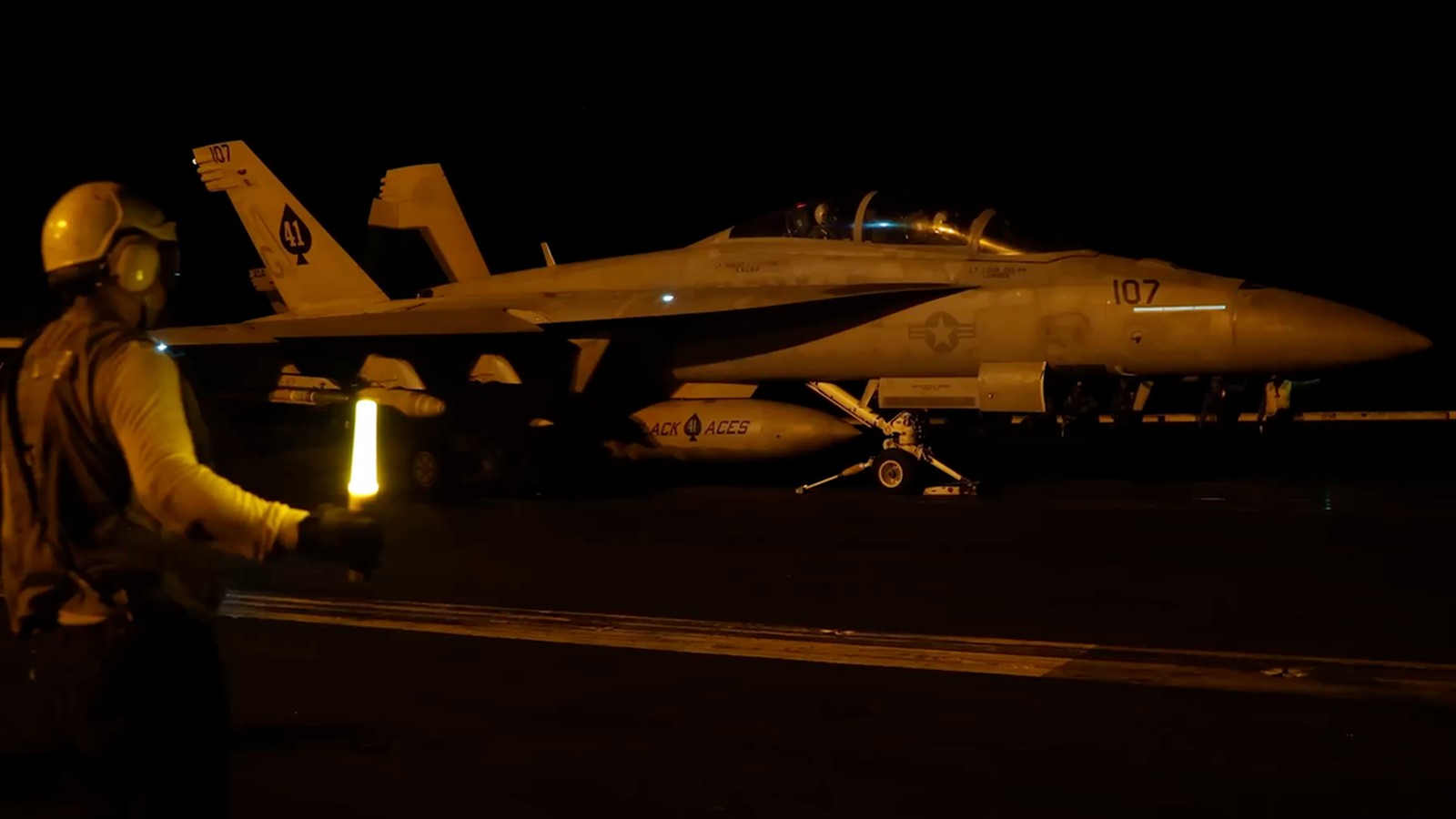
Strait of Hormuz and the Breakdown of Diplomacy
The Strait of Hormuz, a critical artery for global energy, has become the epicenter of a dangerous military escalation between the United States and Iran. Following a series of retaliatory strikes, U.S. Central Command (CENTCOM) confirms that over 300 Iranian sites have been targeted in recent days, including missile and drone infrastructure. The conflict, which began following an Iranian attack on a Cyprus-flagged container ship, has effectively nullified the mid-June memorandum of understanding (MoU) aimed at de-escalation.
While Tehran has declared the Strait of Hormuz closed, U.S. officials maintain that the waterway remains open to international traffic. CENTCOM stated that U.S. forces are actively positioned to ensure freedom of navigation, dismissing Iranian claims of control. Retired Gen. Frank McKenzie, former head of CENTCOM, noted that while the U.S. has the capability to secure the strait, such an action would signify a major shift in the maritime theater.
Regional Spillover and Strategic Stakes
The conflict has expanded beyond the direct U.S.-Iran exchange, with Iran launching missiles and drones against regional neighbors, including Jordan, Bahrain, Oman, Qatar, and the UAE. Jordanian authorities reported intercepting four Iranian missiles, while Qatari officials confirmed that falling debris from interceptions resulted in injuries. Iran’s Revolutionary Guard Corps (IRGC) claimed these strikes were directed at U.S. military facilities, though the U.S. has disputed reports of significant damage to its bases.
The diplomatic process remains stalled. Despite an Iranian delegation traveling to Oman for mediation, the intensity of the fire exchange has rendered current negotiations largely futile. The disagreement centers on Article 5 of the Islamabad MoU, with Washington and Tehran offering conflicting interpretations regarding transit routes and potential fees for commercial shipping.
Analysis: The Failure of Deterrence
The rapid collapse of the June memorandum highlights the fragility of deterrence-based diplomacy in the region. Iran’s strategy appears aimed at using the Strait of Hormuz as leverage, characterizing the passage as more strategically significant than its nuclear program. By forcing a confrontation over maritime access, Tehran is challenging the U.S. commitment to its regional allies. Conversely, the U.S. “maximum pressure” approach, characterized by heavy airstrikes, has yet to force the Iranian regime into a permanent ceasefire, instead triggering a cycle of retaliation that risks wider regional instability.