


Diplomatic Impasse and Escalating Tensions
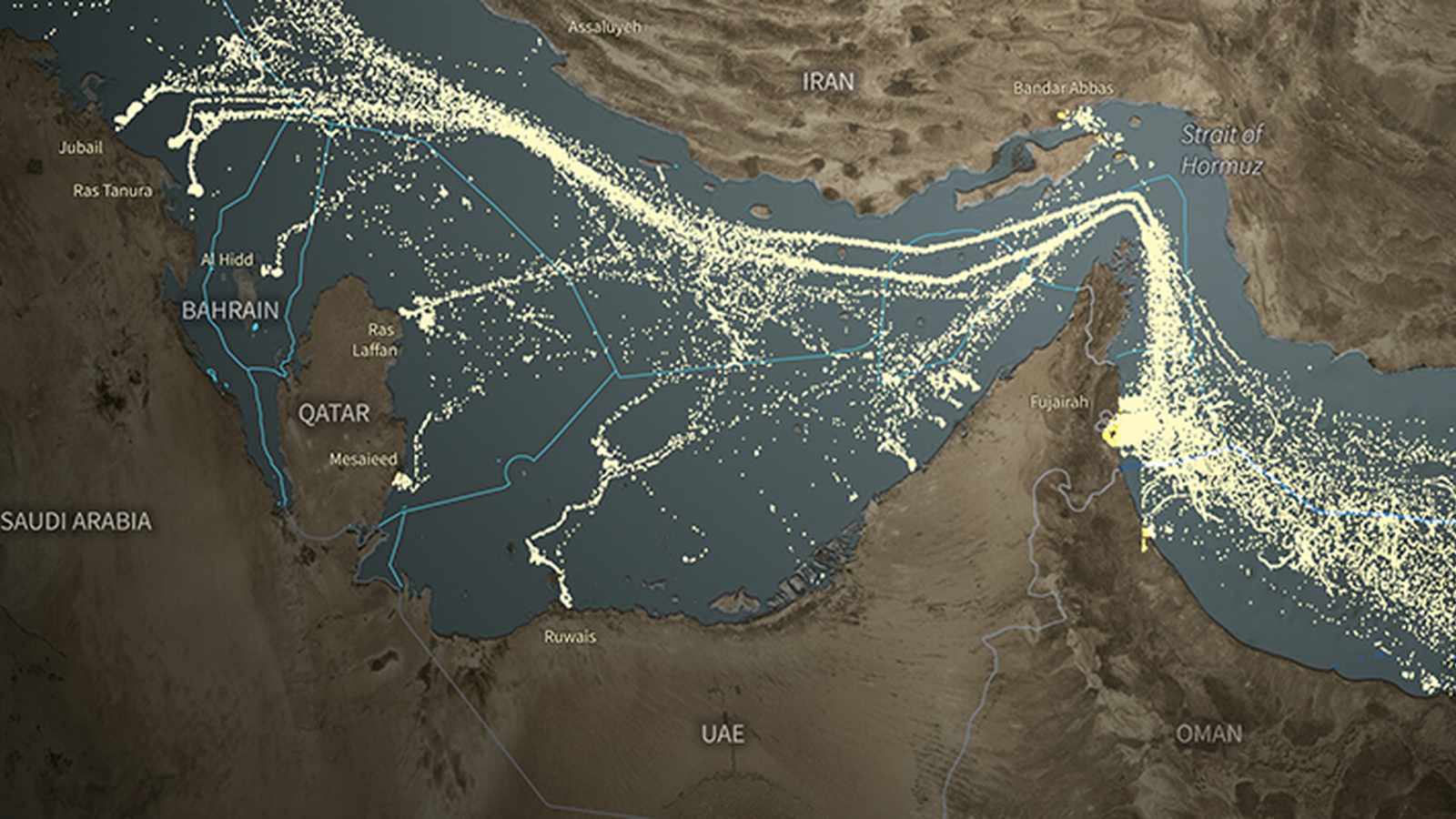
The strategic Strait of Hormuz remains effectively closed to standard commercial traffic as Iran’s Supreme National Security Council issued a new list of stringent demands on Sunday. Despite ongoing negotiations with Oman, Iranian officials have signaled that the waterway will not reopen until the United States meets a series of conditions, including the lifting of sanctions, the unfreezing of assets, and a complete withdrawal of U.S. military assets from the region.
The situation in the strait, which serves as a critical artery for global energy markets, has deteriorated following a missile attack on Saturday targeting a vessel owned by the Abu Dhabi National Oil Company. While Oman continues to facilitate talks, Iranian Foreign Minister Abbas Araghchi clarified that while negotiations are in their final stages, they do not equate to an immediate reopening of the waterway. The Revolutionary Guards have reinforced this stance, characterizing the strait as a “theatre of war” rather than a simple transit route.
U.S. Strategic Response and Munitions Concerns
The United States has maintained its naval blockade, which has now redirected at least 53 vessels attempting to access Iranian ports since its reinstatement on July 14. This policy of “economic pressure” is intended to force Tehran back to the bargaining table, according to GOP Senator Bill Cassidy, who emphasized the need for a unified message from the Trump administration regarding the long-term path forward in the region.
Simultaneously, the Pentagon is moving to address a critical shortage of precision munitions. A memo from Deputy Defense Secretary Steve Feinberg has urged the U.S. defense industry to accelerate production schedules, noting that current development cycles are insufficient for the pace of the ongoing conflict. Reports indicate that U.S. stockpiles of Army Tactical Missile Systems (ATACMS) and Precision Strike Missiles have been significantly depleted during the five-month engagement.
Regional Security and Defense Pacts
The conflict has expanded beyond the strait, with Houthi rebels in Yemen claiming attacks on Saudi refineries and the port of Mocha. In response, the Yemeni military has conducted retaliatory strikes against Houthi capabilities. Meanwhile, the broader regional security architecture is shifting. Turkish Foreign Minister Hakan Fidan suggested that Egypt may join a defensive pact currently shared by Turkey, Saudi Arabia, and Pakistan—a move that mirrors Article 5 of the NATO treaty and underscores the growing alignment of Sunni-majority nations in response to the regional instability.