


Market Pressures and the Late-August Tariff Decision
In late August 2026, United States President Donald Trump announced a 90-day pause on certain beef tariffs, a move intended to lower grocery prices for consumers while the domestic cattle herd sits near its smallest size since 1951. Al Jazeera reported that the policy change made beef cheaper to import, particularly from Brazil and Argentina, causing immediate drops in cattle auction prices and futures markets, and squeezing rancher profits just as domestic producers prepared to bring their cattle to market. The administration authorized the temporary increase to allow an additional 300,000 metric tons of lean beef trimmings to enter the United States at a lower tariff rate over a 90-day period running from September 1 through November 30, divided into three separate 100,000-metric-ton tranches.
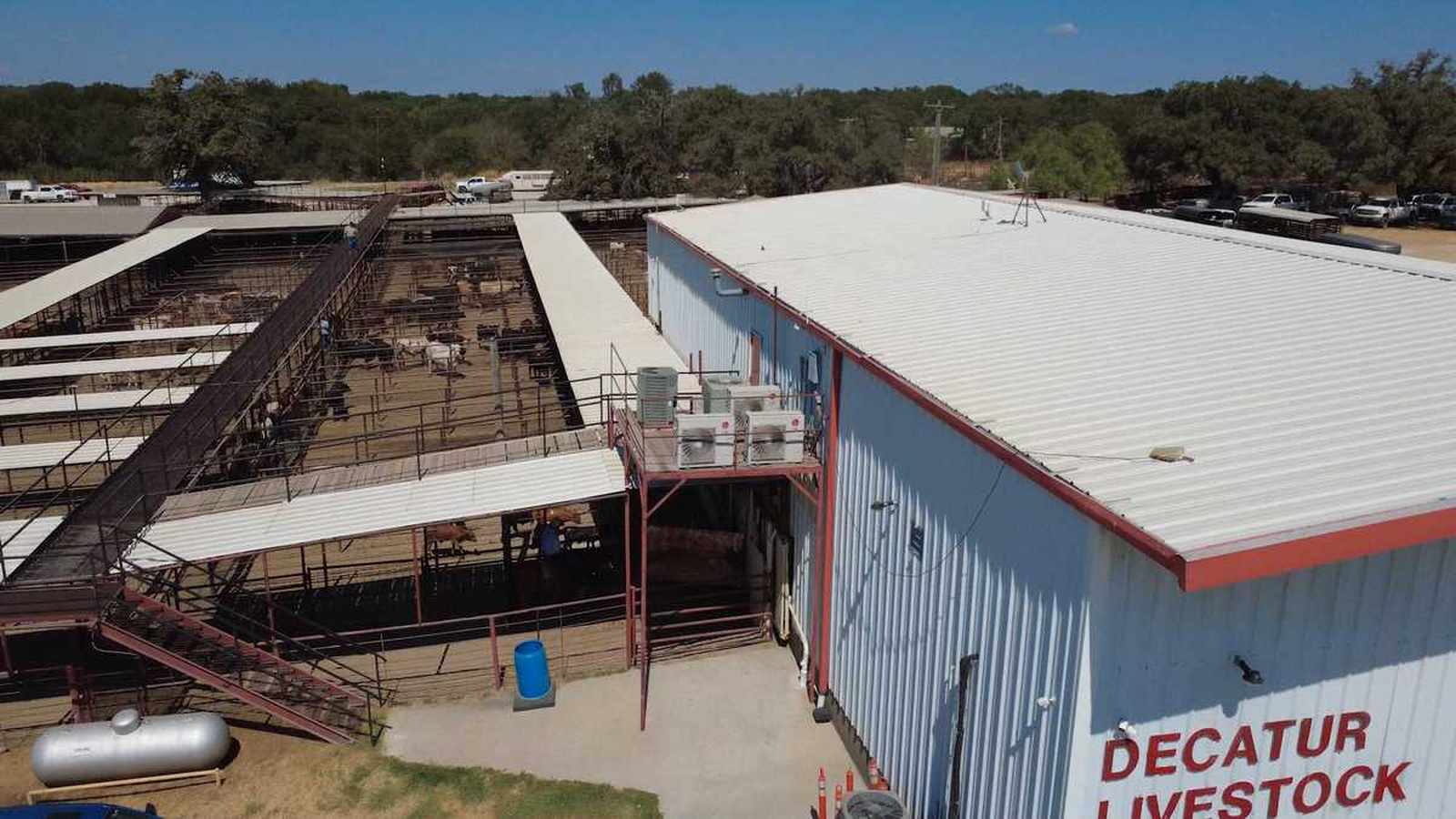
Agricultural economists warned that the policy works directly against market signals meant to encourage domestic herd expansion. David Anderson, an agricultural economist at Texas A&M University, noted that while high prices this year should have given ranchers confidence to invest and expand, cheaper imports may have nudged producers in the opposite direction. WXII12 reported that Texas ranchers felt an immediate squeeze on their profit margins following the federal announcement, highlighting regional tensions between agricultural producers and administration policy. At a livestock auction in Decatur, Texas, rancher Hayden Scarborough stated that his business shifted rapidly from profitability to losses following the policy shift, pointing specifically to the influx of Argentine and other imported beef.
Industry Opposition and Political Repercussions
The policy decision drew formal opposition from major agricultural member organizations, including the United States Cattlemen’s Association, the National Cattlemen’s Beef Association, and the Farm Bureau. Rural Republican members of Congress also distanced themselves from the measure, creating a delicate political balancing act ahead of midterm elections. More than a dozen Republican senators publicly pushed back against the import plan after its announcement, including John Barrasso of Wyoming, Steve Daines of Montana, and Katie Britt of Alabama. Barrasso argued that Americans want United States beef rather than additional foreign imports, while Daines warned that bringing in more foreign product could hurt producers and drive up prices over the long term. A bipartisan bill was also introduced in Congress to suspend the beef imports and bolster the domestic herd.
While Kansas rancher Chad Basinger acknowledged that some producers felt let down by the administration, he expressed skepticism that the tariff pause alone would decisively shift voting patterns, pointing out that ranchers will weigh the policy alongside other federal actions, such as an $8bn farm relief package announced in Kansas on October 19. Agriculture Secretary Brooke Rollins acknowledged the frustration expressed by cattle producers, noting they felt it was a gut punch after finally reaching a point where they could make money and rebuild their herds following years of financial devastation. However, Rollins defended the imports as a short-term effort to lower ground beef costs, noting that the administration is watching prices closely and that the policy could be reversed if consumers do not see significant relief.
Structural Challenges and Long-Term Outlook
Beyond immediate political debates and short-term price drops, industry observers noted that the tariff pause compounds broader, long-term structural pressures facing the US cattle sector. Decades-long declines in livestock numbers, intensifying drought cycles driven by warming temperatures, high interest rates on loans, and elevated operating costs for fuel, fertilizer, and feed have combined to limit herd growth. Although 2026 brought record-high cattle prices due to constrained supplies, high operating expenses and price volatility at auction left many producers with lower net profits than anticipated as they evaluated whether to expand operations or exit the industry entirely.
Supply chains face additional friction from concentrated processing markets and labor constraints. United States Department of Agriculture data indicates that four major companies dominate approximately 85 percent of the beef-processing market. To counter these systemic bottlenecks, federal authorities have routed support toward smaller and independent operators through initiatives like the SPUR program, which provides up to $500 million to eligible small, independent, and mid-size beef slaughter facilities, alongside expanded programs allowing qualifying state-inspected processors to sell meat across state lines. For independent producers such as Colby McClendon in Lavon, Texas, who process locally and sell directly to consumers, cutting out supply chain middlemen has proven essential to maintaining farm sustainability amid rising input costs like fuel and feed. As the 90-day tariff pause approaches its conclusion, the central test for federal policymakers remains whether temporary foreign beef imports can successfully lower consumer costs without permanently discouraging American ranchers from rebuilding the nation’s depleted cattle inventory.