


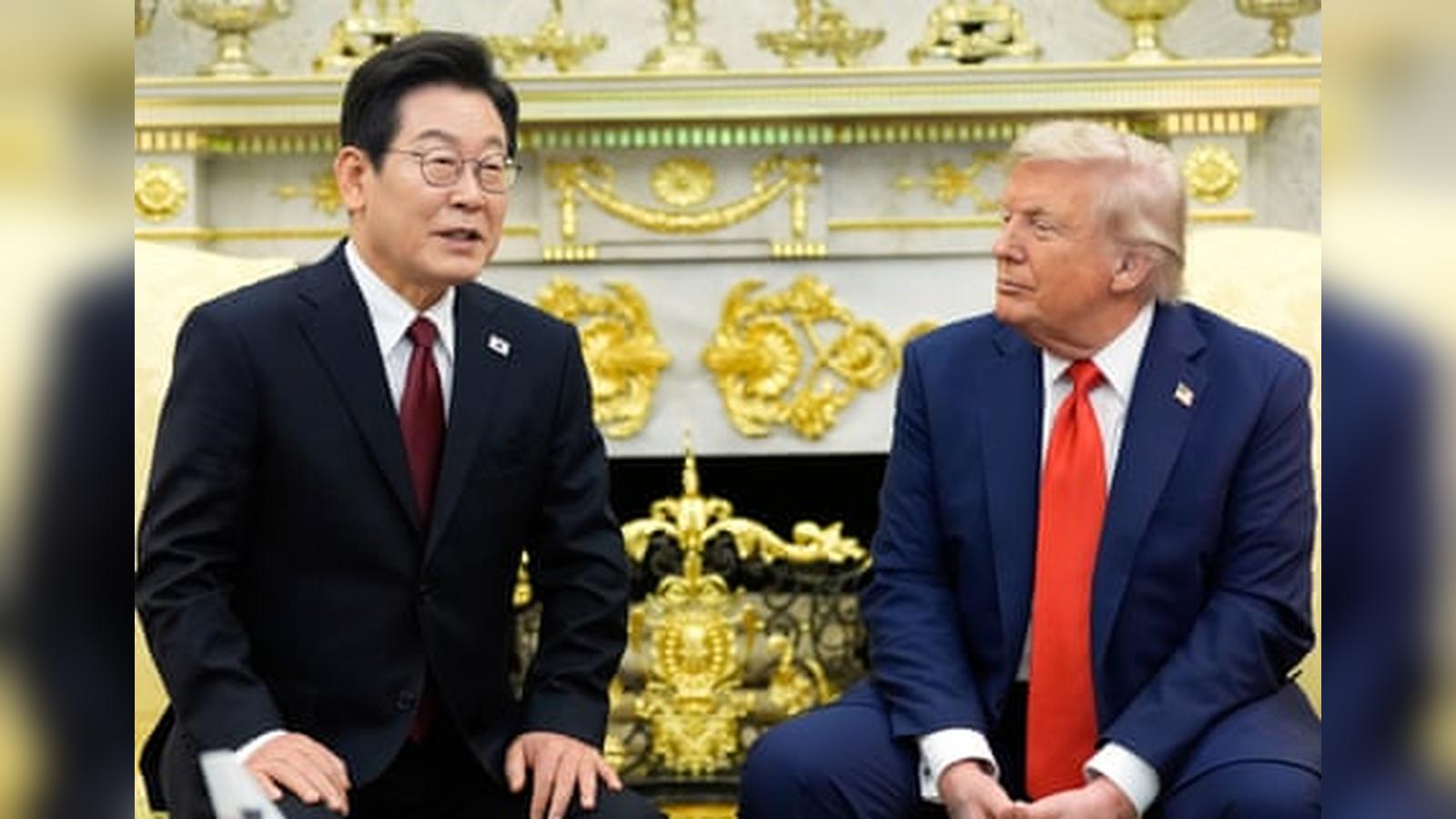
South Korea’s Ministry of National Defense announced that the annual joint military exercises with the United States will conclude six days earlier than originally scheduled, following a direct request from Washington. The adjustments to the period and scale of the 2026 Ulchi Freedom Shield exercises—now set to end on August 21 instead of August 27—follow public statements by US President Donald Trump linking the curtailment to diplomatic maneuvers with North Korea and Seoul’s refusal to assist in US military operations concerning Iran.
Speaking before a parliamentary hearing, South Korean Foreign Minister Cho Hyun confirmed that neither South Korean officials nor key Pentagon personnel had received advance notice of Trump’s decision, which was initially declared via social media hours before field maneuvers were set to launch. The sudden adjustment has sent tremors through South Korea’s political landscape, challenging established security assumptions and exacerbating worries over the stability of the Washington-Seoul bilateral defense treaty.
This report draws on information published by BBC and The Guardian.
Transactional Foreign Policy and the Iran Catalyst
The explicit linkage between joint military preparedness and unrelated international crises marks a pronounced shift in Washington’s execution of its alliance commitments. In recent Oval Office remarks, Trump cited South Korean President Lee Jae Myung’s refusal to provide military assistance for American operations against Iran as a primary catalyst for scaling back the exercises. Pointing to the roughly 28,500 US troops stationed in South Korea—a figure Trump publicly inflated to 39,000—the US President characterized Seoul’s lack of support in the Middle East as uncooperative given America’s protection on the Korean Peninsula.
Simultaneously, Trump signaled a desire to revive direct summitry with North Korean leader Kim Jong Un, framing the reduction of war games as a goodwill gesture aimed at lowering regional tensions. While previous administrations viewed joint exercises as indispensable operational components for maintaining readiness against Pyongang’s nuclear capability, Washington now positions field training as a flexible political counter for bilateral negotiations.
Domestic Political Realignment in Seoul
The unilateral directive from Washington has inverted traditional political dynamics within South Korea. The reduction of combined war games has historically been a key policy demand among South Korean progressives, who view large-scale maneuvers as provocative obstacles to inter-Korean reconciliation. President Lee Jae Myung, who took office advocating for reduced military friction and proactive peace overtures toward Pyongyang, previously promised to seek reductions in joint exercises to facilitate dialogue.
However, the manner and rationale of Trump’s announcement have created significant discomfort across the political spectrum:
- Conservative Opposition: The conservative People Power Party condemned the curtailment as a “security disaster” and raised the spectre of “Korea passing”—a term describing scenarios where Seoul is bypassed on matters critical to national survival. Mainstream conservative outlets, such as the Chosun Ilbo, attributed the setback directly to the Lee administration’s foreign policy.
- Progressive Response: Progressive publications like Hankyoreh expressed dismay over Washington’s unilateral delivery via social media while stopping short of criticizing the policy’s underlying substance. Other left-leaning commentators noted that reduced exercise scale could open diplomatic space, provided basic deterrence remains intact.
Wartime Control and the Nuclear Deterrent Debate
The episode has reinvigorated debate regarding South Korea’s strategic autonomy. In the wake of the exercise reduction, President Lee reiterated calls to accelerate the transfer of wartime operational control (OPCON) from the United States to South Korea, alongside expanding domestic defense initiatives such as the national nuclear-powered submarine program. For decades, command over combined forces during active conflict has rested with an American commander, a structure unique among major US allies.
Moreover, strategic analysts emphasize that repeated displays of transactional decision-making by Washington are accelerating public support for an independent South Korean nuclear option. Academic surveys consistently show that over 70% of South Koreans favor developing sovereign nuclear capabilities rather than relying exclusively on the US nuclear umbrella. As international relations experts at Sogang University noted, American policies designed to reduce overseas military commitments may paradoxically compel allies to pursue self-reliant nuclear proliferation to guarantee national security.
Regional Stakes and Inter-Korean Realities
The curtailment arrives against a backdrop of shifting geopolitical alliances in East Asia. Although Pyongyang officially condemned the 2026 Ulchi Freedom Shield drills as a “rehearsal for an aggressive war” prior to the announced cuts, North Korean leader Kim Jong Un has steadily deepened military and economic cooperation with Moscow and Beijing. Analysts suggest that while Pyongyang welcomes evidence of friction between Washington and Seoul, it may show less urgency for bilateral talks with the US than during previous diplomatic rounds due to its bolstered ties with Russia and China.
As South Korean and American commanders rework field exercises to meet the August 21 deadline, defense officials in Seoul face the dual challenge of preserving defensive readiness while navigating a fundamentally transformed bilateral relationship. The long-term durability of the alliance now depends on whether both nations can align transactional political demands with shared strategic objectives.