


A Shift in Institutional Direction
On November 5, 2026, the Metropolitan Museum of Art’s Costume Institute announced that its upcoming 2027 spring exhibition and the accompanying Met Gala will be titled “extraORDINARY: Fashion and the Poetics of the Everyday.” This announcement marks a definitive shift for the museum, occurring just two months after it abandoned plans to honor British designer John Galliano. The decision to cancel the original retrospective in August 2026 followed intense public and donor backlash regarding Galliano’s history of racist and antisemitic remarks, as well as the problematic timing of the planned showcase, which would have coincided with Holocaust Remembrance Day on May 3, 2027.
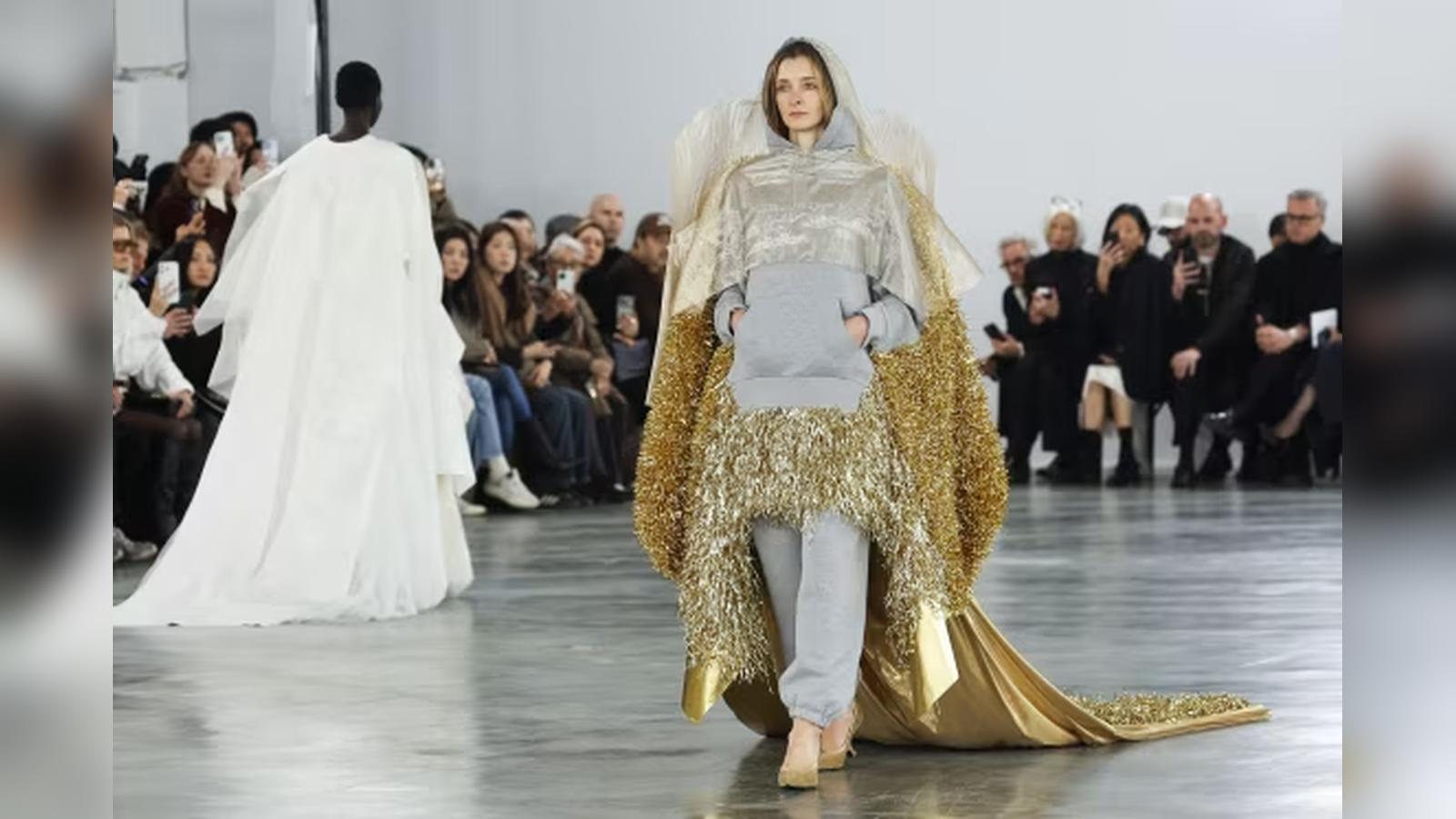
The new exhibition, curated by Andrew Bolton, Stephanie Kramer, and Emily Mushaben, seeks to elevate the mundane into the realm of high art. According to a press release from the NBC News report, the exhibit will explore the transformative nature of fashion by examining how everyday items—such as T-shirts, jeans, and puffer coats—are reimagined through craft and material experimentation. The museum intends to highlight how designers utilize disposable materials like paper, plastic, and metal to create wearable art, refocusing the Costume Institute’s mission on sustainability and the conceptual possibilities inherent in ordinary objects.
The Crisis of the Galliano Retrospective
The path to the “extraORDINARY” theme was necessitated by a significant institutional crisis. In late July 2026, the museum had initially announced a major exhibition celebrating John Galliano’s four-decade career, spanning his influential work at Givenchy, Christian Dior, and Maison Margiela. However, the announcement triggered immediate and widespread criticism. Galliano, who was fired from Dior in 2011 following a series of recorded racist and antisemitic rants and subsequently convicted of antisemitic abuse in France, remained a divisive figure. Despite his professional comeback at Maison Margiela in 2014, the prospect of the Met—the world’s most prestigious fashion institution—honoring him sparked fears of donor withdrawal and significant public protests.
As reported by Business Insider, the museum’s leadership, including director Max Hollein and longtime Met Gala chair Anna Wintour, initially attempted to frame the exhibition as a nuanced look at both Galliano’s work and the consequences of his conduct. However, as the controversy grew, Galliano himself requested that the exhibition not move forward. In an August 2026 statement, he expressed regret for the “pain caused by my words in the past, particularly the hurt I caused to the Jewish and Asian communities.” Wintour, a longtime supporter of the designer, publicly backed the cancellation, calling his decision “courageous.”
Curating Under Pressure
Andrew Bolton, head curator at the Costume Institute, admitted that the transition to the new theme was executed under extreme time constraints. “I had no Plan B, to be honest,” Bolton told the Associated Press, noting that there was no secondary exhibition ready for implementation. Bolton explained that the inspiration for “extraORDINARY” emerged from his work on the previous exhibition regarding the body and clothing. He began reflecting on the deep personal meaning individuals attach to worn-out items, such as a favorite pair of jeans or a well-loved T-shirt, which eventually led to the conceptualization of the current theme.
The pivot represents a strategic effort by the Met to move away from individual retrospectives that may invite scrutiny of personal conduct, favoring instead thematic explorations that emphasize material culture and craftsmanship. By focusing on the “poetics of the everyday,” the museum effectively redirects the conversation toward broader societal themes of sustainability and resourcefulness, providing a safer, albeit still intellectually rigorous, foundation for the 2027 gala season.