


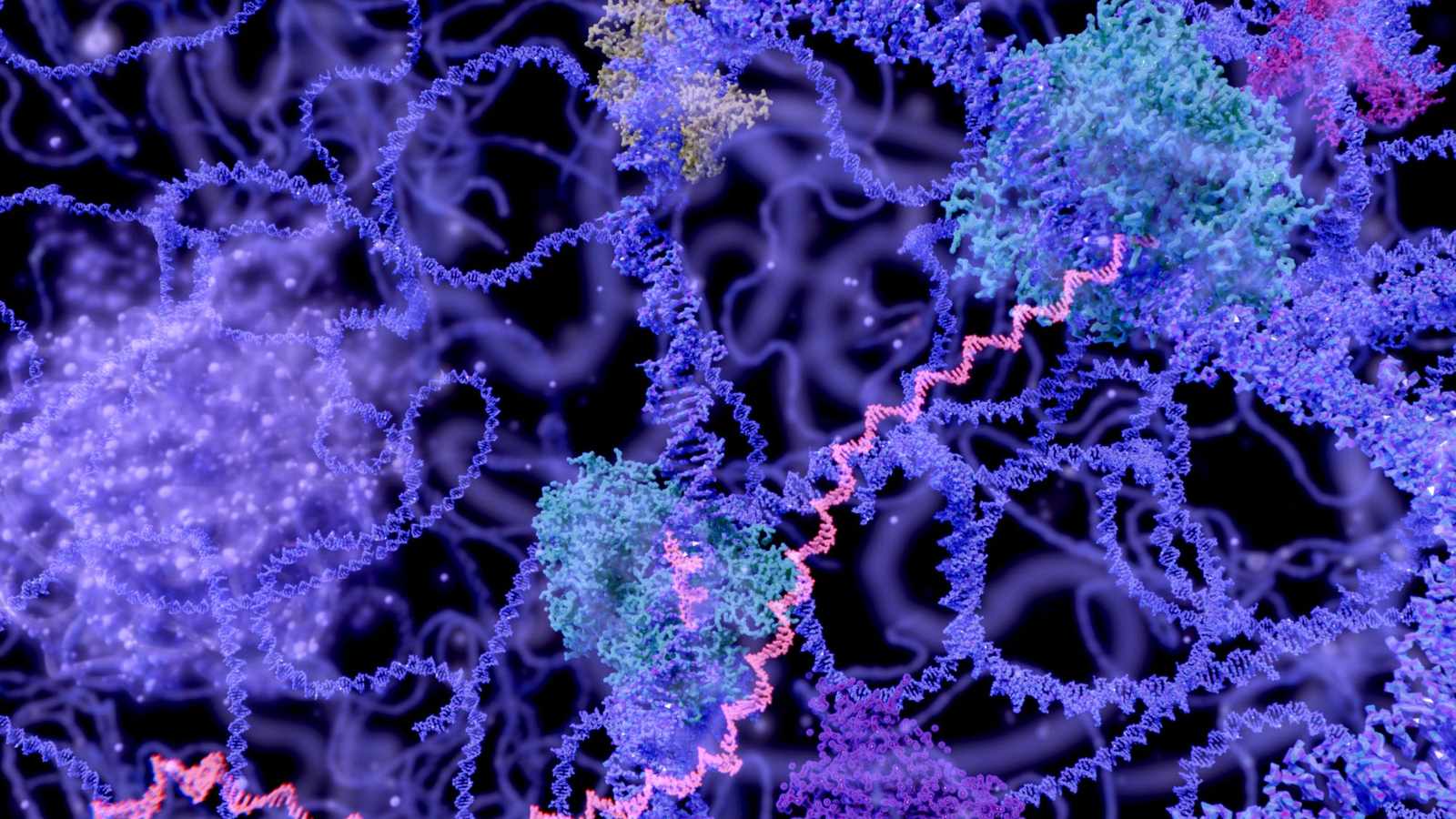
In a major milestone for therapeutic oncology, biotechnology pioneer Moderna and pharmaceutical giant Merck announced that their Phase 3 clinical trial evaluating an investigational personalized mRNA cancer vaccine achieved its primary endpoint. The trial, designated INTerpath-001, demonstrated that combining Moderna’s experimental autogene therapy intismeran (mRNA-4157/V940) with Merck’s established immunotherapy Keytruda (pembrolizumab) significantly prolonged recurrence-free survival (RFS) in patients with high-risk stage 2 to stage 4 cutaneous melanoma following surgical resection.
The positive readout from the prespecified interim analysis arrived earlier than anticipated by Wall Street equity analysts, triggering a dramatic market reaction. Moderna’s shares surged by over 135% in early trading to reach approximately $120 per share, while Merck’s stock rose by more than 9%. The joint partners confirmed plans to initiate discussions with the U.S. Food and Drug Administration (FDA) and global regulatory agencies to support commercial approval applications.
Phase 3 Clinical Outcomes and Trial Architecture
The randomized Phase 3 INTerpath-001 study enrolled 1,137 patients with stage 2, stage 3, or stage 4 melanoma whose primary tumors had been surgically removed. Participants were randomized in a 2:1 ratio to receive either the combination regimen of intismeran and Keytruda or single-agent Keytruda for approximately one year. Keytruda currently serves as the standard-of-care adjuvant treatment in this patient population.
In addition to meeting the primary endpoint of recurrence-free survival, the combination therapy demonstrated clinically meaningful improvements in distant metastasis-free survival (DMFS), reducing the rate at which cancer metastasized to remote organs or led to patient mortality. Detailed statistical datasets were held back for presentation at an upcoming medical conference, but the joint interim analysis was strong enough to hit pre-established efficacy boundaries.
The Phase 3 success builds upon earlier Phase 2 data presented at the American Society of Clinical Oncology (ASCO) conference. In that earlier study, adding intismeran to Keytruda reduced the risk of recurrence or death by 49% and lowered the risk of distant metastasis or death by 59% compared to Keytruda alone. Five-year follow-up data from the Phase 2 trial showed no grade 4 or grade 5 treatment-related adverse events, with overall safety profiles in Phase 3 remaining consistent with earlier findings.
Precision Immunology: How Intismeran and Keytruda Work
Intismeran represents a novel class of autogene individualised neoantigen therapies. Rather than using a uniform formulation, the vaccine is custom-tailored to the specific genetic architecture of an individual patient’s tumor. Surgeons harvest a tumor sample, which undergoes genomic sequencing to identify up to 34 patient-specific neoantigens—mutated protein signatures present on cancer cells but absent in healthy tissues.
Moderna utilizes its proprietary messenger RNA (mRNA) platform to synthesize a customized genetic sequence encoding these neoantigens. Once manufactured and administered via injection, the mRNA instructs the patient’s dendritic and immune cells to translate these unique genetic sequences, training cytotoxic T-cells to identify, target, and destroy residual cancer cells bearing those specific mutational signatures. The mRNA manufacturing process requires only a few weeks, making personalized production commercially viable.
Keytruda plays a complementary, synergistic role in this combination. As a monoclonal antibody checkpoint inhibitor targeting the PD-1 receptor, Keytruda disables the mechanism by which tumor cells evade immune detection. While Keytruda unmasks the cancer cells, intismeran primes and directs the immune system’s T-cells toward the tumor’s precise mutational targets. Moderna Chief Executive Officer Stephane Bancel noted that this combination essentially re-educates the immune system to recognize tumor cells that had previously slipped past immune surveillance.
Regulatory Trajectory and Pipeline Expansion
The compelling Phase 3 interim readout significantly alters the regulatory landscape for Moderna and Merck. In 2024, the companies held preliminary discussions with the FDA regarding potential accelerated approval based on Phase 2 endpoints, but regulatory authorities recommended awaiting confirmatory Phase 3 data. With the INTerpath-001 trial now reaching its primary endpoint alongside long-term Phase 2 safety data, the companies possess a robust dataset for formal filing.
Beyond cutaneous melanoma, Moderna and Merck are actively investigating intismeran across nine ongoing clinical trials targeting multiple solid tumor types. Advanced studies are evaluating the vaccine combination in non-small cell lung cancer (NSCLC) at both stage 1 and stage 3, as well as renal cell carcinoma (RCC), bladder cancer, and pancreatic cancer. Bancel highlighted that from a mechanistic perspective, the underlying biological rationale should apply across various solid tumors.
For early-stage indications, such as stage 1 lung cancer where standard treatment is currently restricted to surgery and watchful waiting, Moderna is exploring whether intismeran could eventually be evaluated as a monotherapy or administered in outpatient settings to prevent recurrence. Interim Phase 2 results for adjuvant renal cell carcinoma are expected by the end of the year and could potentially serve as a registrational trial.
Financial Turnaround and Commercial Implications
The positive clinical results arrive at a critical juncture for Moderna. Following the historic revenues generated by its COVID-19 vaccine (Spikevax), the company experienced declining post-pandemic product demand, leading to share price depreciation and a 10% workforce reduction in 2025 that affected between 500 and 800 employees globally. Financial pressures were further compounded by canceled government pandemic flu contracts, although the FDA recently approved Moderna’s mRNA flu vaccine in August after an initial review delay.
Wall Street equity analysts view the Phase 3 melanoma success as validation of Moderna’s broader mRNA platform outside infectious diseases. Financial analysts at William Blair upgraded Moderna stock from Market Perform to Outperform, pointing out that the cancer vaccine provides clear long-term visibility for commercial revenue diversification. RBC Capital Markets similarly noted that the early interim success unlocks substantial upside potential across oncology.
Peak sales projections for intismeran run into billions of dollars annually. Industry analysts note that while initial revenue will depend on uptake in post-surgical melanoma, the long-term commercial valuation depends heavily on trial readouts in larger cancer indications, particularly in solid tumors where traditional checkpoint inhibitors have previously shown limited efficacy.