


Market Volatility and Regulatory Pressures
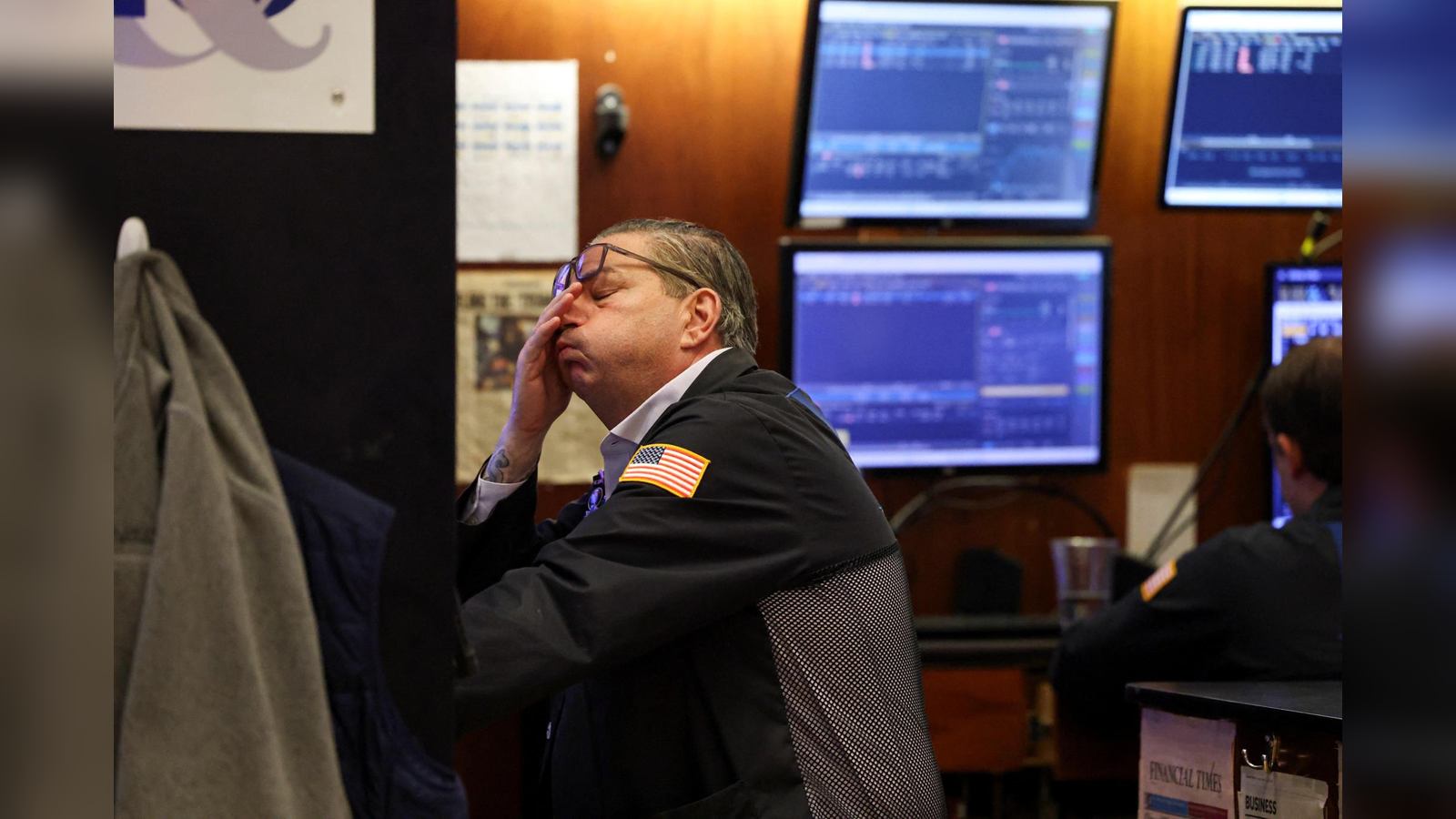
U.S. stocks experienced a volatile trading session on Wednesday, November 25, 2026, as investors grappled with the convergence of artificial intelligence sector uncertainty, the introduction of significant new federal tariffs, and persistently high inflation data. The NBC News report confirms that the early trading session saw sharp declines, with the Nasdaq 100 briefly touching bear market territory—defined as a decline of 20% or more from its recent peak—before seeing a modest recovery in sentiment by the afternoon. The S&P 500 fell as much as 3.2% in early trading, while the Nasdaq Composite recorded a decline of roughly 1.5% as the trading day progressed.
The market environment remains heavily influenced by the AI sector, where enthusiasm has cooled significantly. Nvidia, despite a brief rally earlier in the week following the return of CEO Jensen Huang, saw its shares decline for two consecutive days, falling 8.3% on Wednesday. Investors remain cautious about the long-term return on investment for massive capital expenditures in AI data centers, a concern mirrored by the poor performance of recent market entrant Anthropic, which saw its share price drop below its $83 IPO level before recovering slightly. The broader semiconductor sector, tracked by the Philadelphia semiconductor index, has experienced a decline of more than 40% since its June peak, while memory and data center hardware providers have faced losses of up to 60%.
Trade Policy and Macroeconomic Headwinds
Market pressure was further intensified on Wednesday by the Trump administration’s announcement of a new wave of tariffs targeting key trading partners, including the European Union, China, Japan, and India. Analysts at ING suggest that this escalation underscores a shift toward permanent protectionist policies that may be difficult to reverse, fueling concerns regarding renewed global trade tensions and upward pressure on consumer prices. The Chinese Commerce Ministry criticized the move as “political manipulation,” further complicating the international trade outlook.
Compounding these challenges is the latest Personal Consumption Expenditures (PCE) report, which shows inflation rising to 3.8% in October, up from 3.6% in September. Core inflation, which strips out volatile food and energy costs, climbed to 3.3%. These figures have bolstered expectations that the Federal Reserve may implement a more aggressive interest rate hike at its December 9 meeting. Federal Reserve Governor Christopher Waller has indicated that the central bank may need to consider a 0.50% increase to combat the spread of inflationary pressures, a move that would further tighten borrowing conditions for both technology giants reliant on credit for infrastructure and everyday consumers facing higher mortgage and credit card rates. With U.S. markets set for a half-day session following the Thanksgiving holiday, investors are currently wary of maintaining large, risky positions, contributing to the broader atmosphere of caution as the year-end approaches.
Reporting source: nbcnews.com.