


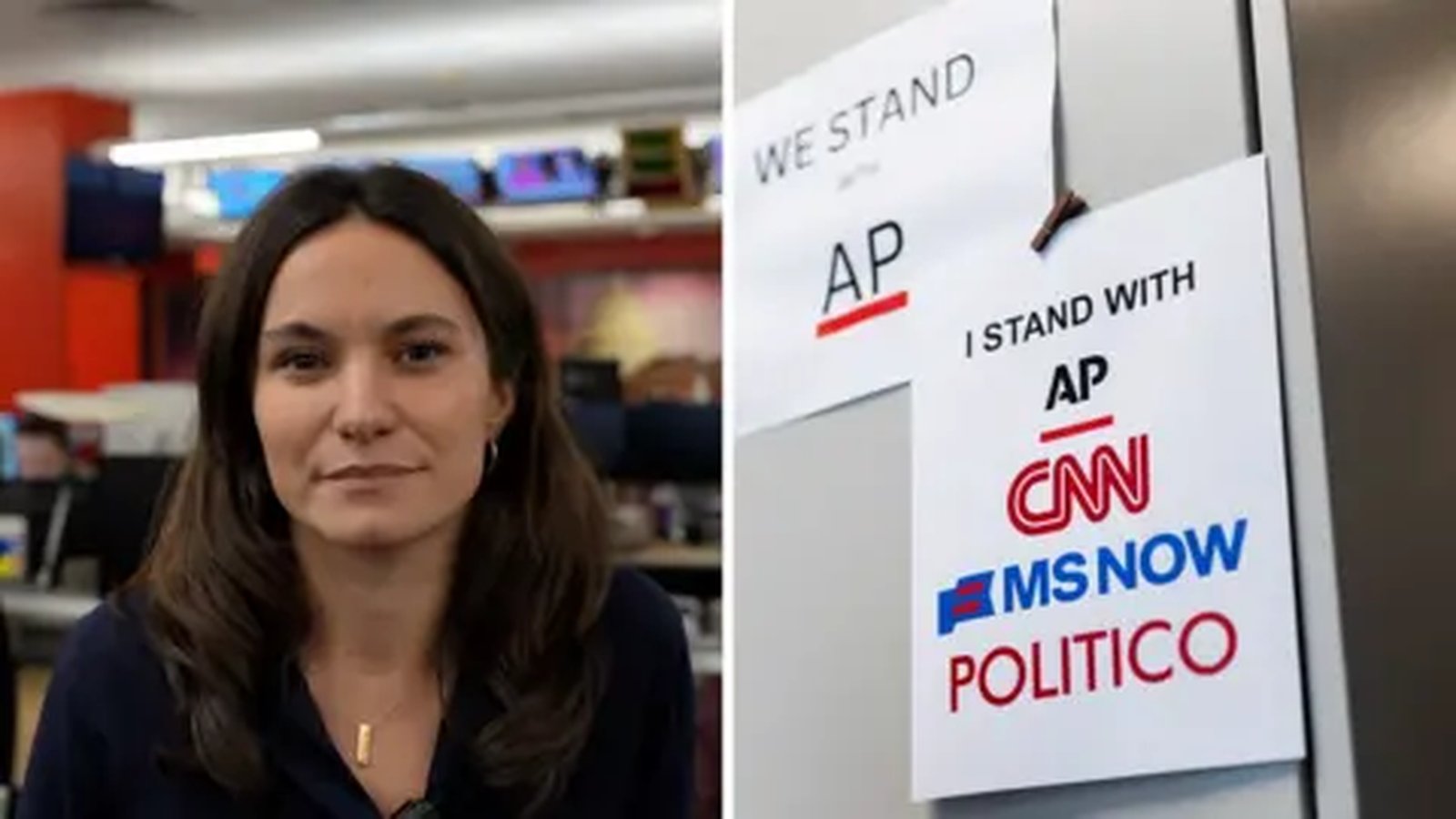
Court Intervention Ends Week-Long Ban
Journalists from CNN, MS NOW, and Politico returned to the White House grounds on Thursday following a temporary restraining order issued by U.S. District Judge Timothy Kelly. The ruling mandates that the administration restore the news organizations’ hard-pass credentials for 14 days while a legal challenge against the ban proceeds.
The underlying reporting is available from BBC.
The restoration of access followed a period of confusion earlier Thursday, during which reporters from the three outlets were initially denied entry despite the court order. Judge Kelly subsequently ordered the administration to provide a written explanation for the continued exclusion. White House press operations director Micah Stopperich later filed a document confirming that the Secret Service had reactivated the journalists’ passes by 9 a.m. that morning.
Despite the restoration of general access, tensions remained high. CNN and MS NOW reported that their journalists were still turned away from the state dinner arrivals featuring Chinese President Xi Jinping, despite having followed standard RSVP procedures for the open-press event.
Legal Stakes and Constitutional Arguments
The dispute centers on the administration’s attempt to revoke press credentials, which President Donald Trump initially announced on Truth Social, citing the outlets’ “constant ‘reporting’ FAKE NEWS.” In his ruling, Judge Kelly noted that the plaintiffs are likely to succeed in their lawsuit, stating that the revocation of credentials without notice or an opportunity to be heard likely violates constitutional due process rights.
The White House had defended the ban by citing “national security concerns,” alleging that the outlets published sensitive information, including reports on munitions stockpiles and renovation funding. However, the court rejected this argument, noting that the administration provided little evidence to support it and that the cited articles were of a routine nature. The Reporters Committee for Freedom of the Press and 49 other media organizations filed a brief in support of the outlets, arguing that the ban is “viewpoint discriminatory” and inconsistent with First Amendment protections.
President Trump has maintained that the policy is a response to “cumulative stories” he deems negative, stating, “I don’t want them in my office.” The media organizations contend the policy is a form of retaliation intended to influence their editorial independence.