

Quick Read
- ‘6-7’—pronounced ‘six-seven’—is Dictionary.com’s 2025 Word of the Year, chosen for its viral spread among Gen Alpha.
- The phrase started with Skrilla’s 2024 song and exploded on TikTok, especially in NBA and basketball meme culture.
- Its meaning is intentionally vague, used as playful, nonsensical slang expressing a vibe or inside joke.
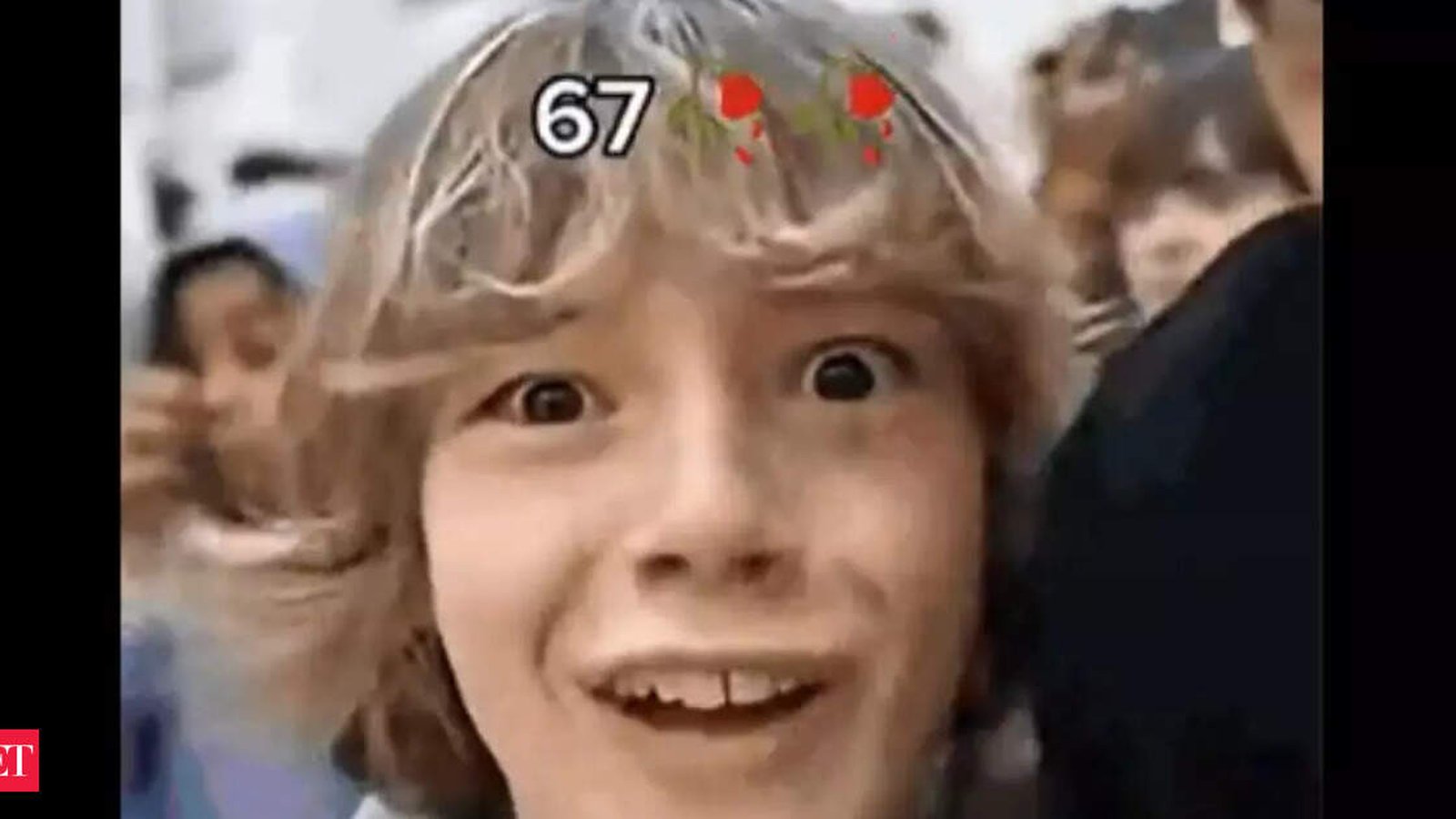
- The meme grew through social media creators, notably The 67 Kid and Taylen Kinney, evolving into a flexible interjection.
- ‘67’ reflects how youth-driven online culture rapidly reshapes language and humor.
The Rise of ‘6-7’: How a Nonsensical Phrase Captured a Generation
Every year, new words and phrases bubble up from the depths of internet culture, but few have taken hold quite like “67.” In 2025, Dictionary.com made headlines by naming “67”—pronounced “six-seven”—its Word of the Year. If you’re over 25, you might be scratching your head. What does it mean, and why are teenagers chanting it everywhere from TikTok to basketball courts?
It’s a story rooted in digital absurdity. Unlike other viral words, “67” has no fixed definition. At most, it loosely means “so-so” or “maybe this, maybe that”—but that’s hardly the point. As Dictionary.com explains, “67” is classic ‘brainrot slang’: purposefully nonsensical, joyfully absurd, and all about being in on the joke. The fun, it seems, is in not taking it seriously at all.
From Rap Lyrics to TikTok: Tracing the Meme’s Journey
The journey of “67” began in 2024 with rapper Skrilla’s track “Doot Doot (6 7).” The song’s hook—“six-seven”—quickly caught on with TikTok editors and meme creators. Soon, the sound was paired with clips of NBA player LaMelo Ball, who stands exactly 6 feet, 7 inches tall. Ball himself joined in, telling ESPN that “six-seven” had become his “new nickname,” with kids yelling it at games and in school hallways.
The meme exploded when social media personality Cam Wilder uploaded a video from a basketball game. In the clip, a boy—soon dubbed “The 67 Kid”—chanted “six-seven” into the camera, punctuating the moment with a signature hand gesture: both palms up, moving alternately. That playful energy became the visual hallmark of the meme, as reported by Forbes and ABC News.
It wasn’t long before the phrase slipped into everyday life. Dance instructors counted out “six-seven,” restaurant crowds cheered when order number 67 was called, and the sound appeared in countless TikTok edits. The meme’s meaning became as flexible as its usage: sometimes confidence, sometimes rhythm, and sometimes pure nonsense. It was, at its core, a shared inside joke for Gen Alpha and Gen Z.
Why ‘67’ Resonates: The Joy of Absurdity and Connection
So why did “67” go viral, and what keeps it alive? According to Dictionary.com’s team, led by lexicographer Steve Johnson, Ph.D., it’s more than a meme—it’s a “linguistic time capsule.” The phrase appeared online six times more frequently in October 2025 than throughout all of 2024, a testament to how quickly language can evolve in the digital age.
Johnson explains: “It’s part inside joke, part social signal, and part performance. When people say it, they’re not just repeating a meme; they’re shouting a feeling.” Unlike traditional Words of the Year, which are often tied to politics or global events, “67” is an interjection—a burst of energy that connects people long before anyone agrees on what it actually means.
This vibe-driven language reflects the spirit of Gen Alpha, who thrive on rapid, remixable trends. The meme’s absurdity is its strength. Its shapelessness allows it to be whatever users want in the moment, making it the perfect vessel for playful expression in an unpredictable online world.
Who Started the ‘67’ Meme? A Collective Creation
Unlike other viral phrases, no single person owns “67.” Skrilla’s music set the stage, but basketball fans, TikTok creators, and viral personalities like Taylen “TK” Kinney helped cement its rhythm and tone. Kinney’s casual “six, seven” ratings in clips gave the phrase a cadence, while “The 67 Kid” made it visually iconic.
Online, the meme mutated further. Horror-style edits labeled “SCP-067” appeared alongside pure comedy, proving “67” could swing from funny to eerie without losing its cultural pull. The collaborative nature of its spread is key: “67” is a meme by the people, for the people, evolving in real time as new users join the trend.
What Makes ‘67’ Different?
Past Words of the Year—think “pandemic” or “climate”—have been rooted in major events or social movements. “67” breaks the mold. It’s not tied to any crisis, ideology, or specific cultural moment. Instead, it’s a vibe, a feeling, a bit of spontaneous fun that reflects the way young people connect in 2025.
Dictionary.com’s announcement called it “a snapshot of how young people communicate today, through memes, music, and moments that defy explanation yet feel instantly recognizable.” The word’s viral energy outpaced other finalists, including “agnetic,” “aura farming,” and “Gen Z stare.” None captured the community-driven, chaotic joy of “67.”
The Fast-Moving World of Internet Language
The story of “67” is also the story of how language now evolves at the speed of a viral video. As Gen Alpha and Gen Z drive trends on platforms like TikTok, words and memes can rocket around the globe in days. The boundaries between joke, meme, and meaningful expression have blurred—sometimes, nonsense is the point.
Teachers and parents have started hearing “six-seven” pop up in classrooms and conversations, often with little idea of what it means. The phrase’s charm lies in that ambiguity. It’s a secret handshake, a wink between those “in the know,” and proof that the rules of language are constantly being rewritten by its youngest speakers.
FAQs: The Many Faces of ‘67’
- What does “67” mean in slang? It’s a playful, nonsensical phrase, usually meaning “so-so” or simply expressing a vibe. As Dictionary.com puts it, “67” is about being in on the absurdity.
- Where did “67” come from? The phrase began with Skrilla’s 2024 song “Doot Doot (6 7)” and spread rapidly through TikTok and basketball memes.
- Why is it pronounced “six-seven” and not “sixty-seven”? The pronunciation is key to the meme’s identity—“six-seven” is the version that caught on and carries the cultural meaning.
The meteoric rise of “67” is more than a meme; it’s a testament to the creativity and spontaneity of internet-driven language. In an era where meaning is often fluid and humor reigns supreme, “67” unites a generation not by what it means, but by how it feels—chaotic, playful, and unmistakably theirs.