


Diplomatic Recognition Amid Strategic Tension
Ukrainian President Volodymyr Zelenskyy awarded Elon Musk the Order of Freedom on Wednesday, August 26, 2026, citing the SpaceX founder’s “outstanding personal merits” in protecting lives and strengthening U.S.-Ukraine ties. The honor acknowledges the pivotal role of Starlink, which has served as a primary communications lifeline for Ukrainian military and civilian sectors since the 2022 full-scale invasion.
Despite the high-level recognition, the partnership remains marked by geopolitical complexity. While Starlink has been instrumental in Ukraine’s drone operations and logistics, Musk has restricted the satellite network’s use over Russian territory. President Zelenskyy confirmed he has sought U.S. assistance to persuade Musk to lift these restrictions, which would enable Ukraine to extend its long-range drone strikes. Musk has reportedly characterized such an expansion as a significant risk for escalation.
A Technological Pivot in Florida
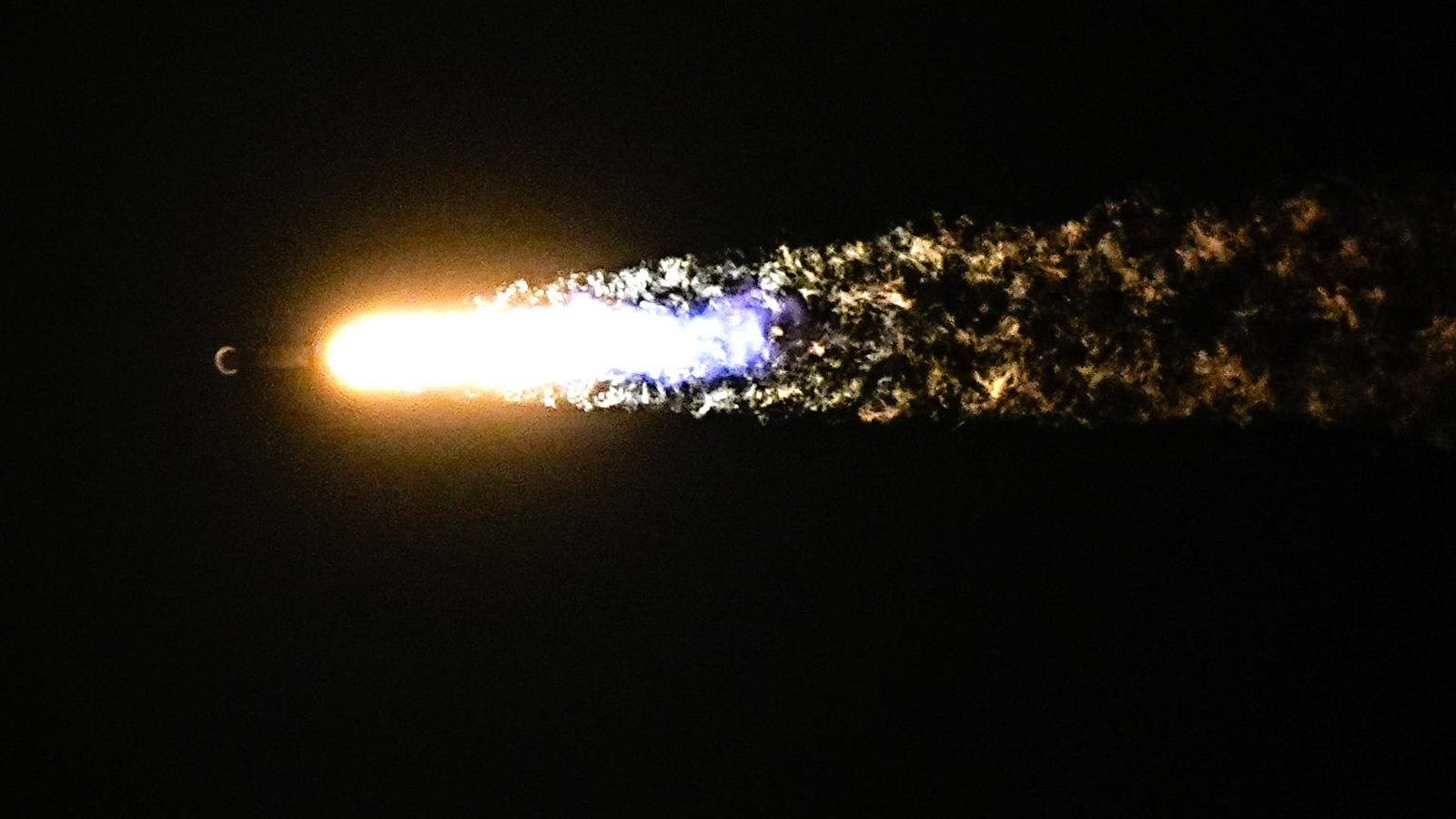
Simultaneous with the diplomatic developments, SpaceX has officially concluded its reliance on the Falcon 9 rocket for Starlink missions from Florida. On August 25, 2026, the company conducted its final Falcon 9 Starlink launch from Cape Canaveral Space Force Station. SpaceX Vice President of Launch Kiko Dontchev confirmed that future Starlink missions originating from the East Coast will utilize the heavy-lift Starship vehicle.
The transition reflects a broader strategic shift at SpaceX. As the company continues to develop the 400-foot-tall Starship, Musk intends to eventually phase out the Falcon 9, which has been the backbone of the company’s record-breaking launch cadence. While SpaceX continues to build Starship launch infrastructure at Kennedy Space Center and Cape Canaveral, the system remains in its testing phase. In the interim, Falcon 9 will continue to launch Starlink missions from Vandenberg Space Force Base in California.
The Future of the Partnership
The intersection of SpaceX’s technological evolution and its role in the war effort creates a unique dependency. With Starlink deeply integrated into Ukrainian battlefield coordination, Musk’s private decisions carry direct implications for the country’s military capabilities. The recent departure of former Defense Minister Mykhailo Fedorov—who previously served as the primary government liaison with Musk—underscores the volatility of this relationship. As Kyiv navigates both the technical transition to newer launch vehicles and the political necessity of maintaining a stable partnership with SpaceX, the limits of private-sector influence in state-level conflict remain a defining challenge.