


New Evidence in 9/11 Litigation
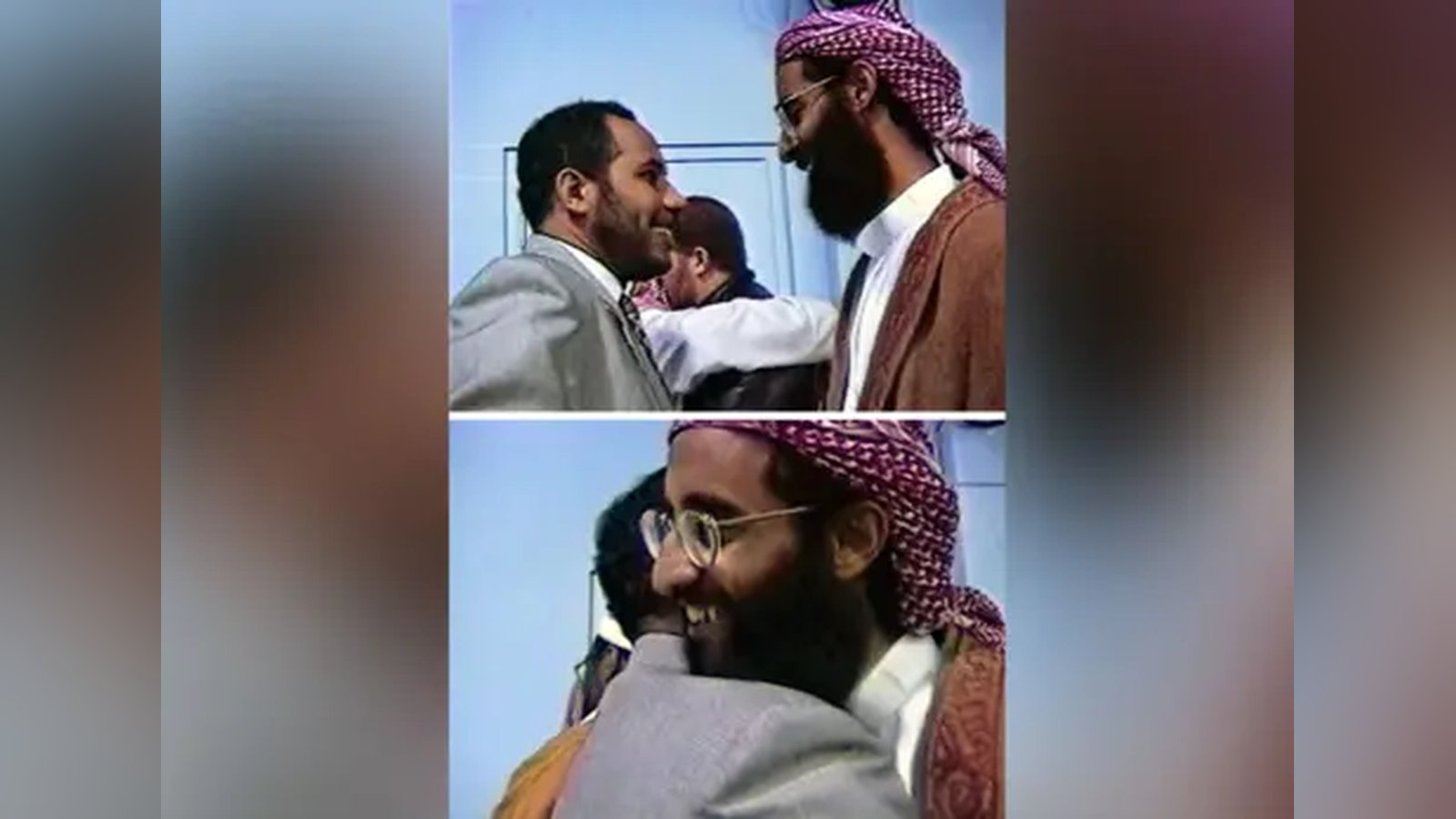
Previously unseen video footage and documents have emerged in a $1 trillion lawsuit brought by families of 9/11 victims, casting new doubt on the long-standing denials of Omar al-Bayoumi, a key figure in the investigation into the September 11 attacks. According to an investigation by BBC News, the evidence reveals extensive links between al-Bayoumi, Saudi government officials, and Anwar al-Awlaki, who would later become a leader of al-Qaeda in the Arabian Peninsula.
The footage, which was in the possession of the FBI within days of the 2001 attacks, shows al-Bayoumi participating in paintball sessions with al-Awlaki and an official from the Saudi Ministry of Islamic Affairs near San Diego. These clips, which were only recently placed on the public docket on September 4, 2026, contradict al-Bayoumi’s 2021 court testimony in which he denied meeting al-Awlaki.
The Birmingham Evidence Cache
Following the 9/11 attacks, al-Bayoumi, who lived in San Diego before moving to the UK, was arrested by the Metropolitan Police in Birmingham on September 21, 2001. A search of his properties yielded thousands of documents and at least 80 videotapes, which were turned over to the FBI. Among these items was a notebook page containing a handwritten diagram of a plane with mathematical calculations regarding flight descent trajectories.
Jodi Westbrook Flowers, a lawyer representing the 9/11 families, described the diagram as a “smoking gun” to the BBC, noting that the federal judge overseeing the case previously ruled that the document “connects Bayoumi with knowledge of the 9/11 Attacks.” Despite its significance, the diagram was not shared with the British detectives interrogating al-Bayoumi at Paddington Green Police Station, nor was it presented to the 9/11 Commission.
Institutional Obstacles and Missed Prosecution
Internal documents and interviews with former FBI agents suggest a pattern of missed opportunities and bureaucratic friction. Sources indicated that the San Diego and Los Angeles FBI offices were restricted from interviewing al-Bayoumi’s Saudi government contacts. Furthermore, a US Department of Justice official informed the BBC that he was never presented with a proposal to prosecute al-Bayoumi, despite the existence of evidence that the official noted was sufficient for convictions in other terrorism cases.
Al-Bayoumi was released by UK authorities on September 28, 2001, after US officials indicated they would not seek extradition due to insufficient evidence. Saudi Arabia has consistently denied any involvement in or prior knowledge of the attacks, and both the FBI and al-Bayoumi declined to comment on the latest findings.